The Comprehensive Guide to Different Grades of Polystyrene Granules: GPPS, HIPS, and EPS
2026-01-27
Top 5 Benefits of Using Recycled GPPS Granules in Plastic Packaging Production
2026-02-07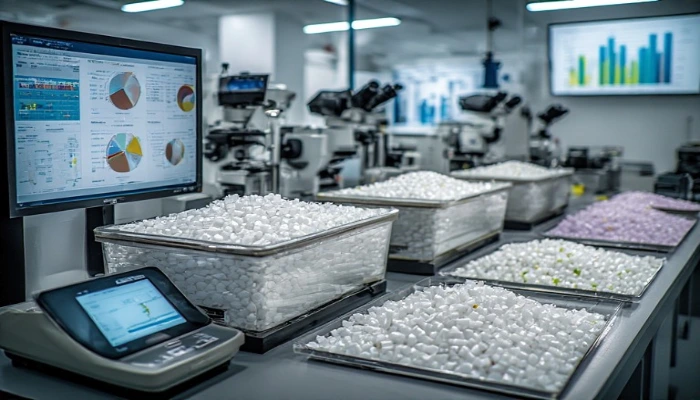
Key Quality Standards for Selecting High-Performance Polystyrene Granules for Industrial Use
In today’s competitive manufacturing landscape, the quality of raw materials directly determines the performance, durability, and profitability of the final product. Among thermoplastic materials, polystyrene granules play a critical role in a wide range of industries, including packaging, construction, electronics, medical disposables, and consumer goods. Selecting the wrong grade or low-quality material can lead to production inefficiencies, inconsistent product quality, higher rejection rates, and long-term financial losses.
For manufacturers sourcing materials from regional and international markets—especially those considering polystyrene granule Iran suppliers—understanding quality standards is not optional; it is a strategic necessity. This article provides a comprehensive, industry-focused guide to the key quality standards for selecting high-performance polystyrene granules, helping industrial buyers, engineers, and procurement managers make confident, data-driven decisions.
Understanding Polystyrene Granules and Their Industrial Importance
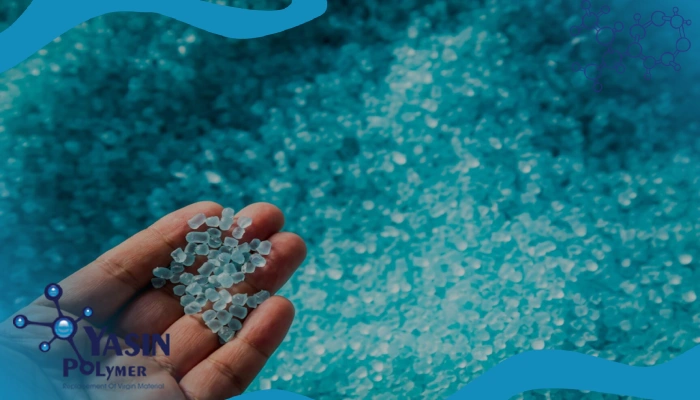
Polystyrene granules are polymerized forms of styrene monomer, processed into uniform pellets that can be melted and molded into various shapes. Their popularity comes from a unique balance of affordability, processability, transparency, rigidity, and insulation properties.
Common industrial applications include:
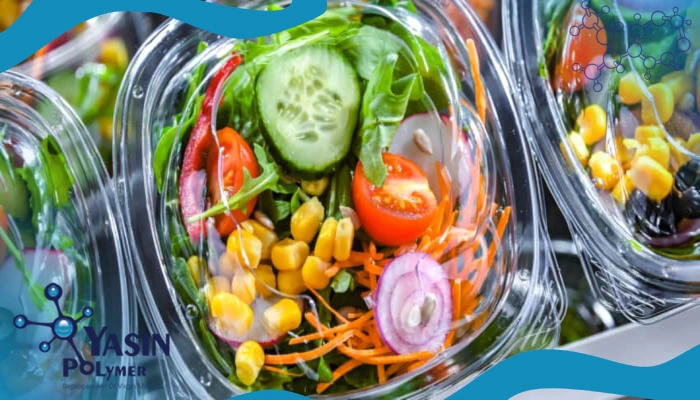
- Rigid packaging (food containers, cosmetic boxes)
- Injection-molded parts
- Disposable medical items
- Insulation panels and construction materials
- Consumer electronics housings
Different industrial requirements demand different grades of polystyrene granules, such as GPPS, Recycled GPPS Granule, and Recycled EPS Granule. Understanding how quality standards vary across these grades is essential for consistent production outcomes.

Major Types of Polystyrene Granules Used in Industry
- GPPS (General Purpose Polystyrene)
GPPS is a rigid, transparent material widely used in injection molding and extrusion applications. It offers excellent surface gloss, dimensional stability, and ease of processing, making it ideal for packaging and household products.
- Recycled GPPS Granule
Recycled GPPS granules are produced from post-industrial or post-consumer waste. When processed correctly, they can deliver acceptable performance for non-critical applications while significantly reducing raw material costs.
- Recycled EPS Granule
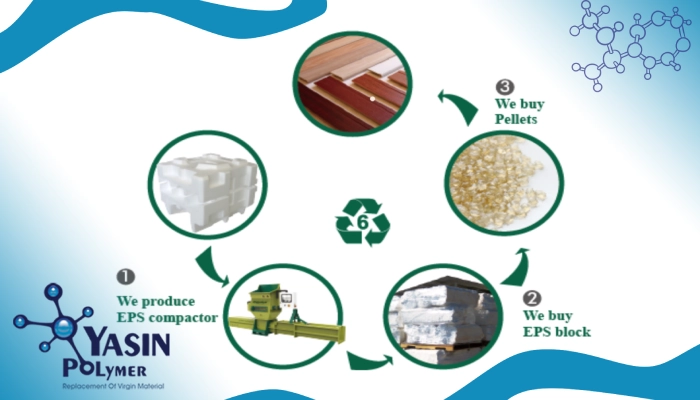
Recycled EPS granules are mainly used in insulation and lightweight structural components. Their quality depends heavily on contamination control, density consistency, and processing methods.
Each of these materials must meet specific quality benchmarks to perform reliably in industrial environments.
Key Quality Standards for High-Performance Polystyrene Granules
- Melt Flow Index (MFI) Consistency
MFI is one of the most critical indicators of processing performance. It determines how easily the material flows during molding.
- Stable MFI ensures uniform filling of molds
- Reduces cycle time variations
- Minimizes defects such as short shots or flash
For high-performance applications, MFI tolerance should remain within ±5% of the specified range.
- Mechanical Strength and Impact Resistance
Mechanical strength and impact resistance are among the most critical performance indicators for industrial-grade polystyrene granules. These properties directly influence durability, safety, and consistency in mass production. High-quality Polystyrene granule must deliver stable mechanical behavior across different batches to avoid unexpected failures in final products.
Key mechanical performance factors include:
- Tensile strength: Ability to withstand pulling and stretching forces
- Flexural modulus: Resistance to bending under mechanical load
- Impact resistance: Capacity to absorb sudden shocks without cracking
In real-world industrial applications, such as packaging trays, disposable containers, and appliance housings, weak impact resistance often leads to brittle products and high breakage rates during transportation. Low-grade materials—especially poorly processed Recycled GPPS Granule—frequently suffer from polymer chain degradation, which significantly reduces shock absorption. As a result, manufacturers must rely on standardized impact and tensile testing to ensure mechanical reliability before large-scale production.
- Thermal Stability and Heat Resistance
Thermal stability determines how reliably polystyrene granules perform during high-temperature processing stages like extrusion and injection molding. A premium-grade GPPS or Polystyrene granule should retain its structural integrity when exposed to repeated heating cycles.
High-quality thermal performance is characterized by:
- Resistance to yellowing during processing
- Stable melt flow behavior at elevated temperatures
- Minimal thermal decomposition or odor release
These characteristics help ensure smooth molding, consistent wall thickness, and clean surface finishes. Thermal degradation not only affects aesthetics but can also weaken mechanical properties. This challenge becomes more pronounced when sourcing Recycled GPPS Granule, as improper recycling or excessive heat exposure can drastically reduce heat resistance. For industrial manufacturers, evaluating thermal stability minimizes defects, prevents machine contamination, and extends mold lifespan during continuous production runs.
- Purity and Contamination Control
Purity is a non-negotiable quality standard in industrial polystyrene applications. Even small amounts of contamination can disrupt processing efficiency and compromise final product quality. Impurities such as dust, mixed polymers, or moisture often lead to inconsistent melting, weak bonding, and visible surface flaws.
High-quality suppliers implement strict contamination controls, including:
- Advanced melt filtration systems
- Multi-stage washing and drying processes
- Moisture-level monitoring before packaging
- Strict batch segregation and traceability
This is particularly important when sourcing Polystyrene granule Iran, where supplier quality levels may differ significantly. Manufacturers that prioritize purity benefit from lower scrap rates, fewer machine stoppages, and more predictable product performance. Clean raw materials directly translate into smoother processing and higher overall production efficiency.
- Optical Properties and Surface Finish
For applications where appearance matters, optical properties and surface finish are critical commercial factors. Products made from GPPS granules are often used in transparent or high-gloss applications where visual defects are immediately noticeable.
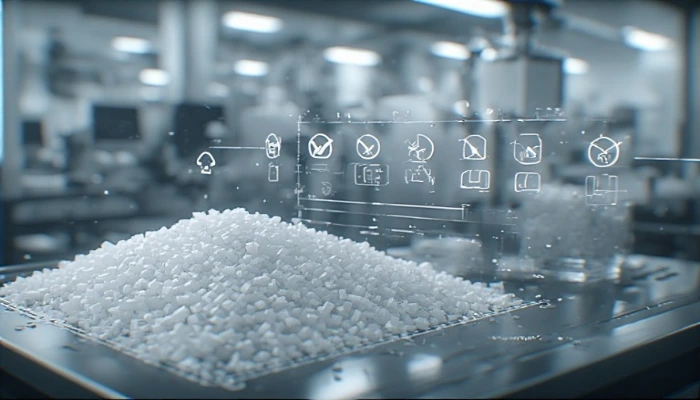
Key optical quality indicators include:
- Low haze and high transparency
- Uniform pellet color
- Absence of black specks, bubbles, or discoloration
These properties are essential for packaging, display components, and consumer-facing products. Poor-quality materials—especially low-grade Recycled EPS Granule—may introduce visual inconsistencies that reduce product value. Optical defects often indicate contamination or thermal degradation during processing. Manufacturers targeting premium markets must therefore select polystyrene granules that consistently meet strict visual and surface-finish standards to ensure both aesthetic appeal and customer satisfaction.
- Density and Dimensional Consistency
Consistent pellet size and density ensure predictable feeding and melting behavior during processing.
Benefits include:
- Reduced machine wear
- Stable extrusion pressure
- Uniform wall thickness in molded parts
Inconsistent density is a common issue in low-grade Recycled EPS Granule, making quality control essential.
Comparative Table: Virgin vs Recycled Polystyrene Granules
| Quality Factor | Virgin GPPS | Recycled GPPS Granule | Recycled EPS Granule |
| Purity Level | Very High | Medium to High | Medium |
| Cost Efficiency | Medium | High | Very High |
| Mechanical Strength | Excellent | Good | Moderate |
| Thermal Stability | Excellent | Moderate | Moderate |
| Environmental Impact | Moderate | Low | Very Low |
Quality Testing Methods for Industrial Polystyrene Granules
To ensure compliance with quality standards, manufacturers should demand laboratory test reports from suppliers.
Common Tests Include:
- Melt Flow Index (ASTM D1238)
- Tensile and flexural strength testing
- Impact resistance (Izod or Charpy)
- Thermal analysis (DSC, TGA)
- Visual and contamination inspection
Reliable suppliers of polystyrene granule Iran typically provide these test results upon request.

Cost vs Performance: Making the Right Trade-Off
While lower-cost materials may seem attractive, poor-quality polystyrene granules often lead to:
- Higher scrap rates
- Increased machine downtime
- Inconsistent product quality
Strategic material selection balances price, performance, and long-term operational efficiency—especially when considering recycled options.
Sustainability and Regulatory Considerations
Sustainability is increasingly influencing industrial procurement decisions.
Benefits of using Recycled GPPS Granule and Recycled EPS Granule include:
- Reduced carbon footprint
- Compliance with environmental regulations
- Enhanced corporate sustainability profiles
However, sustainability should never compromise product performance; quality standards must remain uncompromised.
Why Supplier Selection Matters
Even the highest-grade material can underperform if supplied inconsistently.
A reliable supplier should offer:
- Consistent batch quality
- Transparent technical documentation
- Custom grade recommendations
- Reliable logistics and support
For international buyers, sourcing from reputable polystyrene granule Iran manufacturers with export experience can provide a competitive advantage.
Conclusion
Selecting high-performance polystyrene granules is not just a purchasing decision—it is a strategic investment in product quality, operational efficiency, and long-term profitability. By focusing on key quality standards such as MFI consistency, mechanical strength, thermal stability, purity, and supplier reliability, industrial manufacturers can significantly reduce risk and maximize value.
Whether sourcing virgin GPPS, Recycled GPPS Granule, or Recycled EPS Granule, informed decision-making is the key to success. For manufacturers exploring reliable sourcing options in the Middle East, polystyrene granule Iran continues to emerge as a competitive and increasingly reliable choice for industrial use.
Frequently Asked Questions (FAQ)
What is the most important quality factor in polystyrene granules?
Melt Flow Index consistency is often the most critical factor, as it directly affects processing stability and product uniformity.
Are recycled polystyrene granules suitable for industrial use?
Yes, when properly processed and quality-controlled, recycled materials can perform reliably in many industrial applications.
How can I verify the quality of a polystyrene granule supplier?
Request lab test reports, production certifications, and sample batches for trial runs before full-scale procurement.
Is polystyrene granule Iran competitive in global markets?
Yes, many Iranian producers offer cost-effective materials with improving quality standards suitable for export-oriented industries.