The Vital Application of Polystyrene in Construction
2026-01-24
Key Quality Standards for Selecting High-Performance Polystyrene Granules for Industrial Use
2026-01-31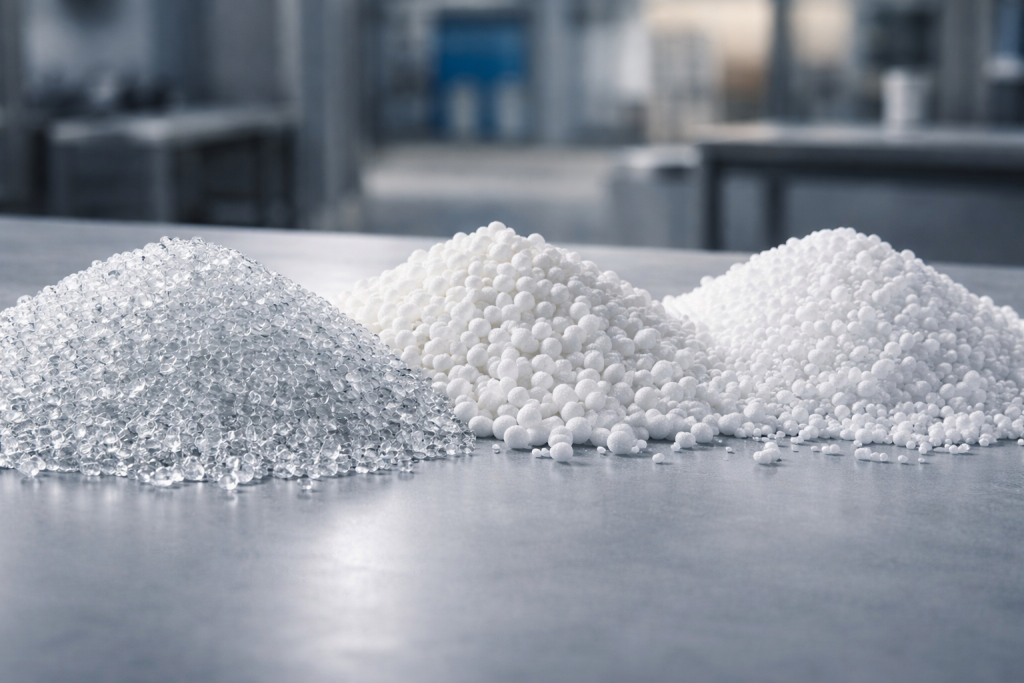
The Comprehensive Guide to Different Grades of Polystyrene Granules
Polystyrene is one of the most widely used thermoplastic polymers in the global plastics industry. Due to its versatility, cost-effectiveness, and adaptable physical properties, it is utilized across packaging, construction, consumer goods, medical devices, and industrial applications. At the core of this material family lies the polystyrene granule, the primary raw form used by manufacturers to produce a broad range of finished and semi-finished products.
For buyers, manufacturers, and distributors—particularly those sourcing polystyrene granule Iran—understanding the differences between various grades of polystyrene is critical for quality control, performance optimization, and cost management. The three most commercially important grades are GPPS (General Purpose Polystyrene), HIPS (High Impact Polystyrene), and EPS (Expanded Polystyrene). Each grade has unique mechanical, thermal, and processing characteristics that make it suitable for specific applications.
This comprehensive guide is designed for professionals, procurement managers, polymer engineers, and international buyers visiting yasinpolymer. It provides an in-depth technical and commercial overview of GPPS, HIPS, and EPS, including virgin and recycled variants such as Recycled GPPS Granule and Recycled EPS Granule, while aligning with international content and SEO standards.
What Is a Polystyrene Granule?
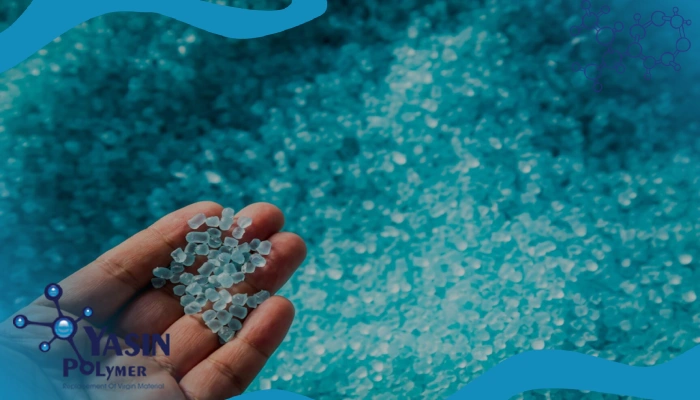
A polystyrene granule is a small, uniform pellet produced through polymerization of styrene monomer. These granules serve as the feedstock for plastic processing methods such as injection molding, extrusion, thermoforming, and expansion molding (for EPS).
Polystyrene granules are valued for:
- Excellent moldability
- Consistent flow behavior
- Dimensional stability
- Compatibility with additives, pigments, and fillers
Manufacturers typically select a specific grade of polystyrene granule based on the final product’s required transparency, strength, insulation performance, or impact resistance.
In regional markets, particularly in the Middle East, polystyrene granule Iran has gained recognition due to competitive pricing, stable supply chains, and improving quality standards aligned with global petrochemical benchmarks.
Overview of Polystyrene Grades
Polystyrene is broadly classified into three main categories:
- GPPS (General Purpose Polystyrene) – rigid and transparent
- HIPS (High Impact Polystyrene) – toughened and impact-resistant
- EPS (Expanded Polystyrene) – lightweight and insulating
Although chemically related, these materials differ significantly in structure and end-use performance.
GPPS: General Purpose Polystyrene
GPPS (General Purpose Polystyrene) is a widely used transparent thermoplastic known for its high clarity and glossy surface.
Due to its balanced mechanical properties and excellent processability, GPPS serves as a base material for many packaging and lightweight plastic applications.
Technical Characteristics of GPPS
GPPS is the purest and most rigid form of polystyrene. It is produced without rubber modification, resulting in a hard, brittle, and optically clear material.
Key properties include:
- High transparency and gloss
- Good dimensional stability
- Moderate heat resistance
- Low impact strength
- Excellent electrical insulation
Due to its amorphous structure, GPPS offers excellent flowability during processing, making it suitable for precision molding applications.
Applications of GPPS
GPPS is commonly used in industries where clarity and aesthetics are essential:
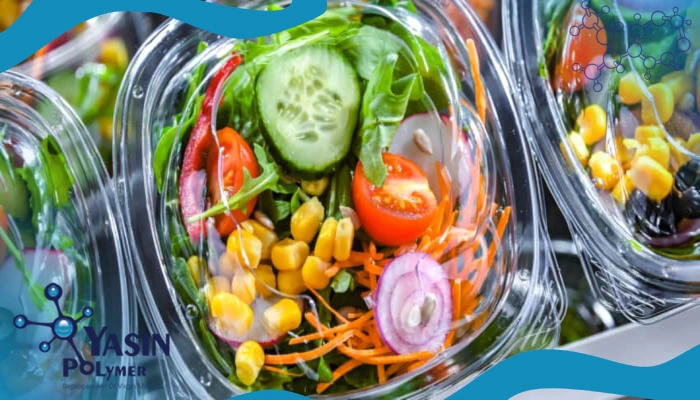
- Disposable cups and cutlery
- Cosmetic and pharmaceutical packaging
- CD and DVD cases
- Laboratory ware
- Transparent household items
Manufacturers seeking consistent optical quality often prefer virgin GPPS, while cost-sensitive markets increasingly adopt Recycled GPPS Granule for non-critical or opaque applications.
Recycled GPPS Granule
Recycled GPPS Granule is produced through mechanical recycling of post-industrial or post-consumer polystyrene waste. When properly processed, it offers:
- Reduced raw material costs
- Lower environmental impact
- Acceptable mechanical performance for many applications
While recycled GPPS may show slight color variation or reduced clarity, it is widely used in packaging components, office supplies, and injection-molded parts where transparency is not a strict requirement.
HIPS: High Impact Polystyrene
HIPS (High Impact Polystyrene) is a durable polymer enhanced with rubber to improve impact resistance while maintaining processability.
It is commonly used for products requiring toughness and dimensional stability, such as appliance housings, toys, and packaging materials.
What Makes HIPS Different?
HIPS is a modified form of polystyrene that incorporates polybutadiene rubber into the polymer matrix. This rubber phase significantly improves impact resistance and toughness.
Core properties include:
- High impact strength
- Improved flexibility
- Good machinability
- Opaque appearance
- Easy thermoforming
Industrial Applications of HIPS
HIPS is preferred in applications where durability is critical:
- Refrigerator and appliance housings
- TV and electronic device casings
- Food trays and yogurt containers
- Toys and consumer goods
- Sheet extrusion and thermoforming products
Compared to GPPS, HIPS sacrifices transparency for mechanical resilience, making it a strategic choice for protective and structural components.
EPS: Expanded Polystyrene
EPS (Expanded Polystyrene) is a lightweight, rigid foam made from polystyrene beads that expand and fuse together.
It is widely used for insulation, packaging, and protective applications due to its excellent thermal resistance and shock-absorbing properties.
Understanding EPS Structure
EPS is produced by expanding polystyrene beads using a blowing agent, typically pentane. This process creates a closed-cell foam structure consisting of up to 98% air.
Key performance characteristics include:
- Extremely low density
- Excellent thermal insulation
- High shock absorption
- Moisture resistance
- Lightweight yet structurally stable
Applications of EPS
EPS is widely used across multiple sectors:
- Thermal insulation panels for buildings
- Protective packaging for electronics
- Food containers and disposable boxes
- Cold-chain logistics
- Lightweight construction components
Recycled EPS Granule
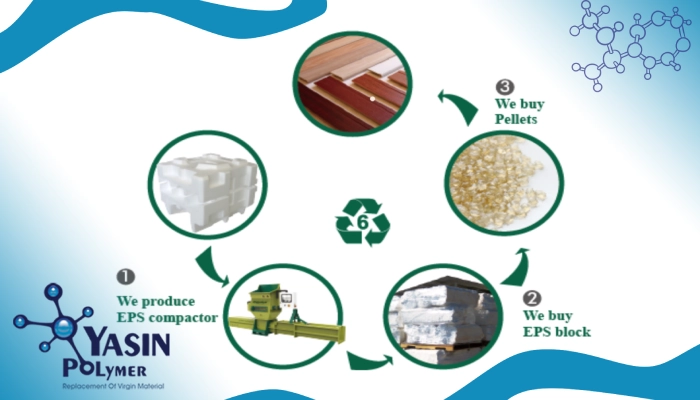
Recycled EPS Granule is obtained by compacting and reprocessing used EPS waste. Advances in recycling technology have made recycled EPS increasingly viable for:
- Insulation boards
- Non-food packaging
- Construction fillers
- Lightweight composite materials
Using recycled EPS supports sustainability goals while maintaining acceptable insulation and mechanical properties.
Comparison of GPPS, HIPS, and EPS
| Property | GPPS | HIPS | EPS |
| Transparency | High | Low | Opaque |
| Impact Resistance | Low | High | Medium |
| Density | Medium | Medium | Very Low |
| Thermal Insulation | Low | Low | Excellent |
| Processability | Excellent | Excellent | Specialized |
This comparison highlights why selecting the correct polystyrene granule grade is essential for both performance and cost efficiency.
Polystyrene Granule Iran: Market Insights
Iran is a significant producer of petrochemical raw materials, including polystyrene. The availability of both virgin and recycled grades has positioned polystyrene granule Iran as a competitive option in regional and international markets.
Advantages of sourcing from Iran include:
- Access to abundant styrene feedstock
- Competitive pricing
- Growing quality control standards
- Availability of customized grades
Suppliers like Yasin Polymer focus on consistent material specifications, export-grade packaging, and compliance with international trade requirements.
Sustainability and Recycling Trends
The global plastics industry is undergoing a shift toward circular economy models. Recycled materials such as Recycled GPPS Granule and Recycled EPS Granule are increasingly demanded by manufacturers aiming to reduce carbon footprints without compromising functionality.
Benefits of recycled polystyrene include:
- Reduced landfill waste
- Lower energy consumption
- Improved brand sustainability credentials
- Cost optimization
When sourced from reliable suppliers, recycled polystyrene granules can meet many industrial standards.
Quality Parameters to Consider When Buying Polystyrene Granules
When selecting a supplier, buyers should evaluate:
- Melt flow index (MFI)
- Impact strength
- Density and bead size consistency
- Contamination levels (for recycled grades)
- Packaging and logistics reliability
Professional suppliers provide technical datasheets and batch traceability to ensure consistent quality.
Conclusion
Polystyrene remains a cornerstone material in modern manufacturing, and understanding the distinctions between GPPS, HIPS, and EPS is essential for making informed sourcing decisions. Whether prioritizing clarity, impact resistance, insulation performance, or sustainability, selecting the appropriate polystyrene granule directly affects product quality and cost efficiency.
With growing demand for sustainable materials, recycled options such as Recycled GPPS Granule and Recycled EPS Granule are becoming integral to industrial supply chains. At the same time, the strategic importance of polystyrene granule Iran continues to grow in regional and global markets.
By partnering with experienced suppliers like Yasin Polymer, manufacturers can secure consistent quality, technical support, and reliable access to a full range of polystyrene grades tailored to their operational needs.
Frequently Asked Questions (FAQ)
What is the main difference between GPPS and HIPS?
GPPS is rigid and transparent with low impact resistance, while HIPS is opaque and modified with rubber to provide higher toughness and durability.
Is Recycled GPPS Granule suitable for food packaging?
Recycled GPPS Granule is generally not recommended for direct food contact unless it meets specific regulatory approvals. It is more commonly used in non-food applications.
Why is EPS preferred for insulation applications?
EPS offers excellent thermal insulation due to its closed-cell foam structure and high air content, making it ideal for construction and cold-chain uses.
Can Recycled EPS Granule replace virgin EPS?
In many non-critical applications, recycled EPS can effectively replace virgin material, especially in construction and protective packaging.
Is polystyrene granule Iran suitable for export markets?
Yes. Many Iranian producers supply export-grade polystyrene granules that meet regional and international specifications, particularly when sourced from reputable suppliers.