What is GPPS? Understanding Its Physical Properties and Wide-Ranging Applications
2026-02-14
Can Polystyrene Get Wet?
2026-02-21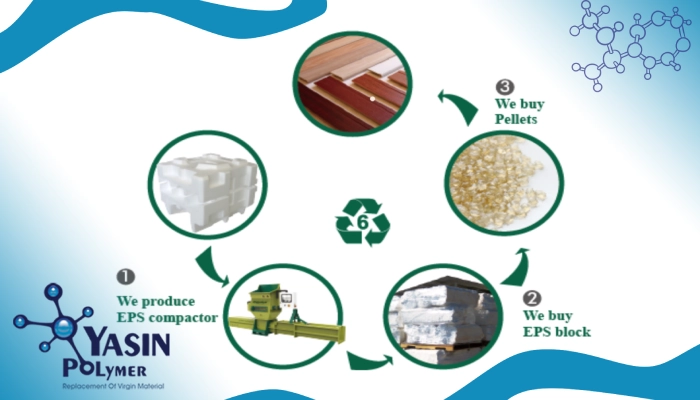
Styrofoam vs. Polystyrene: The Ultimate Guide to Properties, Differences, and Industrial Uses
In the world of polymers and plastics, terminology can often become a maze of brand names and chemical classifications. One of the most common points of confusion for manufacturers and consumers alike is the distinction between Polystyrene and Styrofoam. While they are chemically related, their physical properties, manufacturing processes, and applications are worlds apart.
In this deep dive, Yasin Polymer explores everything you need to know about these materials—from the raw Polystyrene granule used in injection molding to the specialized Recycled EPS Granule driving the circular economy.
What is Polystyrene? The Chemical Foundation
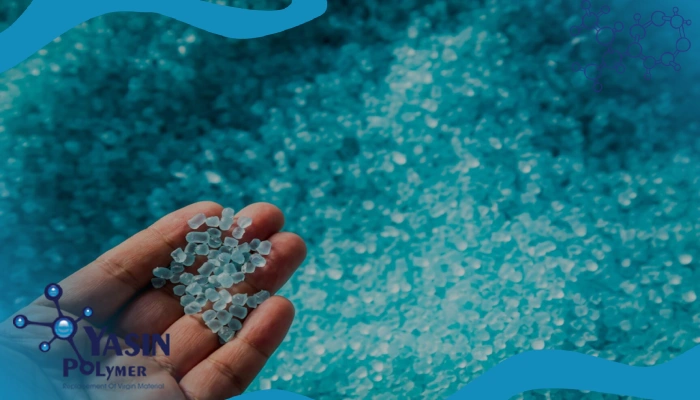
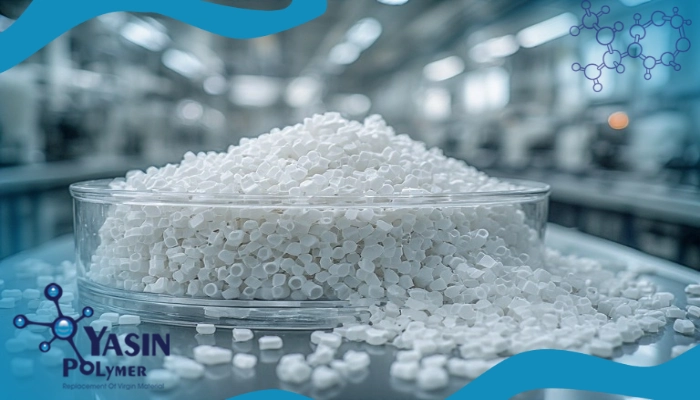
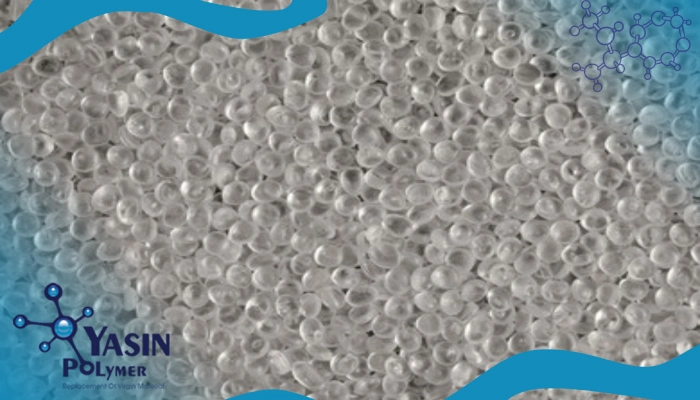
Polystyrene (PS) is a synthetic aromatic hydrocarbon polymer made from the monomer styrene. In its solid state, it is a versatile plastic used to produce a vast array of consumer goods. When discussing the raw material, we often refer to it as Polystyrene granule. These granules are the starting point for almost all PS products. In the global market, particularly in the Middle East, Polystyrene granule Iran has gained significant traction due to its high purity and competitive production standards.
The molecular structure of polystyrene consists of long-chain hydrocarbons with phenyl groups attached to every other carbon atom. This specific chemical arrangement provides the material with its characteristic rigidity and transparency. In the Iranian petrochemical sector, the production of Polystyrene granule Iran follows rigorous international protocols, ensuring that the final resin is free from impurities that could weaken the structural integrity of molded parts. This makes the local granules highly desirable for high-precision injection molding, where consistency in melt flow index (MFI) and thermal stability are non-negotiable for large-scale industrial manufacturing.
What is Styrofoam? Clearing the Brand Confusion
The word “Styrofoam” is actually a trademarked brand name owned by the Dow Chemical Company. Technically, it refers to a specific type of Extruded Polystyrene (XPS) used primarily for thermal insulation and craft applications. However, in common parlance, people use “Styrofoam” to describe Expanded Polystyrene (EPS)—the white, beaded foam used for coffee cups and shipping protectors.
Beyond the name, the physical distinction lies in the air-to-plastic ratio. Traditional polystyrene is a dense solid, while EPS is a cellular plastic. The manufacturing of EPS involves pre-expansion, where raw beads containing a blowing agent are heated with steam. This process increases the volume of the beads by nearly 40 times their original size. Understanding this difference is crucial for procurement teams; while you might buy Polystyrene granule for producing clear cutlery, you would require specialized EPS resin for creating protective packaging. In the Iranian market, companies like Yasin Polymer bridge this gap by providing technical insights into which variant suits specific industrial machinery, ensuring that clients don’t mistake solid resin for foamable beads.
Technical Comparison: Polystyrene vs. Styrofoam
To help procurement officers and engineers make the right choice, let’s break down the technical differences.
- Density and Composition
- Polystyrene (Solid/GPPS): A dense, solid plastic. It is manufactured by melting GPPS granules and molding them into shapes.
- Styrofoam (EPS/XPS): Consists of roughly 95% air. It is created by expanding small beads of polystyrene using a blowing agent (usually pentane).
- Thermal Conductivity
Styrofoam is a world-class insulator. Because it traps air in millions of tiny cells, it prevents heat transfer. Solid Polystyrene granule products, conversely, have much lower insulation values and are used for their structural integrity rather than thermal properties.
- Moisture Resistance
While solid PS is waterproof, the “beaded” nature of EPS (Styrofoam) can sometimes allow moisture to seep between the beads over long periods. However, XPS (the true Styrofoam) is highly moisture-resistant, which is why it’s used in foundation insulation.
The Role of Granules in Production
The quality of any plastic product begins with the resin. At Yasin Polymer, we emphasize the importance of selecting the right grade of Polystyrene granule.
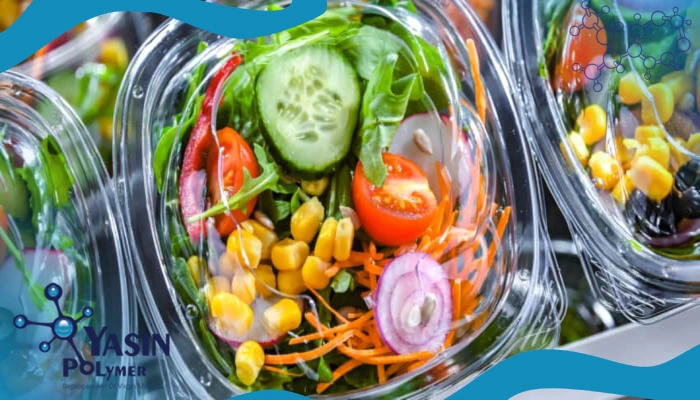
- GPPS: The Industrial Workhorse: GPPS is the go-to material for transparency. It is widely used in food packaging and laboratory ware.
- The Rise of Recycled Materials: Sustainability is no longer optional. The industry is shifting toward Recycled GPPS Granule and Recycled EPS Granule.
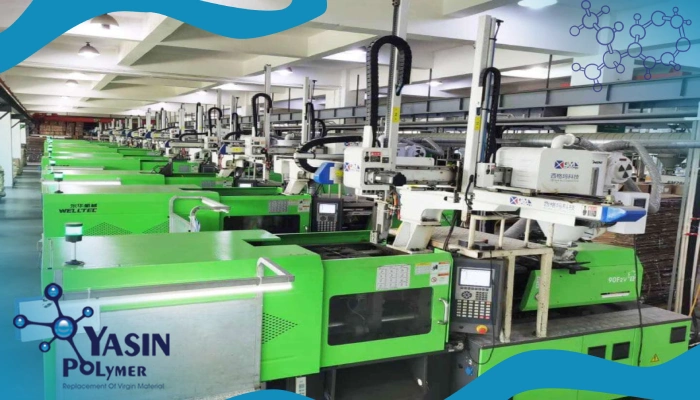
The production efficiency of an injection molding line is directly tied to the uniformity of the granules. Irregularly shaped or contaminated granules can lead to “black spots” or structural voids in the final product. Recycled GPPS Granule has become a game-changer for cost-conscious manufacturers. By utilizing advanced filtration and de-volatilization techniques, modern recycling facilities can produce a Recycled GPPS Granule that rivals virgin material in clarity and flow. Similarly, the process of creating Recycled EPS Granule involves melting down bulky foam waste into compact, high-density pellets. These pellets are then reused in the extrusion of synthetic wood profiles, XPS insulation boards, and decorative cornices. This circular approach not only stabilizes the supply chain but also buffers manufacturers against the price volatility of virgin petroleum-based resins.
Why Choose Polystyrene Granule from Iran?
The petrochemical industry in Iran is one of the most advanced in the region. Polystyrene granule Iran is sought after for several reasons:
- High Refractive Index: Ideal for “Crystal” grade products.
- Consistency: Strict quality control during the polymerization process.
- Cost-Efficiency: Proximity to raw feedstocks allows for competitive pricing for international buyers.
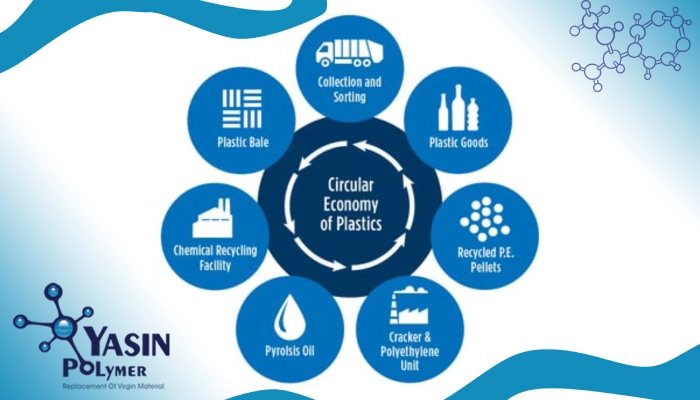
Environmental Impact and The Circular Economy
One of the biggest criticisms of polystyrene products is their environmental persistence. This is where the “Recycled” grades come into play.
- Waste Reduction: By processing EPS scrap into Recycled EPS Granule, we reduce landfill waste.
- Energy Savings: Producing products from Recycled GPPS Granule consumes significantly less energy.
The transition to a circular economy in the plastics industry is driven by the ability to transform “waste” back into a high-value commodity. Recycled EPS Granule production is a perfect example: by taking expanded foam—which is mostly air and historically difficult to recycle—and densifying it into high-purity granules, we create a secondary raw material that is highly versatile. This recycled resin is increasingly used in “green building” initiatives to create energy-efficient insulation. Furthermore, using Recycled GPPS Granule in consumer goods helps brands meet their “recycled content” quotas mandated by new environmental regulations. At Yasin Polymer, we advocate for this transition by offering high-grade recycled resins that don’t compromise on performance, proving that industrial growth and environmental stewardship can go hand-in-hand through smart polymer engineering.
Summary Table for Quick Reference
| Feature | Solid Polystyrene (GPPS/HIPS) | Foam Polystyrene (Styrofoam/EPS) |
| Material Form | Rigid Granules/Pellets | Expanded Beads/Foam |
| Primary Use | Packaging, Toys, Labware | Insulation, Shipping, Food Trays |
| Recyclability | High (Recycled GPPS Granule) | Moderate (Recycled EPS Granule) |
| Transparency | High (in GPPS) | Opaque/White |
Conclusion
Whether you are looking for the clarity of GPPS for consumer packaging or the insulating power of EPS, understanding the nuances of the polystyrene family is key to industrial success. Yasin Polymer remains a leader in supplying high-quality Polystyrene granule Iran, helping businesses transition toward a more sustainable future with our recycled ranges.
Frequently Asked Questions (FAQ)
Can I use GPPS to make foam?
No. While GPPS is polystyrene, it lacks the blowing agents required for expansion. You need specific EPS resin to create foam products.
Is Styrofoam recyclable?
Yes, but it must be densified first. Once processed, it can be turned into Recycled EPS Granule and used to make durable goods like picture frames and architectural moldings.
What is the difference between EPS and XPS?
EPS (Expanded) is made of fused beads (think of a white cooler). XPS (Extruded) is a solid, smooth foam board (think of blue or pink insulation boards). Both are forms of polystyrene.
Can I mix virgin and recycled granules?
Yes, blending Polystyrene granule with Recycled GPPS Granule is a common way to reduce costs while maintaining quality.