Why Iran is a Leading Global Hub for High-Quality Polystyrene Granule Exports
2026-02-10
Styrofoam vs. Polystyrene: The Ultimate Guide to Properties, Differences, and Industrial Uses
2026-02-17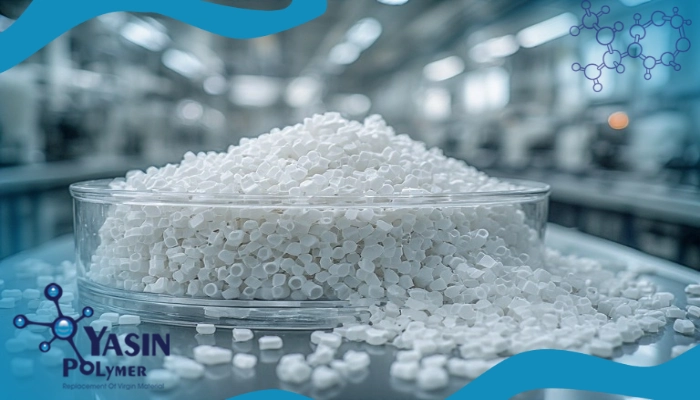
What is GPPS?
Introduction to GPPS
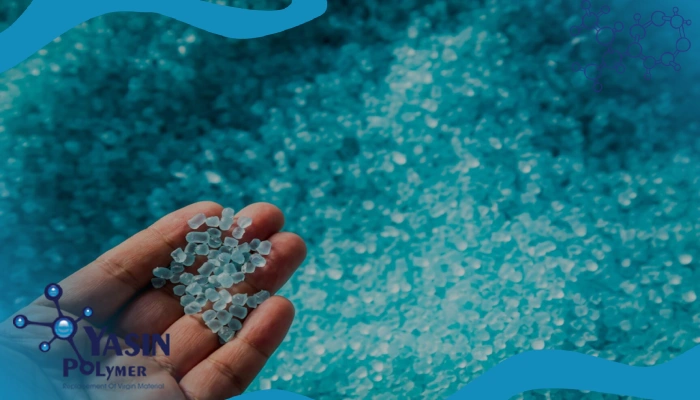
GPPS, or General Purpose Polystyrene, is a transparent and rigid thermoplastic polymer widely used in various industries. Unlike other types of polystyrene, such as HIPS (High Impact Polystyrene), GPPS is brittle but provides excellent clarity and surface finish, making it ideal for packaging and display products. The material is produced mainly in the form of Polystyrene granule, which allows for convenient handling and processing in industrial equipment.
Yasin Polymer, a leading supplier in Iran, offers high-quality Polystyrene granule Iran, ensuring consistent granule size and purity for manufacturers. In addition to its transparency, GPPS from Yasin Polymer is cost-effective and easy to process, making it popular for manufacturers looking for both quality and efficiency. The material can be used alone or blended with additives for improved UV resistance, flame retardancy, or color. Using GPPS from Yasin Polymer, especially when combined with Recycled GPPS Granule, also supports sustainable practices and contributes to a circular plastic economy.

Physical and Chemical Properties of GPPS
Understanding the physical and chemical properties of GPPS is essential for selecting it for industrial applications. GPPS is a thermoplastic polymer, meaning it softens when heated and solidifies when cooled. Its brittleness is offset by its rigid structure and high clarity, making it suitable for products that require transparency and clean surfaces.
GPPS Physical Properties
| Property | Value/Range | Description |
| Density | 1.04–1.06 g/cm³ | Lightweight, easy to handle for molding and extrusion |
| Glass transition temperature | 100°C | Softens at high temperatures; suitable for hot processes |
| Tensile strength | 40–50 MPa | Rigid and strong under load, ideal for packaging |
| Elongation at break | 1–2% | Low flexibility; not suitable for high-impact use |
| Transparency | High | Perfect for see-through containers and displays |
| Water absorption | <0.1% | Resistant to moisture and liquid exposure |
Chemical Properties
GPPS is resistant to acids and bases but sensitive to organic solvents. Its non-polar nature allows easy coloring and compatibility with other additives. The material can also be blended with Recycled GPPS Granule or Recycled EPS Granule to enhance environmental sustainability without significantly compromising physical properties. These chemical characteristics make GPPS suitable for a range of applications, from laboratory tools to industrial packaging, where chemical stability and clarity are required. Proper understanding of these properties ensures manufacturers can predict behavior during processing and in the final product.
Processing GPPS
The Polystyrene granule form of GPPS enables efficient processing using several industrial methods. Injection molding is the most common technique, ideal for manufacturing transparent cups, containers, and display trays. Extrusion allows for sheets, films, and tubes, while thermoforming is used to produce lightweight, rigid products like disposable cutlery.
Processing requires attention to temperature, shear rate, and drying conditions. GPPS should be dried before molding to prevent bubbles or defects in transparent products. Incorporating Recycled GPPS Granule allows manufacturers to produce eco-friendly items without sacrificing clarity. Additionally, careful monitoring of extrusion and molding parameters ensures uniformity in thickness, minimal stress, and surface quality. Industrial users of Polystyrene granule Iran often maintain detailed process charts to standardize quality, especially when producing high-precision products or blending with recycled materials.

Applications of GPPS
GPPS has a broad range of applications due to its clarity, rigidity, and ease of processing.
Packaging Industry
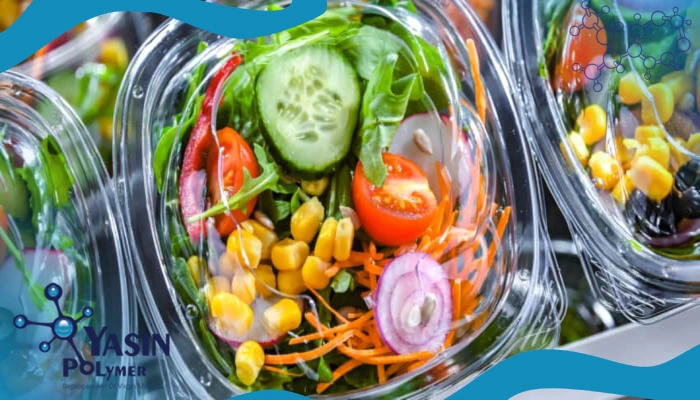
- Food packaging: Clear cups, containers, and lids
- Cosmetic packaging: Display cases that showcase products
- Electronics: Transparent casings and protective covers
GPPS is often preferred for applications that require both visual appeal and rigidity. In addition, using Recycled GPPS Granule can enhance sustainability for manufacturers producing large volumes of disposable containers.
Industrial Applications
- Laboratory tools: Petri dishes, test tube racks, and sample holders
- Construction materials: Lightweight insulation panels
- Office and stationery: Rigid rulers, CD cases, and product organizers
The rigidity of GPPS makes it ideal where structural integrity is important, even though the material is brittle.
Emerging Applications
- 3D printing filaments for prototypes and models
- Recycled products from Recycled EPS Granule used for cushioning and packaging
- Combining virgin GPPS with recycled granules improves environmental impact while retaining functional properties
Why GPPS is popular
- Clear and visually appealing
- Lightweight and cost-effective
- Easy to mold and extrude into complex shapes
- Recyclable, enabling sustainable manufacturing
Differences Between GPPS and HIPS
While GPPS is clear and rigid, HIPS incorporates rubber for higher impact resistance, making it suitable for applications requiring durability.
| Property | GPPS | HIPS |
| Impact resistance | Low | High |
| Transparency | High | Opaque |
| Flexibility | Low | High |
| Applications | Clear packaging, laboratory items | Toys, appliances, durable components |
| Cost | Moderate | Slightly higher |
Choosing between GPPS and HIPS depends on the desired clarity, impact resistance, and cost considerations. Manufacturers often combine GPPS with HIPS or recycled granules to achieve balance between clarity and toughness.
Environmental Considerations and Recycling
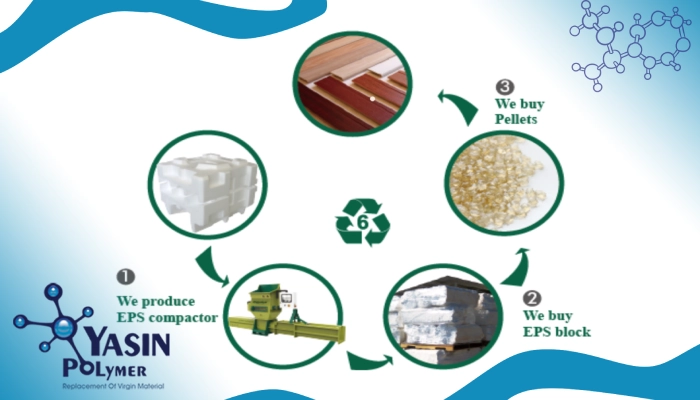
Sustainability is increasingly important in plastic manufacturing. Using Recycled GPPS Granule allows companies to reduce plastic waste and produce environmentally responsible products. Similarly, Recycled EPS Granule can be repurposed for insulation or packaging materials.
Tips for sustainable GPPS usage:
- Separate clear GPPS from colored EPS for higher recycling efficiency
- Blend recycled granules with virgin material to maintain mechanical properties
- Source locally, for example from Polystyrene granule Iran, to minimize transportation carbon footprint
These practices not only support the environment but also reduce production costs for manufacturers aiming to adopt circular economy principles.

Selecting GPPS for Your Application
Selecting the right GPPS grade depends on:
- Clarity vs. impact resistance: Use GPPS when transparency is key, HIPS or blends when durability is required
- Processing method: Injection molding, extrusion, or thermoforming
- Sustainability goals: Incorporating Recycled GPPS Granule or Recycled EPS Granule
- Supplier reliability: Choose reputable providers like Yasin Polymer for consistent Polystyrene granule Iran
Additional considerations include color, batch consistency, and granule size, all affecting final product quality. Proper material selection ensures performance, reduces defects, and supports long-term manufacturing efficiency.
Tips for Handling and Storage
Proper storage of GPPS is essential to maintain quality:
- Store granules in a dry, cool area away from direct sunlight
- Avoid exposure to organic solvents, which may cause stress cracking
- Implement FIFO inventory management to prevent aging of granules
- Dry granules before processing to avoid voids or cloudiness in molded items
- Purchase Polystyrene granule Iran from trusted suppliers like Yasin Polymer for consistent quality
Following these guidelines ensures that GPPS retains its clarity and mechanical properties throughout production.
Future Trends of GPPS
- Rising use of recycled GPPS in packaging to reduce environmental impact
- Development of GPPS blends for improved toughness and heat resistance
- Expanding applications in electronics, laboratory equipment, and consumer goods
- Increasing demand in the Iranian market for Polystyrene granule Iran, driven by local production and recycling initiatives
These trends indicate that GPPS will continue to be a key material for sustainable and versatile plastic products worldwide.
Conclusion
GPPS remains a vital material in the plastics industry due to its clarity, rigidity, and ease of processing. From food packaging to laboratory tools, GPPS delivers consistent performance and aesthetic appeal. By incorporating Recycled GPPS Granule or Recycled EPS Granule, manufacturers can enhance sustainability while reducing costs. Local sourcing from Polystyrene granule Iran ensures reliability and supports domestic industries. Proper handling, storage, and material selection allow manufacturers to optimize performance and achieve high-quality products. Whether for injection molding, extrusion, or thermoforming, GPPS continues to be a versatile, high-demand polymer.
FAQs
H3: What is GPPS?
GPPS is General Purpose Polystyrene, a rigid, clear thermoplastic polymer ideal for packaging, laboratory items, and display products.
H3: Can GPPS be recycled?
Yes. Both GPPS and EPS waste can be converted into Recycled GPPS Granule and Recycled EPS Granule for industrial reuse.
H3: How is GPPS processed?
It is processed via injection molding, extrusion, and thermoforming, with careful control of temperature and drying.
H3: Where can I buy Polystyrene granule in Iran?
Trusted suppliers like Yasin Polymer provide high-quality Polystyrene granule Iran, suitable for industrial manufacturing.