Can Polystyrene Get Wet?
2026-02-21
What is GPPS Used For?
2026-02-28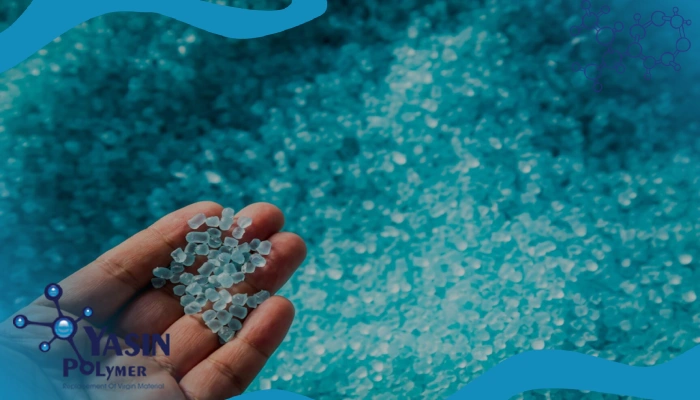
What is GPPS Material?
In the world of thermoplastics, GPPS (General Purpose Polystyrene) stands out as one of the most widely used and versatile materials. Known for its crystal-clear transparency, rigidity, and cost-effectiveness, GPPS (also called Polystyrene granule in its raw form) is a go-to choice for manufacturers worldwide. At Yasin Polymer, we specialize in supplying high-quality Polystyrene granule iran, Recycled GPPS Granule, and related products to meet diverse industrial needs.
Whether you’re producing packaging, disposable items, or decorative products, understanding GPPS helps optimize production, reduce costs, and ensure quality. In this detailed 3000+ word blog post, we explore everything about GPPS – from its definition and properties to applications, recycling, production in Iran, and more.
Introduction to GPPS: Why It Matters in Today’s Industry
GPPS is a rigid, amorphous thermoplastic polymer produced by polymerizing styrene monomer. Unlike other polystyrenes, GPPS is crystal-clear (hence often called “crystal polystyrene”) and brittle, making it ideal for applications where optical clarity is essential.
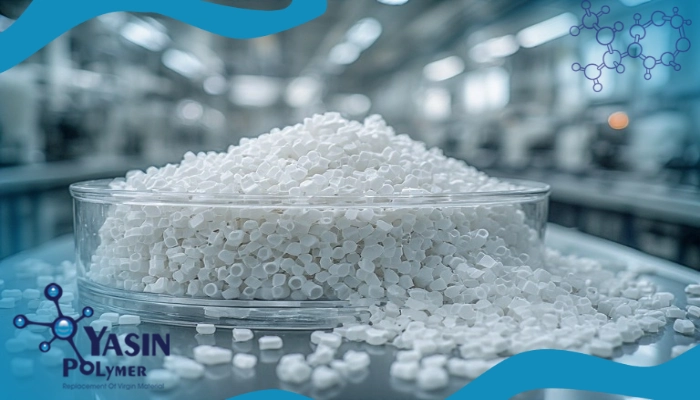
Chemically, GPPS is a homopolymer of styrene (C₆H₅CH=CH₂), resulting in a linear chain structure that gives it excellent transparency and dimensional stability. It is supplied as Polystyrene granule – small cylindrical or spherical pellets ready for processing via injection molding, extrusion, thermoforming, or blow molding.
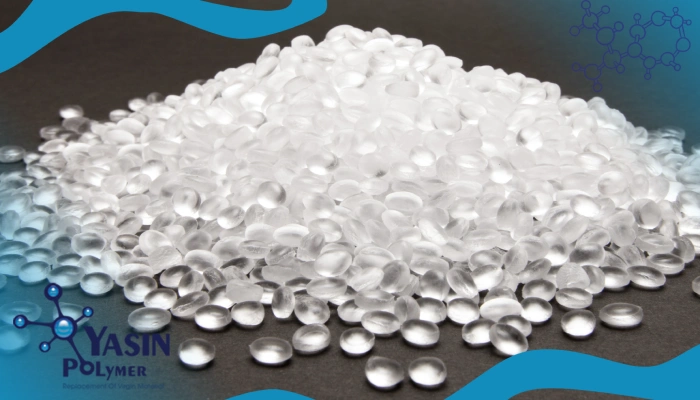
Key facts:
- Chemical formula: (C₈H₈)n
- Density: 1.04–1.06 g/cm³
- Transparency: Up to 88–92% light transmission
- Refractive index: 1.59–1.60 (high gloss and sparkle)
GPPS is one of the oldest commercial plastics (developed in the 1930s) and remains popular due to its low cost and ease of use.
Key Physical and Chemical Properties of GPPS
GPPS offers a balanced set of properties that make it suitable for high-volume production:
- Optical properties: Exceptional clarity and gloss – often used as a glass substitute.
- Mechanical properties: High rigidity and stiffness (Tensile strength: 2.3–3.6 N/mm²), but low impact resistance (Notched Izod: 2–2.5 kJ/m²) – brittle under stress.
- Thermal properties: Heat deflection temperature (HDT) around 70–95°C; softens above 80–90°C; processing temperature 200–240°C.
- Electrical properties: Excellent insulator with high dielectric strength.
- Chemical resistance: Good against dilute acids, bases, alcohols; poor against aromatic solvents (toluene, benzene), oils, and UV light (yellowing over time).
- Processing ease: Low shrinkage (0.4–0.7%), no need for pre-drying (low moisture absorption), excellent flow in molds.
These properties make GPPS ideal for thin-walled, transparent parts.
Advantages of Using GPPS
Here are the main benefits that drive its popularity:
- Extremely low material cost compared to other clear plastics (e.g., PET, PMMA, PC).
- Outstanding transparency and surface finish – glossy, glass-like appearance.
- Easy and fast processing – high production efficiency in injection and extrusion.
- Good dimensional stability and low warpage.
- FDA-compliant grades available for food-contact applications.
- Lightweight and recyclable – supports sustainable manufacturing.
- Excellent printability, paintability, and adhesion for decoration.
- Cost-effective for mass production of disposable items.
- Good electrical and thermal insulation in non-foam forms.
For many non-structural applications, GPPS provides the best price-performance ratio.
Disadvantages and Limitations of GPPS
No material is perfect – GPPS has limitations:
- High brittleness – low impact strength; cracks easily under force or drop.
- Poor heat resistance – not suitable for hot-fill or microwave use (unless modified).
- UV sensitivity – yellows and becomes brittle outdoors without stabilizers.
- Limited chemical resistance to solvents and hydrocarbons.
- Not inherently flame-retardant (requires additives for FR grades).
- Prone to stress cracking in certain designs.
- Environmental concerns related to non-biodegradability (though recyclable).
For applications needing toughness, manufacturers often switch to HIPS (High Impact Polystyrene).
GPPS vs. Other Polystyrene Types: A Detailed Comparison
Polystyrene comes in different forms. Here’s a clear comparison:
| Property | GPPS (General Purpose) | HIPS (High Impact) | EPS (Expanded Polystyrene) |
| Appearance | Crystal clear, glossy | Opaque or translucent | White, foamy |
| Impact Resistance | Low (brittle) | High (rubber-modified) | Medium (foam structure) |
| Density | 1.04–1.06 g/cm³ | 1.04–1.06 g/cm³ | 16–640 kg/m³ (very low) |
| Transparency | Excellent (88–92%) | Poor | None |
| Main Processing | Injection, extrusion | Injection, extrusion | Foam molding, expansion |
| Typical Applications | Clear packaging, CD cases | Toys, appliances, durable parts | Insulation, protective packaging |
| Cost | Lowest | Medium | Low (volume-based) |
GPPS wins for clarity; HIPS for toughness; EPS for insulation and lightweight protection.
Major Applications of GPPS Across Industries
GPPS is used across many sectors thanks to its clarity and affordability:
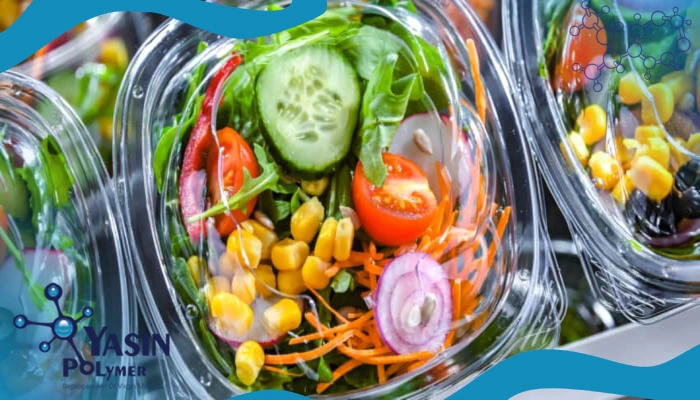
- Packaging Industry: Disposable cups, food trays, clamshells, egg cartons, bakery containers – excellent for product visibility.
- Food & Beverage Packaging: Clear containers, trays, and lids where moisture barrier and short-shelf-life protection are needed.
- Medical & Laboratory: Petri dishes, test tubes, diagnostic kits, pipettes (in medical grades) – high purity and sterilizability.
- Consumer Goods: CD/DVD cases, cosmetic jars, hangers, stationery (rulers, pen bodies).
- Appliances & Electronics: Refrigerator trays, lighting diffusers, internal components.
- Toys & Novelties: Clear toys, costume jewelry, promotional items.
- Building & Decor: Picture frames, display stands, signage.
In food packaging, GPPS is approved for indirect contact (e.g., trays) in many countries.
Production of GPPS and the Strength of Iranian Suppliers
Iran is a major global player in Polystyrene granule iran production. Petrochemical complexes like Tabriz, Pars, Amir Kabir, and others produce virgin GPPS with excellent quality for domestic and export markets. Iranian Polystyrene granule is known for consistent MFI (melt flow index), high purity, and competitive pricing.
Yasin Polymer sources premium virgin Polystyrene granule from Iranian producers and specializes in value-added products like Recycled GPPS Granule and Recycled EPS Granule. Our recycled grades maintain high clarity and mechanical properties, making them suitable for non-food applications.
The Role of Recycled GPPS Granule in Sustainable Manufacturing
Recycled GPPS Granule is produced from post-industrial and post-consumer waste (clear scraps, used cups, trays). The process includes:
- Collection and sorting
- Washing and shredding
- Extrusion and pelletizing
- Quality control (color, MFI, impurities)
Recycled GPPS Granule from Yasin Polymer offers:
- Up to 95% purity
- Cost savings of 30–50% vs virgin
- Good processability for injection and extrusion
- Applications: Non-food packaging, industrial parts, black/dark-colored products
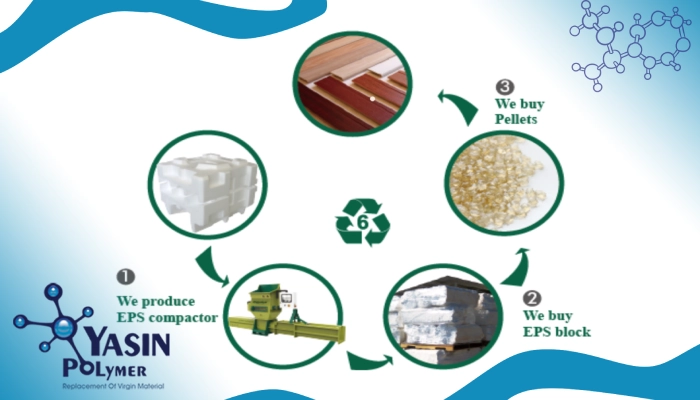
Recycled EPS Granule (from expanded foam) is densified and pelletized for reuse in insulation or molded parts.
Using recycled materials helps reduce plastic waste and supports circular economy goals.
Best Practices for Processing GPPS
To get the best results:
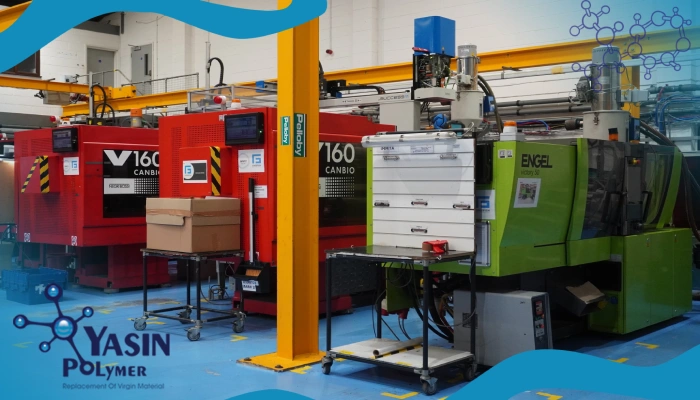
- Injection molding: Melt temperature 200–240°C; mold 20–60°C; injection speed medium-high.
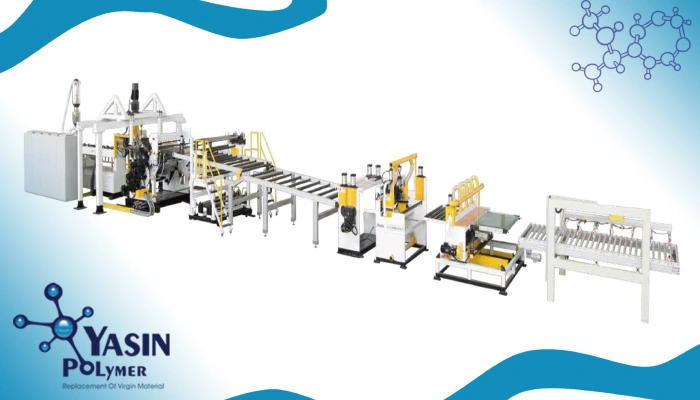
- Extrusion: For sheets/films – 180–230°C.
- Drying: Usually not required (low hygroscopicity).
- Additives: UV stabilizers for outdoor use; impact modifiers if needed.
- Avoid: Overheating (yellowing); sharp corners in design (stress cracking).
Proper settings ensure crystal-clear, defect-free parts.
Conclusion: Why Choose GPPS from Yasin Polymer?
GPPS combines unbeatable transparency, low cost, and easy processing – making it essential for modern manufacturing. Whether you need virgin Polystyrene granule, Recycled GPPS Granule, or Recycled EPS Granule, Yasin Polymer delivers consistent quality from Iran’s top sources.
As a trusted supplier of Polystyrene granule iran, we help businesses reduce costs while maintaining high standards. Contact Yasin Polymer today for samples, technical data, or bulk orders. Let’s build sustainable, high-quality products together!
Frequently Asked Questions (FAQ) about GPPS
What does GPPS stand for?
General Purpose Polystyrene – a clear, rigid form of polystyrene.
Is GPPS food-safe?
Yes, in food-contact approved grades; Recycled GPPS Granule is better for non-direct contact.
Can GPPS be recycled?
Absolutely – Recycled GPPS Granule and Recycled EPS Granule are widely produced and used.
Where is Polystyrene granule iran produced?
Major plants in Tabriz, Bandar Imam, Assaluyeh; exported globally.
GPPS vs acrylic (PMMA)?
GPPS is cheaper and easier to process; PMMA has better weather resistance and clarity.
Why choose Recycled GPPS Granule?
Lower cost, environmental benefits, sufficient quality for many applications.
What is the price of Polystyrene granule iran?
Varies by grade and market; contact Yasin Polymer for current quotes.