What is GPPS Material?
2026-02-24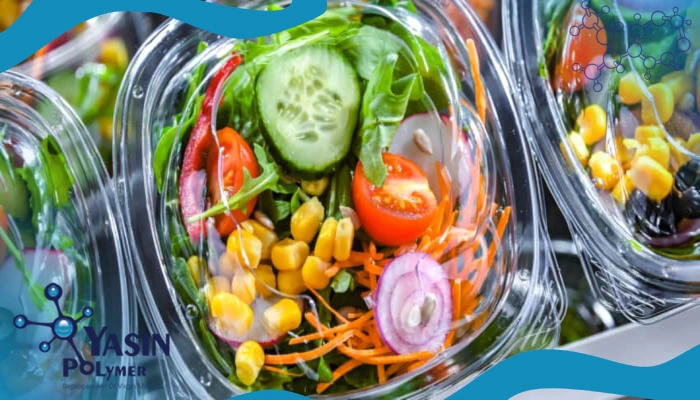
What is GPPS Used For?
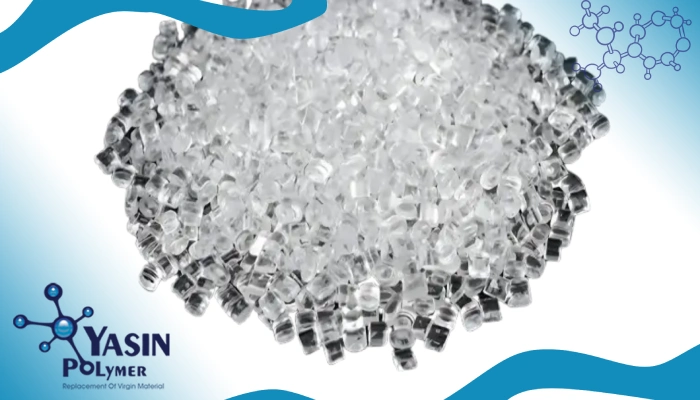
GPPS, or General Purpose Polystyrene, remains one of the cornerstone materials in the global plastics industry. As a clear, rigid, and cost-effective thermoplastic, GPPS is primarily supplied in the form of Polystyrene granule (pellets or granules) for efficient processing through injection molding, extrusion, thermoforming, and other techniques. In markets like Iran, Polystyrene granule iran continues to see strong production and demand, with suppliers such as Yasin Polymer providing premium virgin GPPS, high-quality Recycled GPPS Granule, and complementary products like Recycled EPS Granule.
This detailed 3000+ word guide from Yasin Polymer covers every aspect of GPPS in 2026: its chemical definition, in-depth physical and mechanical properties, processing behavior, extensive real-world applications across industries, detailed advantages and disadvantages, direct comparisons with related materials (HIPS, EPS, etc.), recycling trends and sustainability outlook, market dynamics, selection criteria for Polystyrene granule, and future perspectives. Whether you’re a manufacturer, engineer, or buyer seeking reliable Polystyrene granule iran, this article provides everything needed to understand why GPPS remains indispensable.
Detailed Definition and Chemical Structure of GPPS
General Purpose Polystyrene (GPPS) is produced through the polymerization of styrene monomer (C₆H₅CH=CH₂), resulting in long chains of repeating styrene units. This creates an atactic, amorphous polymer with no crystalline regions, which directly contributes to its signature high transparency and glass-like appearance.
Unlike syndiotactic or isotactic forms (which are rarer and more crystalline), standard GPPS is atactic, leading to excellent optical properties but also inherent brittleness. The material is often called “crystal polystyrene” because of its clarity, which can reach 88–92% light transmission in thin sections—rivaling glass at a fraction of the weight and cost.
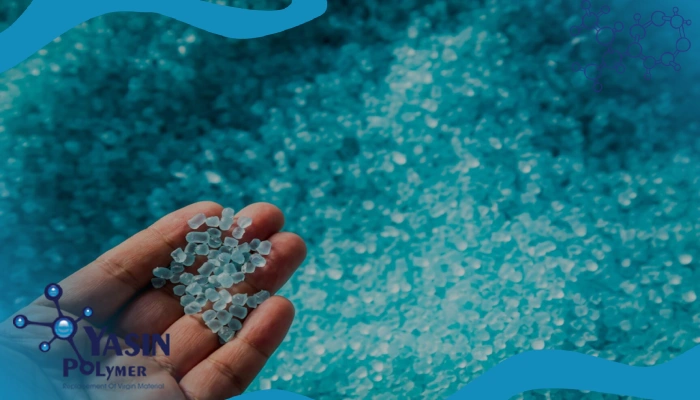
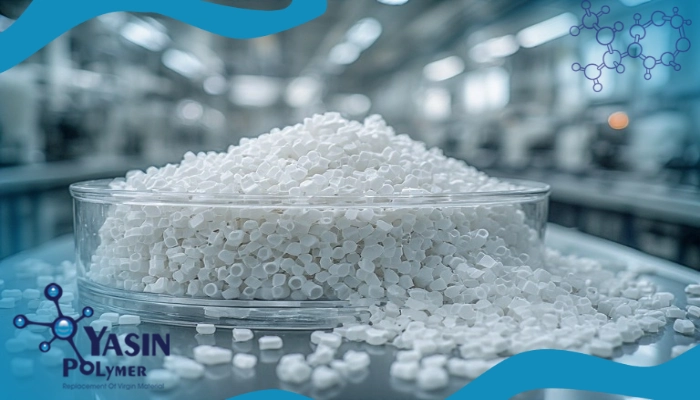
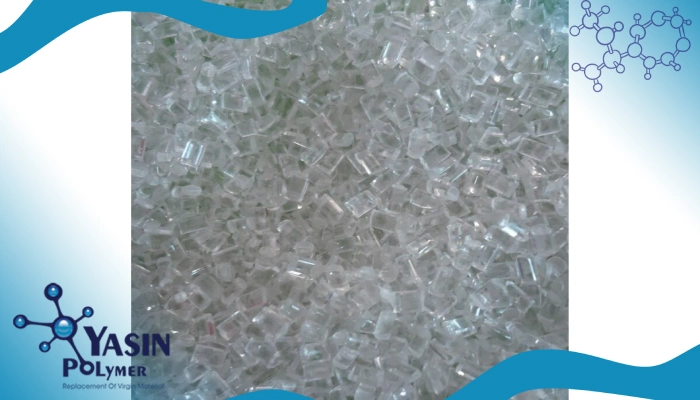
In industrial terms, GPPS is supplied as cylindrical or lenticular Polystyrene granule with typical diameters of 2–5 mm. These granules are easy to handle, dry, and feed into molding machines, making GPPS highly favored for high-volume production.
In-Depth Physical and Mechanical Properties of GPPS
Understanding the precise properties helps explain why GPPS excels in certain applications and where limitations exist.
- Density: 1.04–1.06 g/cm³ – Lightweight compared to many engineering plastics, reducing shipping costs and part weight.
- Transparency & Optical Properties: Light transmittance 88–92%, refractive index ~1.59–1.60, high surface gloss for a premium aesthetic.
- Tensile Strength: 40–60 MPa – High for a commodity plastic, providing good stiffness.
- Flexural Modulus: 3000–3400 MPa – Exceptional rigidity, ideal for maintaining shape in thin-walled parts.
- Impact Strength (Notched Izod): 10–20 J/m – Very low, making it brittle and prone to cracking under sudden loads.
- Heat Deflection Temperature (HDT): 70–85°C under 1.8 MPa load – Limits continuous use to moderate temperatures.
- Vicat Softening Point: ~85–100°C – Similar thermal behavior.
- Melt Flow Index (MFI): Typically 3–20 g/10 min (190°C/5 kg) – Wide range allows tailoring for thin-wall molding (high MFI) or extrusion (low MFI).
- Shrinkage: 0.4–0.7% – Low and predictable, excellent dimensional stability.
- Water Absorption: <0.05% – Virtually negligible, no warping from humidity.
- Electrical Properties: Excellent insulator, high dielectric strength, low dissipation factor.
- Chemical Resistance: Good against dilute acids/bases, alcohols, oils; poor against hydrocarbons, ketones, aromatics.
These properties position GPPS perfectly for applications prioritizing clarity, rigidity, low cost, and ease of processing over toughness or high heat resistance.
Extensive Advantages of GPPS in Modern Manufacturing
GPPS offers compelling benefits that sustain its popularity even amid sustainability pressures:
- Superior Optical Clarity — Closest affordable match to glass; enables product visibility in packaging and displays.
- High Rigidity and Dimensional Stability — Parts resist deformation, maintain tight tolerances, and hold shape well.
- Exceptional Processability — Low melt viscosity, fast cycle times, minimal warpage, easy coloring/pigmentation.
- Cost-Effectiveness — Among the lowest-priced rigid transparent plastics; supports mass production economics.
- Food Contact Compliance — Many grades meet FDA, EU 10/2011, and other standards for direct food use.
- Lightweight Design — Reduces material consumption and logistics costs.
- Good Printability & Decorability — Accepts inks, labels, hot stamping, and metallization easily.
- Odorless & Tasteless — No off-flavors or smells in food/medical packaging.
- Recyclability Potential — Mechanical recycling into Recycled GPPS Granule is straightforward for non-food applications.
Detailed Disadvantages and Limitations of GPPS
No material is perfect; GPPS has clear trade-offs:
- Brittleness — Low impact resistance; fractures easily under drop, shock, or flex.
- Limited Heat Resistance — Softens/deforms above ~70–85°C; unsuitable for hot-fill or microwave (unless specially formulated).
- Poor Environmental Stress Cracking Resistance — Susceptible to cracking in presence of certain chemicals or stresses.
- UV Sensitivity — Yellows and embrittles outdoors without stabilizers.
- Flammability — Burns readily; releases styrene fumes when burning.
- Low Toughness — Not suitable for load-bearing or high-impact parts without modification.
- Recycling Clarity Loss — Repeated mechanical recycling often reduces transparency due to contaminants.
These drawbacks are frequently addressed by blending with HIPS, using additives, or switching to alternatives like PP for demanding uses.
Main Applications of GPPS – Expanded by Industry in 2026
GPPS consumption is driven by packaging (~30–40%), consumer goods, electronics, and more. Key detailed uses:
-
Packaging Sector (Dominant Application)
- Clear disposable cups, lids, clamshells, salad bowls, and takeaway containers.
- Blister packs, cosmetic trays, confectionery inserts, and protective display packaging.
- Thin-wall food trays, bakery boxes, and produce containers where visibility is key. In 2026, demand remains strong in foodservice despite single-use regulations, thanks to cost and clarity advantages.
-
Consumer Goods & Household Products
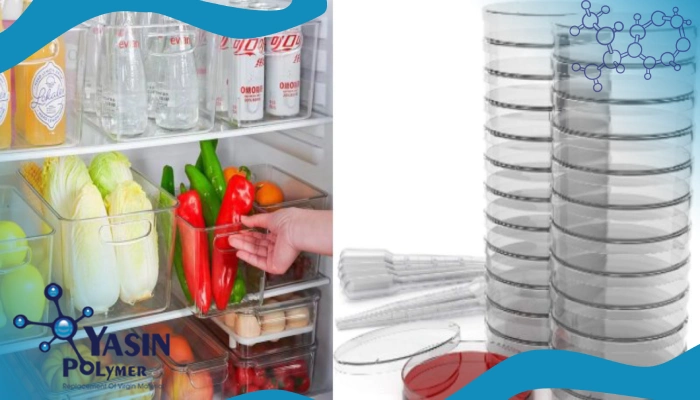
- Refrigerator shelves, vegetable drawers, storage bins, and organizers.
- Cosmetic packaging: jars, compacts, perfume caps, makeup palettes.
- Stationery: rulers, pen bodies, desk organizers (still relevant in emerging markets).
- Toys: rigid transparent parts, model kits, puzzle pieces.
- Kitchen items: disposable cutlery, plates, bowls, and small appliances casings.
-
Electronics & Electrical
- Light diffusers, LED lenses, lamp covers, and signage panels.
- Internal components: battery housings, switch plates, small appliance parts.
- Audio/visual: older CD/DVD cases, speaker grilles, remote control windows.
-
Medical & Laboratory Applications
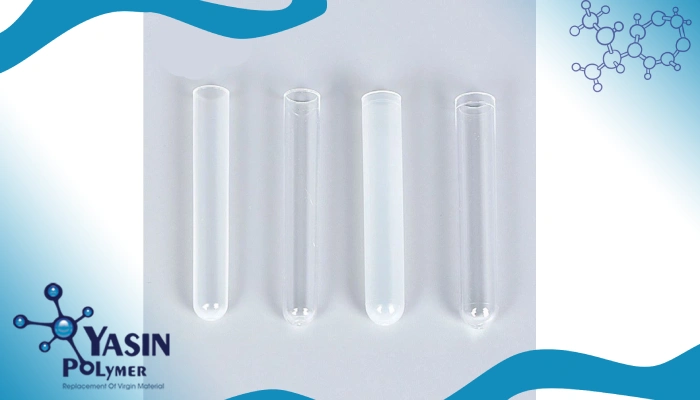
- Petri dishes, test tubes, pipette tips, specimen containers.
- Diagnostic trays, blister packaging for devices, and single-use labware.
- High-clarity parts in diagnostic equipment where sterility and visibility matter.
-
Other Specialized Uses
- BOPS (biaxially oriented polystyrene) sheets for labels and sleeves.
- Model making, architectural models, and hobby products.
- Lighting: diffusers, prismatic panels, and decorative elements.
- Thin-gauge thermoformed products requiring high gloss and detail.
Market data from 2025–2026 shows GPPS holding 60–70% share in solid polystyrene applications, driven by Asia-Pacific growth.
Detailed Comparison Table: GPPS vs. HIPS vs. EPS
| Criterion | GPPS (General Purpose) | HIPS (High Impact) | EPS (Expanded Polystyrene) | Best For… |
| Transparency | Excellent (88–92% light transmission) | Opaque/translucent | Opaque (white foam) | Clear packaging & displays |
| Impact Resistance | Low (brittle, 10–20 J/m) | High (rubber-modified, 5–10× GPPS) | Low | Durability & drop resistance |
| Rigidity/Stiffness | Very high (3000–3400 MPa flexural) | Medium | Very low | Structural parts & thin walls |
| Density | 1.04–1.06 g/cm³ | 1.04–1.08 g/cm³ | 0.01–0.05 g/cm³ (foamed) | Lightweight insulation |
| Heat Resistance (HDT) | 70–85°C | 80–95°C | ~80°C (varies by density) | Moderate temp applications |
| Cost (Relative) | Low | Medium (rubber adds cost) | Low | Budget transparent parts |
| Main Applications | Clear cups, trays, labware, CD cases | Appliance housings, toys, durable packaging | Insulation boards, protective foam, cups | — |
| Recyclability | High (Recycled GPPS Granule) | High | High (Recycled EPS Granule) | Circular economy |
GPPS wins where clarity and cost are paramount; HIPS for toughness; EPS for insulation/foam.
Recycling Trends and Sustainability in 2026
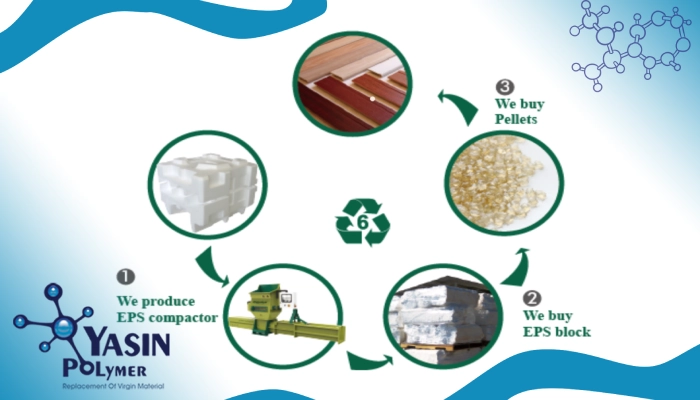
Recycled GPPS Granule is gaining traction amid circular economy mandates. Mechanical recycling dominates: collection → sorting → washing → pelletizing. Chemical recycling (depolymerization to styrene monomer) is emerging for higher purity.
Market insights (2025–2026):
- Global polystyrene recycling growing at 5–8% CAGR.
- Recycled GPPS Granule used in non-food packaging, black goods, and blends.
- Challenges: clarity loss, odor/contamination; solutions include advanced sorting and stabilizers.
- Recycled EPS Granule often separate but co-processed in some facilities.
Yasin Polymer supplies consistent Recycled GPPS Granule meeting quality specs for sustainable production.
Market Trends, Pricing, and Future Outlook for GPPS in 2026
Global polystyrene demand stable at ~19–21 million tons/year, with GPPS ~60%. Growth in Asia (packaging, electronics), offset by single-use restrictions in EU/US. Prices fluctuate with styrene feedstock (~$1000–1500/MT in 2025–2026).
Future: Bio-based styrene pilots, increased recycled content mandates, hybrid formulations. Polystyrene granule iran benefits from feedstock access and export strength.
How to Select the Right GPPS Granule from Suppliers
Key factors:
- MFI tailored to process (high for thin-wall, low for extrusion).
- Residual monomer <0.1%.
- Additives (UV, antistatic, color).
- Certifications (food contact, REACH).
- Consistent supply and testing data.
Yasin Polymer delivers virgin and Recycled GPPS Granule with full traceability.
Conclusion: GPPS – Still a Smart Choice in 2026
Despite sustainability challenges, GPPS thrives due to unmatched clarity, rigidity, processability, and economics. From everyday packaging to precision labware, its role is secure—especially with Recycled GPPS Granule enabling greener cycles.
For top-quality Polystyrene granule iran, virgin GPPS, or sustainable Recycled GPPS Granule / Recycled EPS Granule, contact Yasin Polymer today.
Frequently Asked Questions about GPPS (General Purpose Polystyrene)
1. What exactly is GPPS and how does it differ from other types of polystyrene?
GPPS (General Purpose Polystyrene) is a clear, rigid, and relatively brittle thermoplastic. Unlike HIPS (High Impact Polystyrene), which is tougher and opaque/translucent, or EPS (Expanded Polystyrene), which is foamed and used for insulation, GPPS offers excellent transparency (88–92% light transmission), high gloss, and is ideal for applications where visual clarity is important.
2. What are the main applications of GPPS?
GPPS is widely used in food packaging (disposable cups, clear clamshells, salad bowls, lids), household items (refrigerator trays, storage containers), medical disposables (test tubes, petri dishes, pipette tips), electronics (light diffusers, LED components), and consumer goods (CD/DVD cases, stationery, cosmetic jars). Polystyrene granule is processed via injection molding, extrusion, and thermoforming.
3. Is GPPS safe for food contact?
Yes – many GPPS grades are approved for food contact under FDA, EU Regulation 10/2011, and similar standards, with no harmful migration when used correctly. Always select food-grade Polystyrene granule and avoid using Recycled GPPS Granule for direct food packaging unless certified.
4. What is the difference between GPPS and HIPS – which one should I choose?
GPPS is crystal-clear, glossy, and very stiff but brittle (low impact strength). HIPS is modified with rubber for much higher impact resistance but is opaque or translucent. Choose GPPS when transparency and aesthetics are priorities; choose HIPS when durability and drop resistance matter more. Many manufacturers blend or layer both materials.