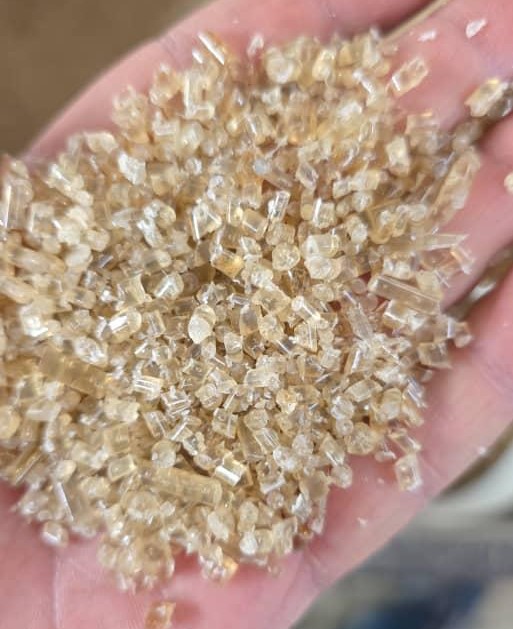
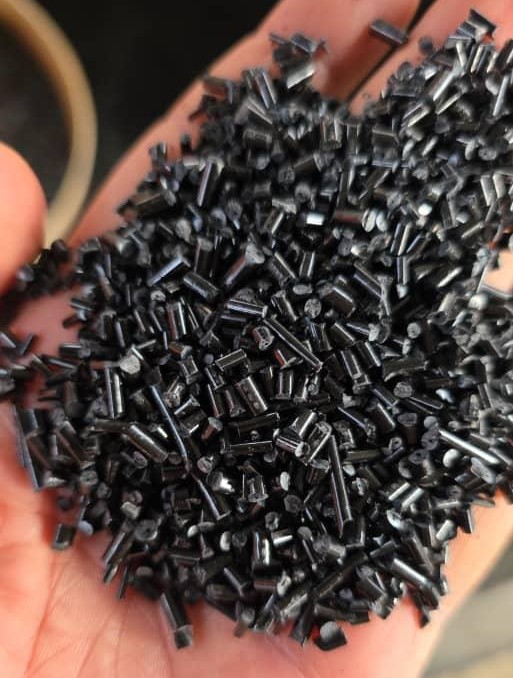
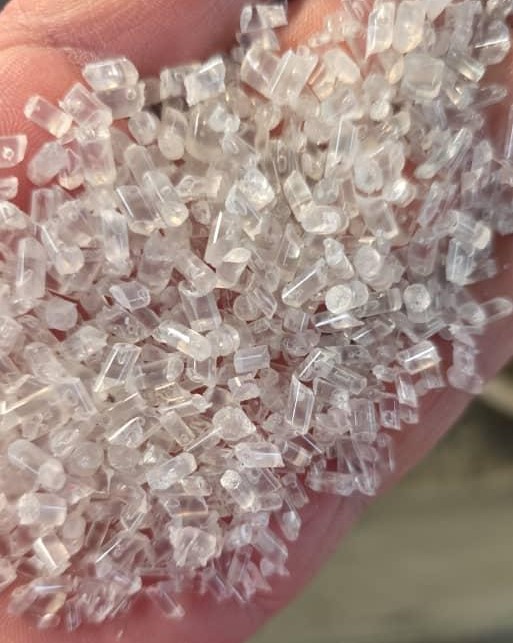
General Purpose Polystyrene(GPPS)
General Purpose Polystyrene (GPPS) is a premier commodity thermoplastic known for its crystal-clear transparency, rigid structure, and exceptional economic value. For global manufacturers sourcing Polystyrene granule, GPPS remains the definitive material of choice for high-volume production due to its ease of processing and aesthetic appeal.
The strategic value of this polymer for engineers and designers lies in its high-gloss finish and superior moldability. Whether you are navigating international markets or specifically looking for Polystyrene granule Iran to optimize your supply chain, GPPS offers a cost-effective solution for non-durable goods. From high-end laboratory ware to everyday consumer packaging, GPPS provides a unique synergy of clarity and functionality.
What is General Purpose Polystyrene (GPPS)
General Purpose Polystyrene (GPPS) is an aromatic polymer made from the styrene monomer. While frequently misunderstood as a crystalline material due to its “crystal” trade name, GPPS is actually an amorphous polymer. This internal molecular structure is precisely what allows light to pass through, granting the material its glass-like clarity.
The “General Purpose” label identifies it as the foundational, unmodified resin. Unlike High Impact Polystyrene (HIPS), which is blended with rubber to increase durability, GPPS maintains the purest form of the polystyrene family, prioritizing optical performance over impact resistance.
Key Properties of General Purpose Polystyrene
GPPS is selected for its specific balance of properties, primarily its clarity and stiffness.
| Property | Value / Description |
| Clarity | Excellent (Often compared to glass or acrylic) |
| Stiffness | High (Rigid material) |
| Impact Strength | Low (Brittle, shatters easily) |
| Cost | Very Low |
| Processing | Excellent (Easy to injection mold) |
| Food Contact | Food Safe (FDA compliant grades exist) |
| UV Resistance | Poor (Tends to yellow in sunlight) |
| Chemical Resistance | Low (Attacked by solvents, oils, and fats) |
Common General Purpose Polystyrene Applications
The unique profile of GPPS makes it the industry standard for several high-demand sectors:
- Optical & Transparent Goods:
- CD and DVD jewel cases
- Laboratory ware (e.g., petri dishes, test tubes, and cuvettes)
- Premium food packaging (e.g., bakery displays and clear egg cartons)
- High-Volume Consumer Items:
- Disposable cutlery and crystal-style cups
- Clear plastic coat hangers
- Stationery items (e.g., pen barrels and office organizers)
GPPS vs HIPS What is the Difference
The most frequent comparison in the industry is between GPPS and HIPS. While both start as Polystyrene granule, the addition of polybutadiene rubber in HIPS creates a significant trade-off.
|
Feature |
General Purpose Polystyrene (GPPS) |
High Impact Polystyrene (HIPS) |
|
Clarity |
Transparent (Clear) |
Opaque (Usually white/milky) |
|
Impact Strength |
Low (Brittle) |
High (Tough, impact-resistant) |
|
Main Use |
Clear packaging, jewel cases |
Housings, yogurt cups, non-clear items |
When to Choose GPPS Over Other Plastics
While the GPPS vs. HIPS decision is usually about toughness versus transparency, choosing between GPPS and other clear plastics involves a different set of trade-offs.
GPPS vs Acrylic (PMMA)
-
Choose GPPS for lower costs and easier processing when high-end optical clarity and long-term UV resistance are not critical.
-
Choose Acrylic (PMMA) for superior optical clarity, UV resistance (non-yellowing), and better scratch resistance, provided the budget allows for higher material costs.
GPPS vs Polycarbonate (PC)
-
Choose GPPS for low-cost, rigid items where extreme durability is not required.
-
Choose Polycarbonate (PC) when the application demands extreme toughness and impact strength (virtually unbreakable). Note that PC is significantly more expensive than GPPS.
Selecting GPPS Over Other Clear Plastics
Choosing the right Polystyrene granule involves comparing GPPS against more expensive clear alternatives:
- GPPS vs. Acrylic (PMMA): Choose GPPS for significant cost savings and faster processing when extreme scratch resistance or long-term UV stability is not required.
- GPPS vs. Polycarbonate (PC): Choose GPPS for rigid, low-cost applications. Opt for PC only when the application requires “unbreakable” impact strength, as PC is substantially more expensive.
Processing General Purpose Polystyrene
Manufacturers favor GPPS because its low melt viscosity allows for incredibly fast cycle times, reducing overhead costs:
- Injection Molding: The primary method for GPPS. Its excellent flow characteristics allow for the creation of intricate, thin-walled parts.
- Extrusion: Used to produce high-clarity sheets for thermoforming or profile shapes.
- Thermoforming: Extruded sheets of GPPS are heated and vacuum-formed into disposable lids, trays, and containers.
Safety and Sustainability
- Food Safety: In its virgin state, GPPS is non-toxic. Many industrial grades are FDA-compliant, making it the standard for food-contact applications.
- Recycling: GPPS is classified under Resin ID Code 6. While 100% recyclable, its economic viability depends on local collection infrastructure.
Processing General Purpose Polystyrene
Manufacturers value GPPS for its exceptional ease of processing, which translates to faster production cycles and lower manufacturing costs.
-
Injection Molding: The most common method. GPPS features low melt viscosity and excellent flow characteristics, allowing for very fast cycle times and the ability to mold intricate details.
-
Extrusion: Used to create sheets (often for thermoforming), solid profiles, and tubes.
-
Thermoforming: Extruded GPPS sheets are heated and vacuum-formed into shapes like disposable cups, lids, and packaging trays.
Safety and Recycling of GPPS
Food Safety In its virgin form, GPPS is non-toxic and chemically stable. Many grades are FDA-compliant for food contact, which is why it is the standard material for items like disposable cutlery, cups, and clear food containers.
Recycling General Purpose Polystyrene is identified by Resin ID Code 6. While it is technically recyclable, the process faces challenges due to limited collection infrastructure and economic factors. However, efforts to improve polystyrene recycling are ongoing globally.
Frequently Asked Questions (FAQ)
Is General Purpose Polystyrene food safe?
Yes, many grades of virgin GPPS are FDA-approved for food contact and are commonly used for items like disposable cutlery, cups, and food containers.
Does General Purpose Polystyrene turn yellow?
Yes, GPPS has poor UV resistance and will turn yellow and become even more brittle if exposed to sunlight for extended periods. It is not recommended for outdoor applications.
Can you laser cut GPPS?
It is not recommended. While it can be cut, it tends to melt, drip, and produce toxic fumes (styrene monomer). Materials like acrylic are far superior for laser cutting.
How can I contact customer support?
Our support team is available via email at [Insert Email] or by phone at [Insert Phone Number]. We are available Monday through Friday from 9 AM to 5 PM to assist you with any inquiries.
Is General Purpose Polystyrene food safe?
Yes, many virgin GPPS grades are FDA-approved and widely used in food service and packaging.
Does General Purpose Polystyrene turn yellow?
Yes, GPPS has low UV resistance. Prolonged exposure to sunlight will cause yellowing and increased brittleness.
Can you laser cut GPPS?
It is generally not recommended. GPPS tends to melt and can release styrene vapors; Acrylic is a better alternative for laser processing.