Industrial Applications of Polystyrene Granules in Iran You Should Know
2025-11-12
Packaging and Transport Guidelines for EPS and GPPS
2025-11-18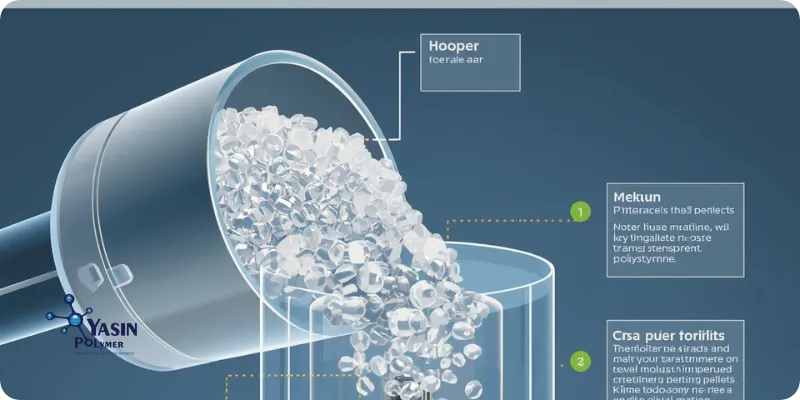
How polystyrene granules are molded and shaped
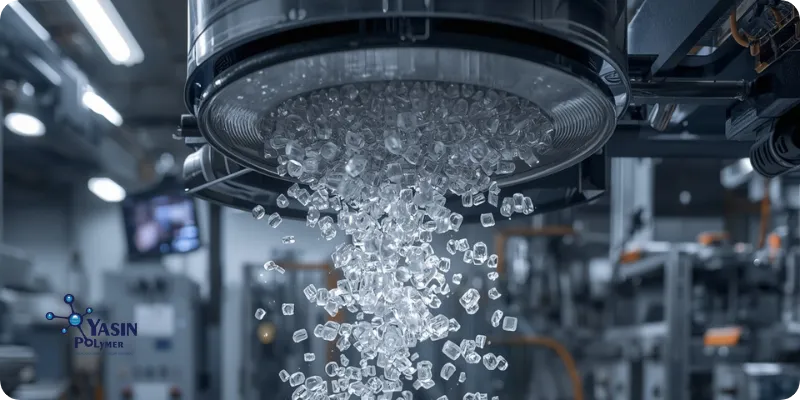
Polystyrene granules are molded and shaped using heat and pressure through three primary methods: injection molding, extrusion, and expandable (EPS) molding. Injection molding creates solid, hard shapes; extrusion produces sheets and films; and EPS molding is used for foam products. But how does a tiny, clear bead become a complex foam package, while a different granule becomes a hard plastic spoon? The secret isn’t just one method it’s three distinct technologies. We’ll break down exactly how each process works, from raw granule to final product, and help you understand which method is used for which product.
What Are Polystyrene Granules?
Before understanding the molding process, it’s crucial to know that not all “polystyrene granules” are the same. The starting material dictates the entire manufacturing method. The two main types are fundamentally different:
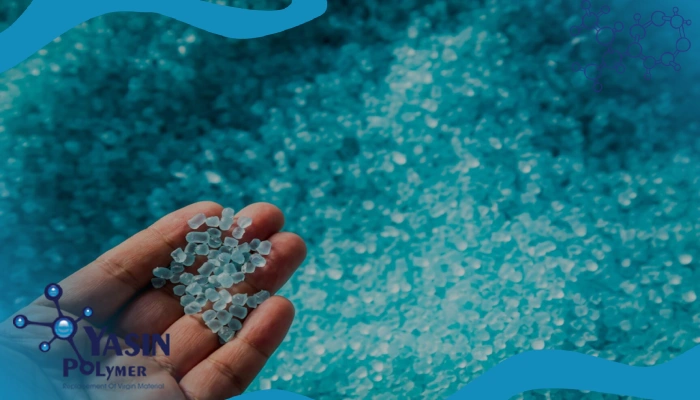
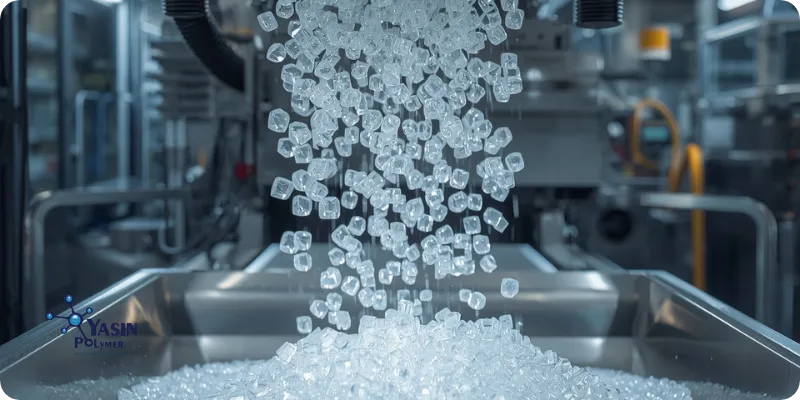
- Solid Polystyrene (GPPS/HIPS): These are small, hard, and often clear or opaque pellets. This material is designed to be melted down to create solid plastic products, such as cutlery or CD cases.
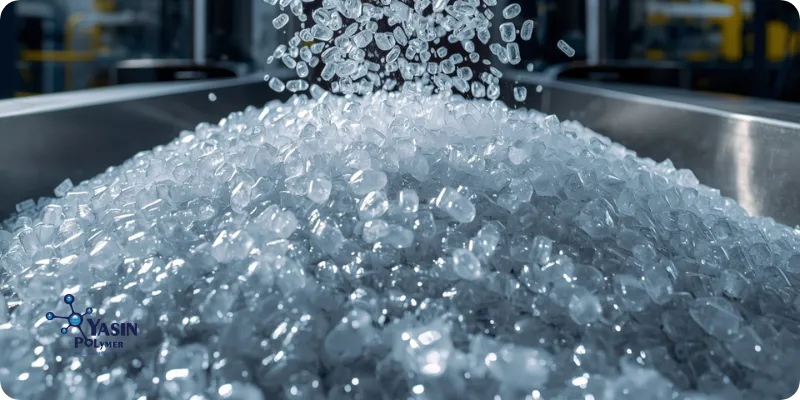
- Expandable Polystyrene (EPS): These are small, hard beads that contain a blowing agent, typically pentane. These beads are not melted; they are expanded using steam to create lightweight foam.
The molding method used depends entirely on which of these two granules you start with.
Injection Molding Polystyrene
Injection molding is the most common process for creating complex, three-dimensional solid plastic parts. This method is ideal for mass-producing identical items like razor handles, electronic housings, and model kits. The process follows four precise steps:
- Melting (Plasticization): Solid polystyrene granules are fed from a hopper into a barrel. Inside, a large rotating screw heats and melts the granules into a hot liquid plastic.
- Injection: The molten plastic is then injected under extremely high pressure into a custom-made, precision-tooled metal mold that is the exact shape of the final part.
- Cooling: The plastic quickly cools and solidifies inside the mold, taking on its exact shape.
- Ejection: The mold opens, and the new, solid plastic part is pushed out by ejector pins, completing the cycle.
Extrusion Molding Polystyrene
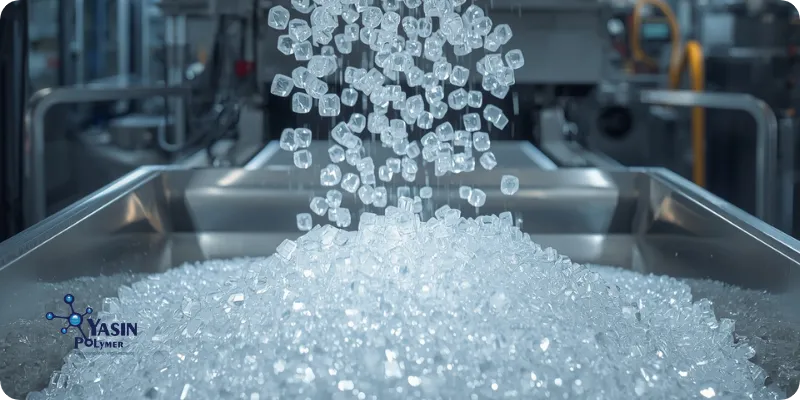
Extrusion molding is used to create continuous two-dimensional shapes, primarily sheets and films, rather than individual objects. In this process, solid granules are melted in a long, heated barrel known as an extruder. The resulting liquid plastic is not injected into a mold, but is instead continuously forced through a shaped opening called a “die.” This die forms the plastic into a continuous sheet or film as it cools. This process is often the critical first step for thermoforming.
What is Thermoforming Polystyrene?
Thermoforming is a shaping technique that uses the polystyrene sheets created during extrusion. It is the process responsible for most thin-walled disposable packaging, such as yogurt cups, disposable coffee cup lids, and food packaging trays. The process is straightforward:
- A sheet of extruded polystyrene is heated until it becomes soft and flexible (pliable).
- The pliable sheet is then draped over a custom mold.
- A vacuum is activated, pulling the sheet tightly against the mold’s surface to form the desired shape.
- The newly formed part is cooled, trimmed from the excess sheet, and ejected.
Expandable Polystyrene (EPS) Molding
This third method is completely different from the others and is used only for Expandable Polystyrene (EPS) granules. This process does not involve melting the plastic; it uses steam to create lightweight foam products, including packaging blocks, insulation, and coolers. It is a multi-stage process.
Step 1: Pre-Expansion
The process begins with the raw EPS beads, which contain the blowing agent pentane. These small, hard beads are fed into a pre-expander vessel and heated with steam. The heat causes the pentane to boil and vaporize, which in turn causes the hard beads to puff up like popcorn, expanding to 40-50 times their original size. The result is lightweight, expanded beads.
Step 2: Curing (Aging)
The newly expanded beads are moist and unstable. They are transferred to large, mesh silos to cool and “cure” for 6 to 24 hours. During this crucial resting step, the pentane inside the beads stabilizes, and air diffuses into the tiny cells. This aging process strengthens the beads and makes them ready for the final molding.
Step 3: Final Steam Chest Molding
Finally, the cured, expanded beads are blown into a final, custom-shaped mold (like the shape of a cooler or protective packaging). More steam is injected into the mold, which causes the beads to expand one last time. This final expansion forces the beads to fuse together, forming a single, solid, lightweight foam block that is the exact shape of the mold.
Polystyrene Molding Process Comparison
| Process | Input Material | Key Action | Common Products |
| Injection Molding | Solid PS Granules | Melt & Inject (High Pressure) | Solid, complex parts (e.g., cutlery, toys, electronics cases) |
| Extrusion | Solid PS Granules | Melt & Force (Through Die) | Continuous sheets, films, pipes (e.g., material for thermoforming) |
| Thermoforming | Extruded PS Sheets | Heat & Vacuum (Over Mold) | Thin-walled packaging (e.g., yogurt cups, food trays, lids) |
| EPS Molding | EPS Beads (with Pentane) | Steam & Expand (In Mold) | Lightweight foam (e.g., packaging blocks, coolers, insulation) |
Conclusion
Polystyrene granules are shaped through three main technologies injection molding, extrusion/thermoforming, and EPS steam molding each designed for a different type of material and product. Solid GPPS and HIPS pellets are melted for injection molding to create rigid, detailed parts, or extruded into sheets that are later thermoformed into lightweight packaging. In contrast, EPS beads containing a blowing agent are never melted; instead, they are expanded with steam and fused in a mold to form foam products like insulation, coolers, and protective packaging. Understanding these distinct processes reveals how the same raw material family can transform into everything from sturdy plastic utensils to airy foam blocks.
Polystyrene Molding FAQ
What is the difference between polystyrene and “Styrofoam”?
“Styrofoam” is a brand name for a specific type of extruded polystyrene (XPS) foam, usually blue and used for insulation. The white foam used in packaging is Expandable Polystyrene (EPS), which is molded using the steam chest method.
Can molded polystyrene be recycled?
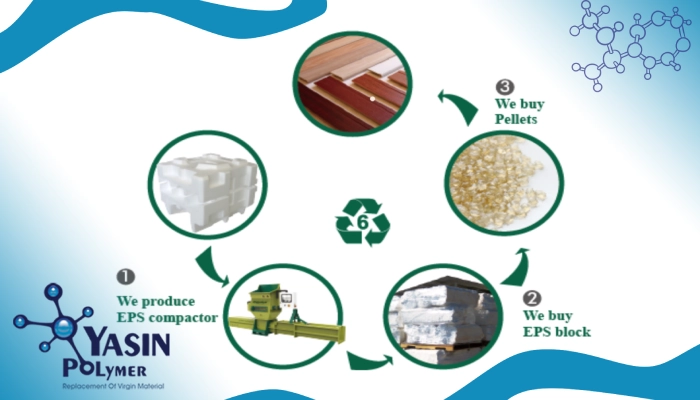
Yes, but it can be difficult. Solid polystyrene (like cups) is recycled as “Number 6” plastic, but many local programs don’t accept it. EPS foam is technically recyclable, but it’s 98% air, making it expensive to collect and transport, so it is rarely accepted in curbside bins.
What are HIPS and GPPS polystyrene?
These are two common types of solid polystyrene granules. GPPS (General Purpose Polystyrene) is clear and brittle (like a CD jewel case). HIPS (High Impact Polystyrene) is opaque and tougher (like a yogurt cup) because rubber has been added to it.
Is polystyrene molding expensive?
The main cost is the mold (tooling), which can cost thousands of dollars. This makes processes like injection molding and EPS molding expensive to set up, but very cheap per part once you are making thousands of items.