How Recycled EPS Granules Are Boosting Eco-Friendly Manufacturing
2025-11-08
How polystyrene granules are molded and shaped
2025-11-16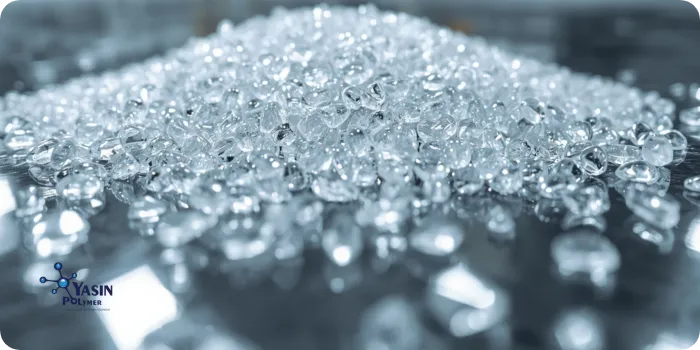
Industrial Applications of Polystyrene Granules in Iran You Should Know
Polystyrene (PS) granules are a highly versatile and cost-effective thermoplastic polymer widely used across Iran’s key industrial sectors. The most significant applications include construction (primarily for thermal insulation), packaging (for both food-grade containers and protective buffering), and the manufacturing of home appliances and electronics (for casings and components). This comprehensive guide explores the different types of polystyrene, their specific uses within these critical Iranian industries, and identifies the major local producers.
What Are Polystyrene Granules?
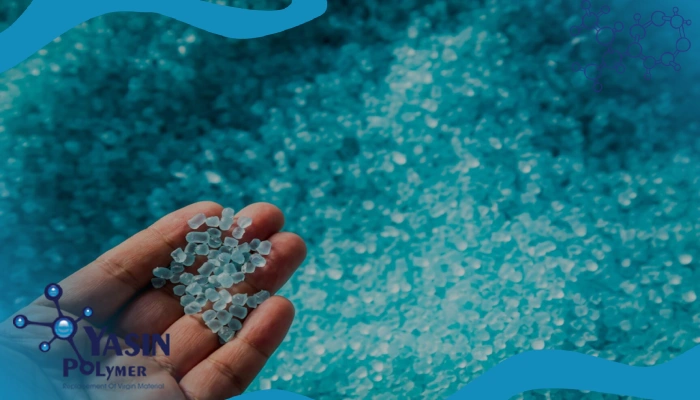
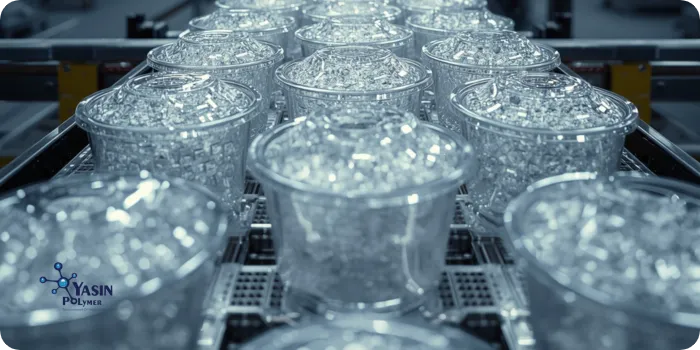
Polystyrene granules are the raw, pelletized form of polystyrene, a highly versatile synthetic polymer derived from the monomer styrene. This material is valued for several key properties: it is inherently lightweight, provides excellent thermal insulation when expanded into its foam state (like Styrofoam), and offers good rigidity in its solid form. Furthermore, polystyrene is easily processed using common manufacturing techniques such as injection molding and extrusion, allowing it to be molded into a vast array of products.
The Main Types of Polystyrene Available in the Iranian Market
Polystyrene is not a single material but a versatile family of thermoplastic polymers. The specific grade chosen for an application depends entirely on the required properties, such as clarity, impact strength, or insulation value. In the Iranian market, four main types of polystyrene are widely used across various industries, each known by specific trade or common names.
| Polystyrene Type | Common Name in Iran | Key Properties | Primary Industrial Use |
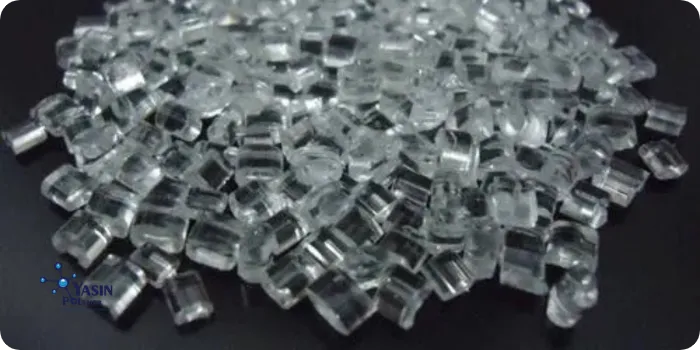
| GPPS (General Purpose Polystyrene) | “Polystyrene Kristal” | Clear, excellent transparency, rigid, but brittle. | Food packaging (e.g., disposable cups, containers), CD/DVD cases, lab equipment. |
| HIPS (High Impact Polystyrene) | “HIPS” or “Polystyrene Moghavem” | Opaque, tough, high impact-resistance (due to rubber additives). | Housings for electronics (TVs, AC units), yogurt cups, toys, refrigerator liners. |
| EPS (Expanded Polystyrene) | “Yonolit” or “Plastofoam” | Extremely lightweight (98% air), excellent thermal and acoustic insulator, high shock absorption. | Building insulation (walls, ceilings), protective packaging for electronics, void filler in civil engineering (e.g., roads). |
| XPS (Extruded Polystyrene) | “XPS” or “Foam Sazeh” | High-density, closed-cell foam, high compressive strength, highly water-resistant. | Heavy-duty thermal insulation (floors, roofs, foundations), cold storage facilities, building boards. |
Core Industrial Applications of Polystyrene (PS) in Iran (By Sector)
Construction & Building (The “Yonolit” Revolution)
Expanded Polystyrene (EPS), widely known in Iran as “Yonolit”, represents the single most dominant application of polystyrene in the country. This material is not just a preference but a critical component for adhering to national energy efficiency standards, particularly “Mabhas 19” (National Building Regulations Topic 19), which mandates thermal insulation in all new construction.
- Thermal Insulation: EPS panels are extensively used in walls (both internal and external layers) and roofs to minimize thermal bridging, reducing the transfer of heat in summer and cold in winter.
- Acoustic Insulation: High-density EPS sheets are applied between floors and in partition walls to effectively dampen sound transmission.
- False Ceilings: The material is fabricated into lightweight, easy-to-install decorative and insulating ceiling panels.
- Structural Blocks: In Iran’s common “block-and-slab” roofing systems, EPS blocks are used as a lightweight alternative to traditional, heavy concrete or clay blocks.
- Void Fillers: As a “geofoam,” EPS is used in major civil engineering projects, such as road and bridge embankments, to provide a stable, lightweight fill material, reducing pressure on underlying soil.
Packaging Industry (Food, Medical, and Protective)
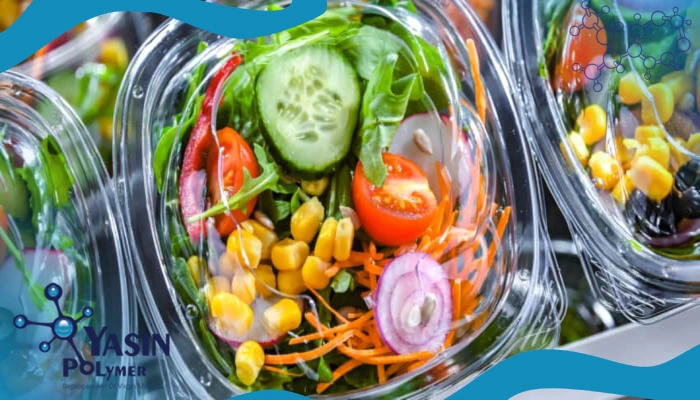
Polystyrene is essential to Iran’s domestic food processing, restaurant, and manufacturing industries, prized for its low cost, hygiene, and versatility. Food-grade PS is considered safe for these applications and is used ubiquitously across the country.
- Food Packaging (GPPS/HIPS): This includes a vast range of products such as disposable cutlery (spoons, forks), clear beverage cups, yogurt cups, egg cartons, and single-use containers frequently used for “Nazri” (charitable food offerings) or by takeout restaurants.
- Protective Packaging (EPS): Custom-molded EPS foam inserts are standard for protecting high-value electronics (like televisions, refrigerators, and computers) and various home appliances manufactured within Iran during shipping and handling.
- Medical & Pharmaceutical: A high-purity, often overlooked application involves the use of rigid polystyrene for manufacturing sterile, disposable items like petri dishes, test tubes, and other forms of diagnostic or sterile packaging.
Home Appliances & Electronics Manufacturing
High Impact Polystyrene (HIPS) is the material of choice for Iran’s robust home appliance manufacturing sector. Its excellent impact resistance, rigidity, and smooth, high-gloss finish make it ideal for both structural internal parts and aesthetic outer casings. Specific, common examples include the inner liners and shelves of domestically-produced refrigerators, the main bodies of air conditioner units, television frames (bezels), and the outer shells for vacuum cleaners.
Automotive Industry
In Iran’s significant domestic automotive industry, lightweight HIPS and other specialized polystyrene grades are extensively used by major manufacturers like Iran Khodro and Saipa. These materials are primarily applied to interior components such as dashboard panels, door liners, interior trim pieces, and molded EPS parts for sound dampening. The primary advantage of using PS in this sector is the significant weight reduction it offers, which contributes directly to the improved fuel efficiency of the vehicles produced.
Advantages vs. Limitations of Using Polystyrene
| Advantages | Limitations & Considerations |
| Low Cost & Accessibility: It is a cost-effective and widely available polymer, including in markets like Iran. | Flammable: Standard EPS/XPS foams are flammable and require flame-retardant additives for safe use in construction. |
| Excellent Insulator: Both EPS (Expanded Polystyrene) and XPS (Extruded Polystyrene) offer excellent thermal and acoustic insulation properties. | Poor UV Resistance: It can degrade and become brittle when exposed to direct sunlight for extended periods. |
| Lightweight: Its low density reduces transportation costs and decreases the overall structural load on buildings. | Environmental Impact: Polystyrene, especially EPS foam, is difficult to recycle and contributes to plastic waste issues. |
| Easy to Process: It can be easily manufactured into various shapes using common methods like injection molding and extrusion. | Low Chemical Resistance: It has poor resistance to many solvents (like acetone or gasoline) and can be easily dissolved. |
| Good Impact Resistance: High-Impact Polystyrene (HIPS) is a specific grade modified to be durable and withstand impacts. | |
| Hygienic (Food Safe): Specific grades of polystyrene are approved for direct food contact (e.g., yogurt cups, cutlery), as they are hygienic and do not easily harbor bacteria. |
The “Unseen Angle”: Recycling & Environmental Standards in Iran
While Polystyrene is technically recyclable, its practical recovery in Iran faces significant challenges. The primary environmental concern stems from a lack of developed infrastructure for the collection and processing of post-consumer PS, particularly Expanded Polystyrene (EPS), commonly known as “Yonolit.” This issue is compounded by the widespread use of single-use PS products, such as food containers, which are difficult to manage. Without comprehensive national recycling programs dedicated to this material, a vast amount of Polystyrene waste unfortunately ends up in landfills, leading to long-term environmental concerns. This honest assessment highlights a critical gap between the material’s potential and its current lifecycle in the region.
How to Select the Right PS Grade for Your Industrial Needs
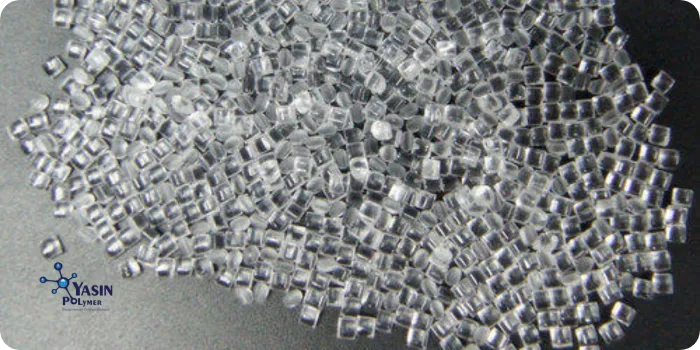
Selecting the correct grade of Polystyrene (PS) is a critical decision that directly impacts product performance, manufacturability, and cost. Using a sub-optimal grade can lead to field failures, regulatory non-compliance, or unnecessary processing challenges. This guide outlines a systematic, five-step process for engineers, procurement specialists, and product designers to accurately specify the right PS grade for any application.
- Define Your Application’s Function First, clearly map out the primary function of the end product. The demands of the application are the most important filter. Are you manufacturing single-use items (packaging), a product requiring thermal insulation (construction), or a durable housing for electronics (a structural part)? This initial definition dictates the required performance profile.
- Identify Key Property Needs Once the function is defined, match it to the three main families of Polystyrene. Each is engineered for different properties:
- For Clarity and Rigidity: If your application demands high transparency, stiffness, and a glossy finish (e.g., cosmetic packaging, light diffusers, CD jewel cases), General Purpose Polystyrene (GPPS) is the standard choice.
- For Toughness and Impact: For applications requiring durability and resistance to impact (e.g., refrigerator liners, electronic enclosures, thermoformed trays), High Impact Polystyrene (HIPS), which is fortified with rubber, is essential.
- For Insulation and Lightweighting: If the primary need is thermal insulation, energy absorption, or sound dampening (e.g., building insulation, protective packaging, geofoam blocks), Expanded Polystyrene (EPS) is the correct grade.
- Check for Special Requirements (Regulatory & Safety) Many industrial applications have non-negotiable standards. You must verify if your product requires special certification:
- Food-Grade: Will the part make contact with food or beverages (e.g., yogurt cups, disposable cutlery)? If yes, you must select a “Food-Grade” certified grade that complies with relevant health regulations.
- Flame-Retardant (FR): For use in construction materials or electronic appliances, “Flame-Retardant (FR)” grades (often rated by UL94) are frequently mandated by safety codes to prevent fire propagation.
- Consult the Technical Data Sheet (TDS) Never procure a material based on its name alone. Always request and analyze the Technical Data Sheet (TDS) from the supplier (e.g., Tabriz Petrochemical or other major producers). This document contains the verified specifications. Pay close attention to:
- Melt Flow Index (MFI): This determines the material’s viscosity during processing. A higher MFI is needed for complex, thin-walled injection molded parts, while a lower MFI provides better melt strength for extrusion.
- Impact Strength (e.g., Izod): This is a critical metric for HIPS, quantifying the material’s ability to withstand shock and impact.
- Heat Deflection Temperature (HDT): This indicates the temperature at which the material will begin to deform under load.
- Source from Reliable and Traceable Suppliers Material consistency is key to stable manufacturing. Ensure your supply chain is secure by sourcing from established channels. In markets like Iran, this typically involves procuring large-volume orders directly via the Iran Mercantile Exchange (IME) or working through established, reputable petrochemical traders who can guarantee material traceability, consistent quality, and access to the correct documentation.
Conclusion
In conclusion, polystyrene granules play a pivotal role in Iran’s industrial landscape due to their versatility, affordability, and adaptability across key sectors such as construction, packaging, and home appliance manufacturing. From energy-efficient insulation materials like EPS “Yonolit” to durable, high-impact HIPS components for electronics and appliances, polystyrene supports both large-scale infrastructure projects and everyday consumer products. However, despite its technical and economic advantages, the industry faces growing challenges related to environmental sustainability and recycling infrastructure. As Iran continues to modernize its industrial base and align with global energy and environmental standards, developing efficient recycling systems and promoting responsible use of polystyrene materials will be essential steps toward a more sustainable and resilient industrial future.
Frequently Asked Questions (FAQ)
What is “Yonolit” made of?
Yonolit is the common brand name in Iran for Expanded Polystyrene (EPS). It is a lightweight foam made of 98% air and 2% polystyrene, used primarily for insulation.
Is polystyrene produced in Iran?
Yes, Iran has several major petrochemical companies, such as Tabriz, Pars, and Khouzestan Petrochemical, that produce various grades of polystyrene granules, making the country self-sufficient.
Is polystyrene toxic or safe for food?
Polystyrene itself is inert and non-toxic. Specific “Food-Grade” (e.g., GPPS and HIPS) are tested and approved safe for contact with food and are widely used for yogurt cups, disposable containers, and cutlery in Iran.
What is the price of polystyrene granules in Iran?
The price is not fixed. It fluctuates based on global oil prices and is primarily determined by trades on the Iran Mercantile Exchange (IME). You must check the IME for current pricing or contact a local supplier.