Recycled vs. Virgin GPPS Granules: Key Differences, Benefits & Choosing the Right Option
2025-11-05
Industrial Applications of Polystyrene Granules in Iran You Should Know
2025-11-12
How Recycled EPS Granules Are Boosting Eco-Friendly Manufacturing
Recycled EPS (Expanded Polystyrene) granules boost eco-friendly manufacturing in two primary ways: first, they divert bulky, non-biodegradable plastic waste from landfills, and second, they provide a cost-effective, lightweight, and versatile raw material for new products. This “circular economy” approach allows manufacturers to significantly reduce their carbon footprint by minimizing virgin plastic production. Furthermore, using recycled EPS lowers production costs and helps companies meet the growing consumer demand for sustainable goods, turning a problematic waste stream into a valuable industrial resource.
What Are Recycled EPS Granules?
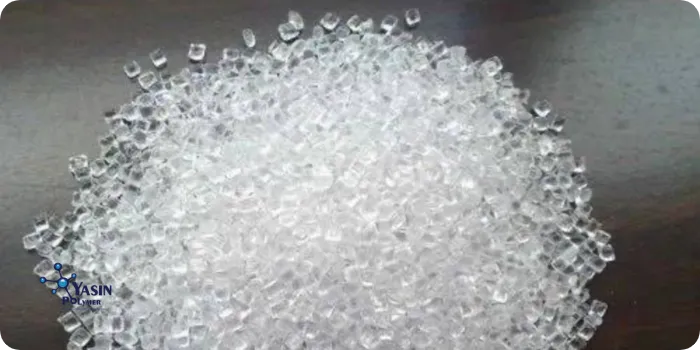
Expanded Polystyrene (EPS), commonly known by the trademarked name Styrofoam, is a rigid cellular plastic foam prized for its unique properties. It consists of 98% air, making it exceptionally lightweight, yet it serves as an excellent thermal insulator and shock absorber. Recycled EPS Granules are the valuable end-product of a comprehensive recycling process. This process involves collecting used EPS waste, then meticulously cleaning, compacting (to remove the air), and grinding it into small pellets or granules. Critically, these recycled granules retain the beneficial properties of the original virgin material—including its light weight and insulation capabilities—transforming post-consumer waste into a valuable and sustainable commodity for new manufacturing applications.
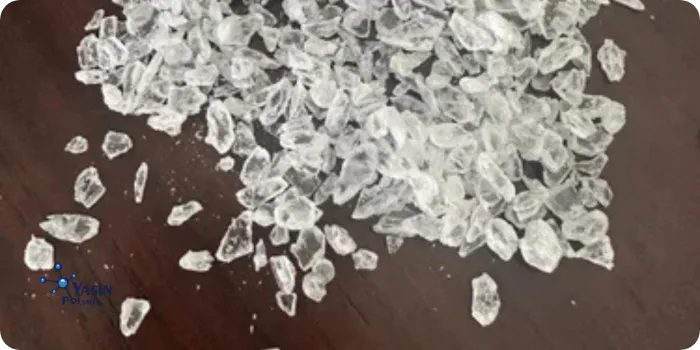
Why Virgin EPS Manufacturing is Not Eco-Friendly
Manufacturing virgin Expanded Polystyrene (EPS) presents significant environmental challenges, establishing a clear need for sustainable alternatives like recycling. The core issues stem directly from its production process and end-of-life characteristics:
- Dependency on Fossil Fuels: Virgin EPS is a petroleum-based plastic, meaning its production relies heavily on non-renewable resources like crude oil and natural gas.
- Energy-Intensive Production: The process of converting these raw materials into the lightweight foam used in packaging and insulation requires a substantial amount of energy, contributing to a larger carbon footprint.
- Landfill Crisis: Because EPS is over 95% air, it is bulky yet lightweight. This low-density foam takes up a disproportionately large volume in landfills, accelerating their fill rates.
- Slow Decomposition: EPS is not biodegradable and can persist in the environment for hundreds of years. Instead of breaking down harmlessly, it fragments into smaller pieces known as microplastics, which contaminate soil and waterways.
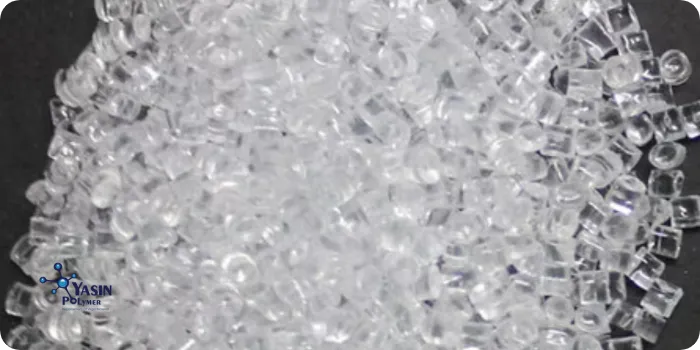
The EPS Recycling Process Explained
- Collection and Sorting: The process begins by gathering post-consumer EPS, such as used packaging and cups, along with post-industrial scrap from manufacturing. At this stage, it is crucial to separate the foam from all contaminants, especially food waste, liquids, and other types of plastic, to ensure a pure material stream.
- Cleaning and Washing: Once sorted, the collected foam undergoes a thorough washing process. This step removes any remaining labels, tape, dirt, and food residue, ensuring the material is clean and ready for the next stage.
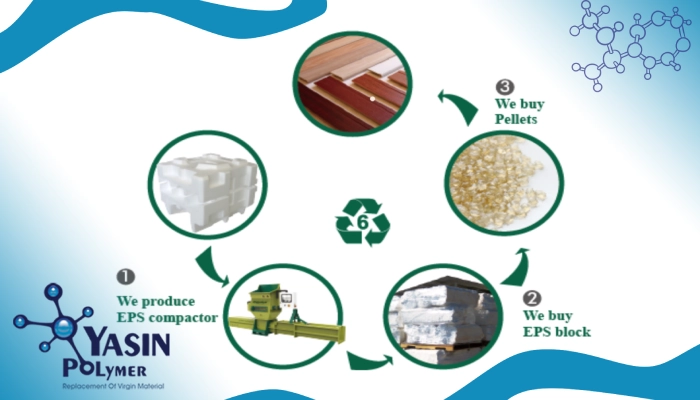
- Compaction and Densification: This is the most critical step. The clean, bulky foam is fed into specialized machines called “densifiers.” These machines use either heat or cold compaction to extract the air trapped within the foam (which constitutes over 95% of its volume). This dramatically reduces the material’s size, often at a ratio of up to 90:1, and transforms it into dense, solid “ingots” or “bricks.”
- Grinding and Granulation: The dense ingots are then fed into granulators (industrial shredders or grinders). These machines break down the solid blocks into small, uniform beads or granules. This final product is a stable, easy-to-transport raw material, ready to be sold to manufacturers for use in new products like picture frames, insulation, or park benches.
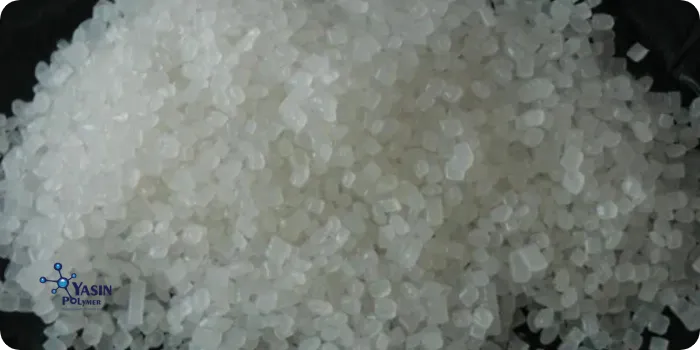
Key Applications of Recycled EPS in Sustainable Manufacturing
Lightweight Construction and Geofoam
Recycled EPS granules are a key ingredient in manufacturing lightweight concrete, which significantly reduces the overall structural load on a building while simultaneously improving its thermal insulation (R-value). Furthermore, large blocks of reformed EPS, known as geofoam, serve as a stable and lightweight fill material. This geofoam is crucial in civil engineering for constructing road embankments, supporting retaining walls, and creating the sloped seating in stadiums. The “boost” is multi-faceted: it lowers overall construction material costs by replacing heavier fills, improves building energy efficiency, and reduces transport-related emissions due to the significantly lighter weight of the materials.
Eco-Friendly Insulation Panels
In a prime example of a closed-loop system, recycled EPS granules are re-melted, processed, and pressed into new rigid insulation boards. These eco-friendly panels are then used in new construction and retrofitting projects for insulating walls, roofs, and floors. This process provides a significant “boost” by creating a ‘green’ alternative to virgin foam insulation that offers comparable thermal performance. It allows the building industry to move toward a more circular model, turning old building material waste back into a valuable, high-performance product.
Sustainable Packaging Solutions
Recycled EPS granules are commonly repurposed as protective loose-fill “peanuts” for shipping. More strategically, they are melted and remolded into new, custom-fit protective packaging for high-value items like electronics and appliances. This application is a massive “boost” for manufacturers, enabling them to launch effective “take-back” programs. By recycling their own packaging waste into new packaging, companies can achieve tangible circular economy goals, reduce reliance on virgin materials, and significantly enhance their sustainable brand image.
Innovative Composite Materials
One of the most innovative applications involves melting recycled EPS granules and blending them with other materials, such as wood fiber or recycled plastics. This mixture is then extruded to create durable composite lumber for decking, fencing, and outdoor furniture. On a smaller scale, this material is molded into everyday items like picture frames, coat hangers, and decorative architectural moldings. The “boost” here is transformative: it creates entirely new, value-added product lines from a 100% recycled feedstock. This process opens new markets for sustainable goods, turning a problematic waste stream into a profitable and durable consumer product.
Horticulture and Agriculture
In the horticulture industry, small granules of recycled EPS serve as a highly effective soil amendment. It is mixed into potting soils and garden substrates to improve soil aeration and drainage, functioning as a direct replacement for mined materials like perlite or vermiculite. This application provides the horticulture industry with a sterile, pH-neutral, and lightweight component for its products. It perfectly solves a key manufacturing need (creating optimal growing media) by upcycling a readily available recycled resource instead of extracting new virgin materials.
The Manufacturer’s Edge: Quantifying the Economic and Environmental Boost
| Benefit Type | Detailed Impact on Manufacturing |
| Economic Boost | Reduced Raw Material Costs: Recycled EPS granules are consistently cheaper than virgin polystyrene resins. |
| Economic Boost | Lower Waste Disposal Fees: Manufacturers can avoid landfill “tipping fees” by recycling their own post-industrial EPS scrap. |
| Environmental Boost | Reduced Carbon Footprint: Manufacturing with recycled EPS uses significantly less energy (up to 70% less) than producing virgin polymer. |
| Marketing & Brand Boost | “Green” Credentials: Products can be marketed as “made with recycled content,” meeting consumer demand and corporate sustainability goals (CSGs). |
Challenges and Solutions in EPS Recycling
While EPS (Expanded Polystyrene) is technically recyclable, its successful recycling faces a significant logistical challenge: collection and transportation. Because EPS is approximately 98% air, it is extremely lightweight yet very bulky. This low density means transporting it in its original form is often not cost-effective, as trucks fill up by volume long before reaching an efficient weight, leading to high fuel costs for minimal material yield. The primary solution to this economic hurdle lies in decentralized compaction. By using specialized equipment like densifiers or compactors at municipal collection points or large retail locations, the EPS volume can be reduced by a ratio of up to 90:1. This densified material becomes a compact, heavy block, making it economically viable to transport to recycling facilities.
Conclusion
In summary, the effective use of recycled Expanded Polystyrene (EPS) is a prime example of the circular economy in action, successfully converting waste streams into high-value, sustainable manufacturing materials. As we look to the future, the industry is advancing toward the next frontier of “infinite” recycling through chemical processes. This emerging technology, which breaks used EPS back down into its original styrene monomer, promises to close the production loop entirely and will further accelerate the shift toward truly eco-friendly manufacturing.
Frequently Asked Questions (FAQ)
Are recycled EPS granules as strong as virgin material?
Yes, for the majority of applications, recycled EPS granules retain the same essential physical properties as virgin material. Key characteristics like excellent thermal insulation, light weight, and effective shock absorption remain fully intact after the recycling process. For certain high-stress structural applications, recycled granules are often blended with virgin material or other additives to ensure optimal performance and integrity.
Can all types of “Styrofoam” be recycled into granules?
No, not all expanded polystyrene (EPS) products are ideal for recycling into granules. The most suitable materials are “clean” EPS items, such as protective packaging blocks (used for electronics or furniture) and insulation boards. Foam products that are heavily contaminated with food waste, like used meat trays, coffee cups, or fast-food containers, are typically not accepted in most commercial recycling streams due to contamination and hygiene issues.
How can a business start recycling its EPS waste?
Starting an EPS recycling program for your business involves finding a qualified local partner. The most direct, actionable step is to contact your current waste management provider or local recycling facility to inquire if they accept commercial EPS. Additionally, you can use the official EPS Industry Alliance (EPS-IA) directory to search for an approved collection center or recycling partner in your specific region.