Innovative Applications of EPS in Food Packaging, Insulation, and More
2025-11-01
How Recycled EPS Granules Are Boosting Eco-Friendly Manufacturing
2025-11-08
Recycled vs. Virgin GPPS Granules: Key Differences, Benefits & Choosing the Right Option
General Purpose Polystyrene (GPPS) granules form the backbone of countless everyday plastic products, known for their clarity, rigidity, and ease of processing. When selecting GPPS for manufacturing, a crucial decision arises: should you opt for virgin material, produced directly from raw petrochemicals, or choose recycled GPPS, derived from post-consumer or post-industrial waste? Understanding the fundamental differences between these two types, recognizing the unique benefits each offers, and knowing how to choose the right option based on application requirements and sustainability goals is vital. This guide provides a clear comparison to help you make an informed decision for your specific needs.
What Are GPPS Granules: Understanding Virgin and Recycled Basics
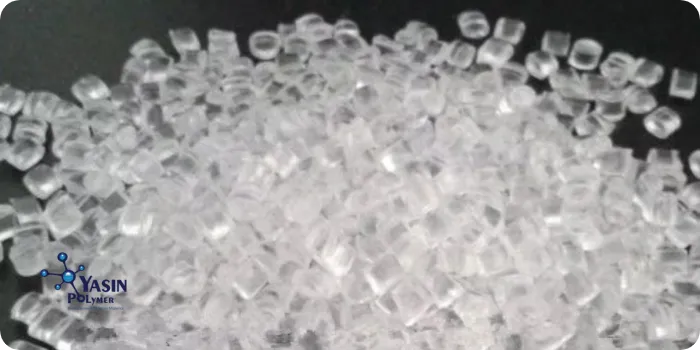
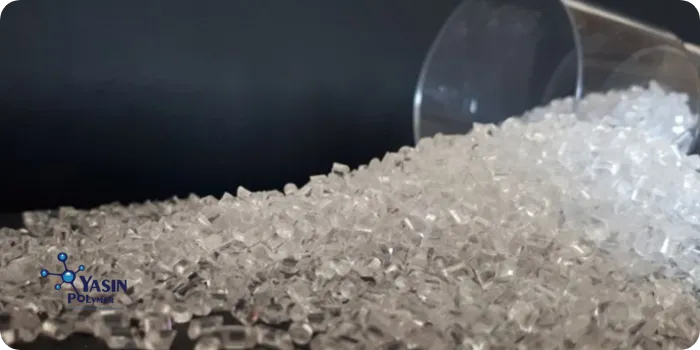
General Purpose Polystyrene (GPPS) is a versatile, clear, and somewhat brittle thermoplastic polymer. It’s widely used due to its ease of processing, good clarity, and cost-effectiveness. In manufacturing, it’s typically supplied and handled in the form of small granules or pellets.
Virgin GPPS refers to polystyrene granules produced directly from raw petrochemical feedstocks, specifically styrene monomer. This is ‘new’ or ‘prime’ material, manufactured to specific standards. Key characteristics include:
- High Purity: Made from fresh, uncontaminated raw materials.
- Consistent Quality: Predictable properties like clarity, strength, and processing behavior batch after batch.
- Optimal Performance: Generally offers the best mechanical and optical properties inherent to GPPS.
Recycled GPPS, on the other hand, is derived from polystyrene waste. This waste can come from two main streams:
- Post-Consumer: Items used and discarded by consumers (e.g., disposable cups, food packaging like yogurt pots, CD cases).
- Post-Industrial: Scrap or rejected material generated during manufacturing processes.
This collected waste undergoes processing – cleaning, sorting, melting, and re-pelletizing – to create recycled GPPS granules. The quality and properties of recycled GPPS can vary depending on the source material and the thoroughness of the recycling process.
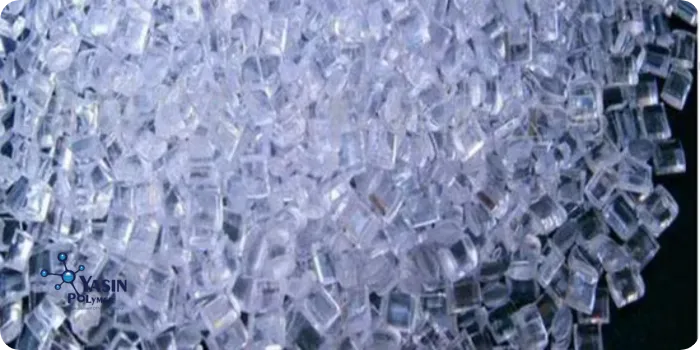
Virgin GPPS vs. Recycled GPPS: Head-to-Head Comparison of Key Differences
| Feature | Virgin GPPS (General Purpose Polystyrene) | Recycled GPPS (General Purpose Polystyrene) |
| Source & Origin | Derived directly from petrochemical feedstock (styrene monomer). | Obtained from post-consumer or post-industrial waste streams (e.g., used packaging, manufacturing scrap). |
| Purity & Consistency | High purity and very consistent properties batch-to-batch. Predictable performance. | Purity and consistency can vary depending on the waste source quality and the thoroughness of the recycling process. May contain minor contaminants. |
| Physical Properties | MFI: Specific, narrow range per grade. Density: Consistent (~1.04 g/cm³). Clarity: High transparency, excellent clarity. Color: Typically water-clear or specific colors with high consistency. | MFI: Can have a broader range or shift compared to virgin. Density: Generally similar, but minor variations possible. Clarity: Often lower clarity; may exhibit slight haze. Color: Can show slight yellowing or color variations; less consistent. |
| Mechanical Properties | Generally optimal and highly predictable tensile strength, impact resistance (though naturally brittle), and rigidity for GPPS. | Mechanical properties can be slightly lower or more variable than virgin counterparts. Impact resistance might be further reduced. Rigidity usually remains similar. |
| Processing | Predictable processing parameters (temperature, pressure). Usually requires less stringent drying. | May require adjustments in processing temperatures. Often benefits from more thorough drying and potentially melt filtration to remove impurities. |
| Appearance | Maximum clarity, colorless (unless intentionally colored), free from visible defects like black specks. | May exhibit slight haze, a yellowish tint, or occasional black specks depending on the recycling quality. |
| Regulatory Compliance | Easier to meet stringent regulations for applications like food contact (FDA) or medical devices due to known origin and high purity. | Requires specific certifications and rigorous testing to comply with food contact or medical regulations, depending heavily on the source material and processing. |
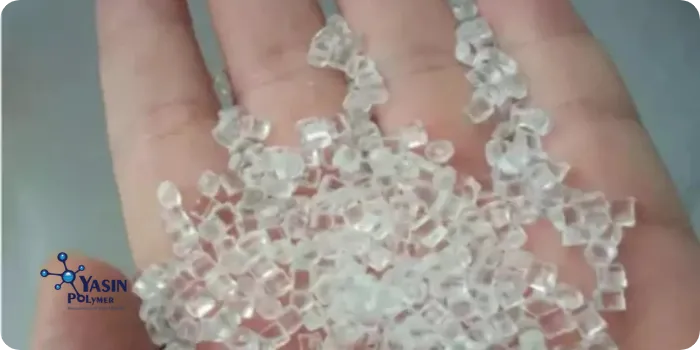
The Advantages of Using Recycled GPPS Granules
Using recycled GPPS granules offers multiple advantages for manufacturers, businesses, and the environment. These benefits make recycled GPPS not only an eco-friendly choice but also a smart economic decision for sustainable production.
Key Benefits:
- Environmental Sustainability: Recycled GPPS helps reduce landfill waste and conserves non-renewable resources like fossil fuels. By minimizing the need for virgin material, it lowers the overall carbon footprint of production. This supports the principles of the circular economy, where materials are continuously reused rather than discarded.
- Cost Savings: One of the most notable advantages is the lower purchase cost. Recycled GPPS is typically more affordable than virgin GPPS, enabling manufacturers to reduce material expenses without compromising quality.
- Energy Conservation: Producing recycled GPPS requires significantly less energy compared to creating new polymers from raw materials, further enhancing its environmental efficiency.
- Marketing & Brand Image: Companies that adopt recycled materials strengthen their sustainability image. This appeals to environmentally conscious consumers and helps businesses meet corporate social responsibility (CSR) goals.
- Regulatory Incentives: In many regions, governments offer incentives or compliance advantages for using recycled materials, making it both an ethical and financially strategic choice.
Overall, the use of recycled GPPS granules delivers a dual benefit — it reduces environmental impact while lowering production costs, making it an essential component of modern, responsible manufacturing.
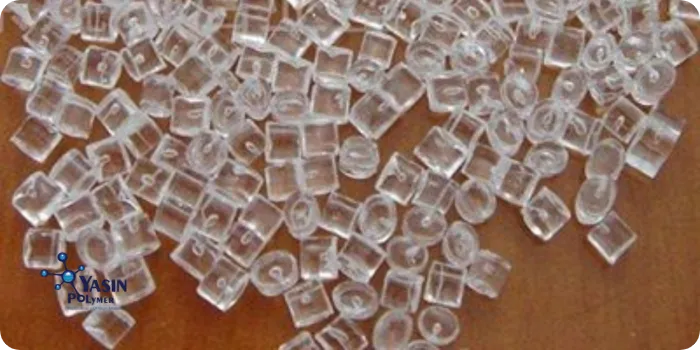
The Advantages of Using Virgin GPPS Granules
Using virgin GPPS (General Purpose Polystyrene) granules offers several key benefits that make them the preferred choice for high-performance and precision applications:
- Maximum Quality & Consistency: Each batch delivers predictable properties, ensuring reliable performance during processing and consistent final product quality.
- Optimal Clarity and Appearance: Ideal for applications requiring high transparency, vibrant colors, or flawless aesthetics, making it suitable for premium consumer products.
- Superior Mechanical Performance: Virgin GPPS often provides slightly higher strength, rigidity, and impact resistance compared to recycled alternatives, supporting demanding manufacturing needs.
- Easier Regulatory Compliance: Meets strict standards for food contact, medical devices, and toy safety, reducing certification challenges and ensuring end-user safety.
- Wider Range of Grades: Available in specialized grades designed for specific applications, offering flexibility to meet unique performance requirements.
- No Risk of Contamination: Free from impurities or residues from previous uses, guaranteeing purity and consistent product behavior.
Virgin GPPS granules are the top choice when quality, performance, and regulatory compliance are critical, providing manufacturers with confidence and efficiency in production.
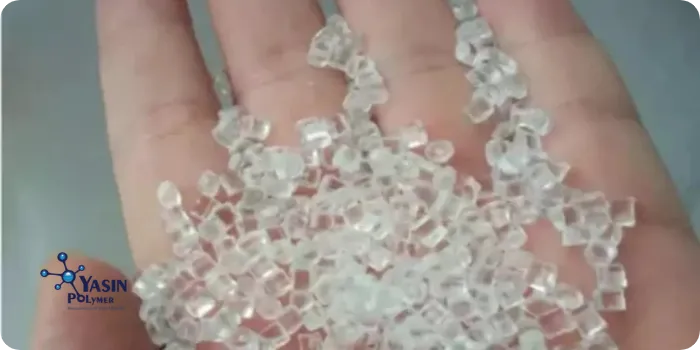
Potential Limitations and Considerations for Each Type
When evaluating Recycled GPPS, it is important to recognize that its properties can vary depending on the quality of the feedstock and reprocessing methods. This variability may lead to minor aesthetic imperfections such as color variations or small specks, which are generally acceptable in non-critical applications but might be unsuitable for high-precision or visible components. Additionally, recycled GPPS may not comply with certain strict regulatory standards, particularly for direct food contact, unless it undergoes specific clearance procedures. Processing recycled GPPS can also present challenges, often requiring adjustments in temperature or molding parameters compared to virgin material.
On the other hand, Virgin GPPS offers more consistent quality and predictable performance but comes with its own considerations. The higher cost is a notable factor, as virgin grades are significantly more expensive than recycled alternatives. From an environmental perspective, relying on virgin GPPS increases the carbon footprint due to fossil fuel consumption and higher energy usage during production. Furthermore, it contributes to resource depletion and, if not properly recycled after use, adds to the growing issue of plastic waste.
Understanding these potential limitations allows manufacturers and designers to make informed decisions, balancing performance, cost, and environmental impact when choosing between recycled and virgin GPPS.
Typical Applications: Where Are Recycled and Virgin GPPS Used?
Virgin GPPS Applications
Virgin GPPS (General Purpose Polystyrene) is prized for its clarity, rigidity, and high-quality finish, making it ideal for applications where appearance and performance are critical. Common uses include:
- Food packaging: Clear containers such as yogurt cups and deli trays, which must meet strict food safety regulations.
- Medical components: Items like petri dishes, test tubes, and laboratory trays that require chemical resistance and dimensional stability.
- High-clarity consumer goods: CD jewel cases, cosmetic packaging, and transparent electronics housings, where visual appeal is essential.
- Electronics housings: Components requiring a smooth, high-quality finish for aesthetic and protective purposes.
- High-performance sheets: Signage, display panels, and other structural sheets where durability and clarity are important.
Recycled GPPS Applications
Recycled GPPS is widely used in scenarios where slightly lower clarity or color variation is acceptable, and cost-effectiveness or sustainability is prioritized:
- Non-food packaging: Egg cartons, protective inserts, and disposable containers.
- Office supplies: Pen barrels, desk organizers, and other stationery items.
- Insulation boards: Often integrated into XPS or other boards for thermal insulation.
- Household items: Coat hangers, plant trays, and other products where appearance is secondary.
- Cost- and sustainability-driven components: Applications where material reuse and environmental considerations are key factors.
Overlapping Applications
Some applications can utilize either virgin or recycled GPPS depending on the required properties:
- Certain types of packaging, like disposable cups or containers, where clarity or strength requirements vary by grade.
- Single-use consumer items, where performance expectations are moderate but cost and environmental impact influence material choice.
By understanding these distinctions, manufacturers and designers can select the right GPPS type for each application, balancing performance, aesthetics, cost, and sustainability.
Frequently Asked Questions
- Is recycled GPPS as strong as virgin GPPS?
Recycled GPPS is often slightly less strong than virgin GPPS, but the difference depends on the specific grade and processing method. For many applications, recycled GPPS provides sufficient strength and durability. - Can recycled GPPS be used for food packaging?
Only certain grades of recycled GPPS can be safely used for food packaging. These must have proper certification and traceability to ensure they meet safety standards. - Is recycled GPPS always cheaper?
Generally, recycled GPPS is more cost-effective than virgin material. However, price can vary depending on market fluctuations and the quality of the recycled grade. - How does the environmental impact really compare?
Recycled GPPS has a significantly lower carbon footprint compared to virgin GPPS. It also helps reduce landfill waste, making it a more sustainable choice for manufacturers.
Conclusion
Choosing between virgin and recycled plastics involves clear trade-offs. Virgin plastics deliver peak performance, consistency, and reliability, making them ideal for applications where material properties are critical. In contrast, recycled plastics offer significant cost savings and environmental benefits, aligning with sustainability goals and circular economy practices. There is no single “best” option—the optimal choice depends entirely on the specific requirements of each project or application. Looking ahead, advances in recycling technology are enhancing the quality and versatility of recycled plastics, making them increasingly viable for a wider range of uses. By understanding these factors, readers can make informed material decisions or consult suppliers to select the most suitable solution for their needs.