How GPPS Granules Are Revolutionizing the Plastics Industry
2025-10-29
Recycled vs. Virgin GPPS Granules: Key Differences, Benefits & Choosing the Right Option
2025-11-05
Innovative Applications of EPS: Revolutionizing Food Packaging, Insulation, and Beyond
Expanded polystyrene (EPS) has evolved far beyond its traditional uses, becoming a core material in modern industries that prioritize efficiency, sustainability, and performance. In food packaging, EPS ensures freshness, temperature stability, and protection during transport, helping reduce food waste while meeting global hygiene standards. In insulation, its lightweight structure and excellent thermal properties make it indispensable in energy-efficient buildings, reducing heat loss and environmental impact. Beyond these well-known applications, EPS is driving innovation in areas such as smart construction, medical equipment, and product design offering versatile, recyclable, and cost-effective solutions that meet the needs of a rapidly changing world.
What is Expanded Polystyrene (EPS) and Why is it So Versatile?
Expanded Polystyrene (EPS) is a rigid, lightweight cellular plastic foam made primarily from polystyrene beads. During production, these beads are expanded using steam and a blowing agent called pentane, creating a closed-cell structure filled with air. This structure gives EPS its signature combination of lightness, strength, and insulation performance.
The versatility of EPS comes from its unique physical and chemical characteristics, which make it suitable for a wide range of applications—from construction and packaging to food storage and insulation systems. Its key properties include:
- Excellent Thermal Insulation: EPS has a naturally low thermal conductivity, reducing heat transfer and improving energy efficiency.
- Lightweight Yet Strong: Its high strength-to-weight ratio makes it easy to handle, transport, and install without compromising structural performance.
- Shock Absorption: The closed-cell structure acts as a cushion, protecting products from impact and vibration.
- Moisture Resistance: EPS resists water absorption, maintaining its performance even in humid environments.
- Durability and Structural Integrity: It retains shape and strength over time, even under pressure or temperature changes.
- Cost-Effectiveness: Compared to other insulation or packaging materials, EPS offers excellent performance at a lower cost.
- Hygienic and Food-Safe: Non-toxic and easy to clean, it’s widely used in food packaging and cold-chain logistics.
- Chemically Inert: EPS does not react with most chemicals, ensuring stability and safety in various environments.
In short, EPS is versatile because it combines insulation, durability, and affordability in one material. Its structure and properties make it an ideal choice for industries that demand efficiency, performance, and reliability.
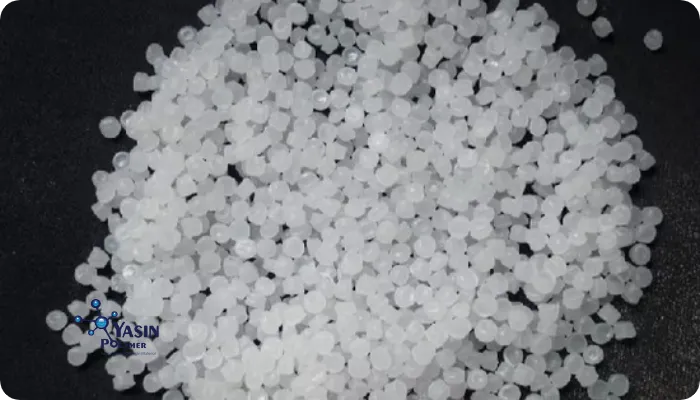
EPS in Food Packaging: Ensuring Freshness, Safety, and Protection
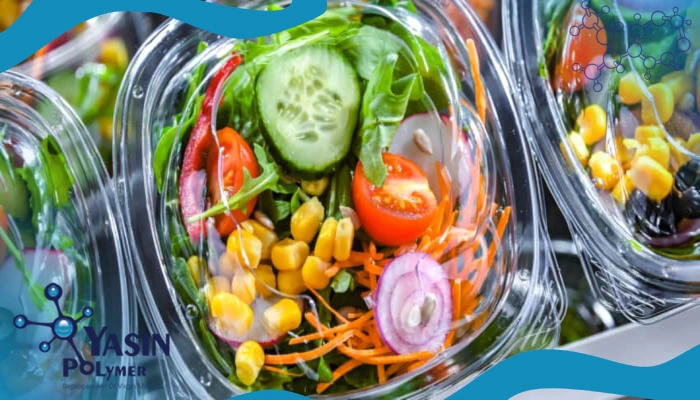
Expanded Polystyrene (EPS) has become one of the most reliable materials in the food packaging industry, valued for its ability to preserve freshness, maintain temperature stability, and protect products during handling and transport. Its unique structure allows it to insulate both hot and cold foods effectively, preventing spoilage and maintaining quality from production to consumption.
Practical Applications:
EPS is widely used across various segments of the food sector. Common examples include:
- Insulated containers for hot beverages, ice cream, and takeaway meals that help retain optimal temperatures.
- Trays for fresh meat, poultry, and fish, ensuring hygiene and temperature control during display and storage.
- Protective shipping boxes used for temperature-sensitive goods such as seafood, dairy products, and even pharmaceuticals.
- Egg cartons, which provide excellent cushioning and reduce the risk of breakage during transport.
Key Benefits:
EPS offers several advantages that make it ideal for food packaging:
- Thermal insulation: Maintains product temperature for extended periods.
- Hygiene and safety: Non-toxic, odorless, and resistant to moisture and microbial growth.
- Lightweight structure: Reduces transportation costs and overall carbon emissions.
- Superior protection: Absorbs shocks and vibrations, keeping delicate items intact.
- Cost-efficiency: Affordable to produce and easily customizable for different packaging needs.
Food Safety Compliance and Innovation:
Food-grade EPS complies with global safety standards, including FDA and EFSA regulations, ensuring that it poses no risk to consumers. Recent innovations have further improved its performance—such as EPS with enhanced barrier properties to extend shelf life and antimicrobial additives to enhance food safety.
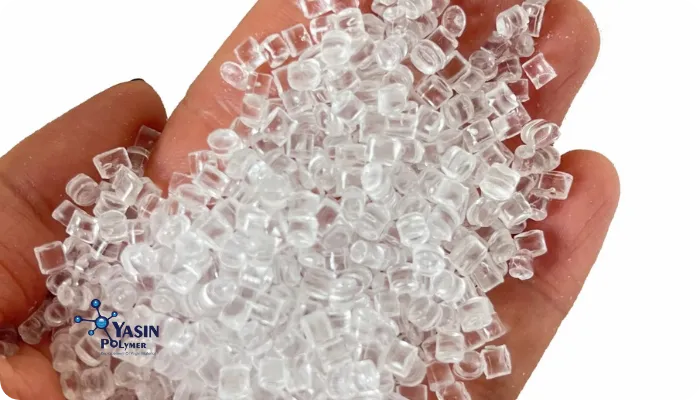
The Role of EPS Insulation in Energy-Efficient Buildings
Expanded Polystyrene (EPS) insulation plays a crucial role in enhancing energy efficiency across modern buildings by significantly reducing heating and cooling demands. Its superior insulating performance helps maintain stable indoor temperatures, minimizing reliance on HVAC systems and thereby cutting overall energy consumption and operational costs.
EPS insulation comes in several forms suited for different construction needs, including:
- Rigid foam boards or panels, widely used in walls, roofs, and floors to create continuous thermal barriers.
- Insulated Concrete Forms (ICFs) that combine insulation with structural integrity, ideal for energy-efficient wall systems.
- Structural Insulated Panels (SIPs), offering both load-bearing capacity and exceptional thermal performance.
- Loose-fill insulation, a less common option used in irregular spaces or retrofits.
The key advantages of EPS in construction include its high thermal resistance (R-value), ensuring effective temperature control; durable long-term performance, as it doesn’t easily degrade over time; and moisture resistance, which prevents mold and mildew formation. Its structural versatility in ICFs and SIPs, along with being lightweight and easy to install, makes it a preferred material among builders. Moreover, EPS remains cost-effective compared to many alternative insulation products, offering an excellent balance between performance and affordability.
In the context of green building design, EPS contributes directly to meeting energy efficiency standards and supports certifications such as LEED and BREEAM, helping projects align with sustainability goals. Continuous innovations like graphite-enhanced EPS (grey EPS) further improve insulation efficiency by increasing R-values, reinforcing EPS’s position as a leading solution in modern, energy-conscious construction.
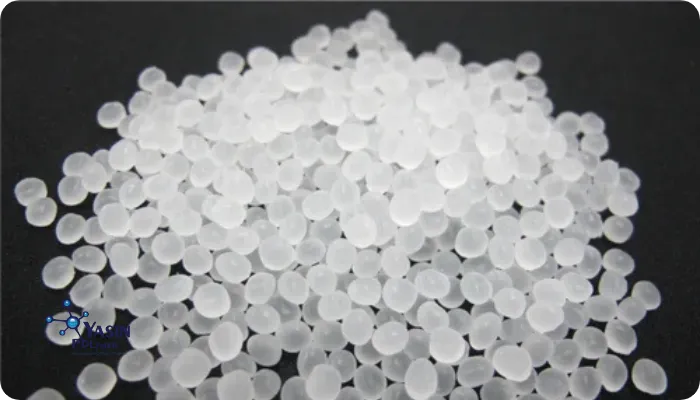
Beyond Packaging & Insulation: Diverse and Innovative EPS Applications
Expanded Polystyrene (EPS) is far more than just a material for packaging and insulation — its unique combination of lightness, strength, and versatility has made it indispensable across multiple industries. Below are some of the most innovative and diverse applications of EPS that highlight its adaptability and value:
Protective Packaging (Non-Food)
EPS is widely used to protect fragile or valuable products such as electronics, appliances, and furniture during transport. Its shock-absorbing and cushioning properties minimize damage from impact or vibration. Custom-molded EPS shapes can be designed to fit any product precisely, ensuring safe and efficient delivery.
Construction (Non-Insulation)
- Geofoam: EPS geofoam serves as a lightweight fill material in civil engineering projects, including road embankments, bridge abutments, and landscaping. Its low density reduces soil settlement and overall load on structures, offering stability even on weak ground.
- Architectural Shapes & Moldings: Due to its easy moldability and light weight, EPS is ideal for creating decorative elements such as cornices, columns, and trims. These elements mimic heavier materials like stone or plaster but are much easier to install and maintain.
Automotive
In the automotive sector, EPS contributes to safety and efficiency. It is used in bumpers, door panels, and sound-dampening components. The material’s energy absorption helps minimize collision impact while keeping the vehicle lightweight, improving fuel efficiency.
Marine Applications
Thanks to its excellent buoyancy and water resistance, EPS is used in flotation devices, docks, and buoys. It maintains its structure and performance even when exposed to moisture, making it a reliable solution for marine environments.
Horticulture
EPS is used in seedling trays and as a component in hydroponic systems. Its light weight and inert nature promote healthy root growth, providing aeration and consistent moisture control for plants.
Safety Equipment
EPS plays a crucial role in personal protection, serving as the impact-absorbing core in helmets used for cycling, motorcycling, and other activities. Its cellular structure efficiently disperses energy during impact, reducing the risk of injury.
Arts, Crafts & Stage Design
Because it’s lightweight, easily shaped, and paintable, EPS is a favorite in creative industries. Artists and designers use it for props, models, sculptures, and stage sets, taking advantage of its versatility and ease of customization.
Overall, EPS’s combination of durability, low weight, shock absorption, and adaptability allows it to excel across industries far beyond packaging and insulation — showcasing its role as a truly versatile modern material.
Sustainability Profile: Addressing EPS Recycling and Environmental Impact
Expanded Polystyrene (EPS) is often perceived as an environmentally challenging material due to its fossil fuel origin and bulky nature in landfills. However, this perception overlooks the significant progress in recycling infrastructure, material efficiency, and ongoing sustainability innovations across the industry.
Recycling Infrastructure
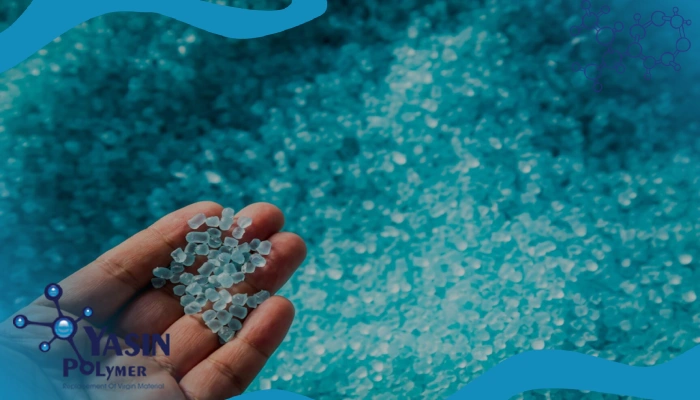
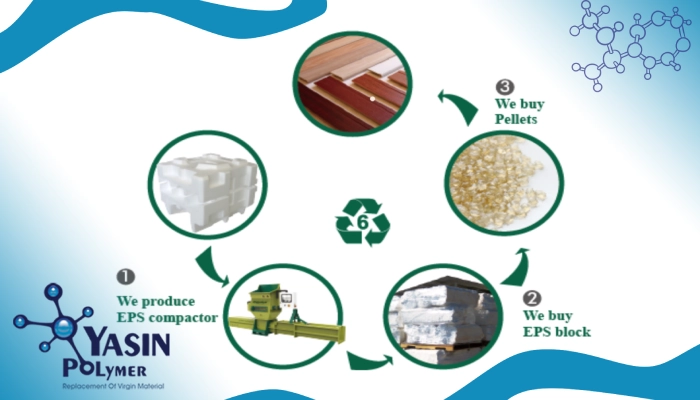
EPS is fully recyclable through mechanical processes. Many countries have established post-consumer recycling programs, where collected EPS is compacted using densifiers—machines that reduce its volume by up to 90%. This makes transportation and reprocessing economically viable. Recycled EPS can then be pelletized and reintroduced into production cycles.
Recycled Content Applications
Recycled EPS serves as raw material for a variety of products:
- New EPS packaging and insulation boards
- Durable consumer goods like picture frames, park benches, and hangers
- Construction materials, including lightweight concrete fillers
Some facilities even reintegrate recycled EPS into new EPS blocks, closing the material loop.
Innovative Recycling Technologies
Emerging methods like chemical recycling (via dissolution or pyrolysis) show promise in breaking EPS down to its monomers for reuse. While still scaling commercially, these technologies could dramatically increase recycling efficiency in the near future.
Life Cycle Assessment (LCA) Perspective
From a life cycle standpoint, EPS performs well compared to many alternatives:
- Manufacturing: Requires relatively low energy.
- Usage phase: Provides excellent insulation, leading to major energy savings in buildings.
- Transport: Being 98% air, EPS is lightweight, reducing fuel use and CO₂ emissions during shipment.
Waste Reduction and Resource Efficiency
The industry continues to improve product design to reduce material use at the source. Additionally, initiatives promoting take-back systems and circular design are expanding globally.
| Environmental Factor | EPS Advantages | Supporting Details |
| Recyclability | High (mechanical + chemical) | Post-consumer collection and densification programs |
| Energy Efficiency | Excellent | Low manufacturing energy; major insulation savings |
| Weight Efficiency | 98% air | Reduces transport emissions |
| Recycled Uses | Packaging, insulation, furniture | Supports circular economy |
| Innovation | Advancing rapidly | Chemical recycling under development |
In summary, while EPS faces environmental challenges, the industry has made substantial progress toward sustainable production and recycling. Through improved infrastructure, innovative technologies, and efficient design, EPS continues to evolve as a responsible and resource-efficient material.
Frequently Asked Questions about EPS Applications (FAQ)
Is EPS safe for food packaging?
Yes. Food-grade EPS (Expanded Polystyrene) is specifically designed and manufactured under strict health and safety regulations. It’s approved by major food safety authorities for direct contact with food because it doesn’t leach harmful substances and maintains the freshness and temperature of packaged items. Its hygienic, lightweight, and insulating properties make it ideal for containers, trays, and takeaway boxes.
How effective is EPS insulation compared to other materials?
EPS is one of the most cost-effective thermal insulation materials available. With a typical R-value ranging from 3.6 to 4.2 per inch, it provides reliable energy efficiency for walls, roofs, and floors. While it may not have the highest R-value per inch compared to some advanced foams, its affordability, durability, and ease of installation make it a preferred choice for both residential and commercial insulation projects.
Can you really recycle EPS foam?
Yes, EPS is 100% recyclable through mechanical recycling methods. It can be collected, compacted, and processed into pellets to produce new plastic items such as picture frames, packaging, or insulation boards. Many cities and private programs offer EPS collection points, helping reduce landfill waste and promoting circular economy practices.
Is EPS waterproof?
EPS is highly moisture-resistant thanks to its closed-cell structure, which prevents water absorption and preserves its insulating ability even in humid conditions. However, it’s important to note that it is not fully waterproof during long-term water immersion, so proper sealing or protective layers are recommended in constantly wet environments.
Conclusion
Expanded Polystyrene (EPS) stands out as a material that combines exceptional insulation, durability, and lightweight versatility — making it a practical and cost-effective solution for a wide range of industries. Its ability to provide both thermal efficiency and structural protection has made it indispensable in applications from construction to packaging.
Continuous innovation and advancements in EPS manufacturing have further enhanced its performance, sustainability, and recyclability, ensuring that it remains a relevant and forward-looking material in modern design and engineering.
Ultimately, EPS offers a unique balance of performance, affordability, and adaptability, making it one of the most valuable choices for businesses and designers seeking reliable, efficient, and sustainable solutions.