How Recycled EPS Granules Reduce Costs and Environmental Impact
2025-10-25
Innovative Applications of EPS in Food Packaging, Insulation, and More
2025-11-01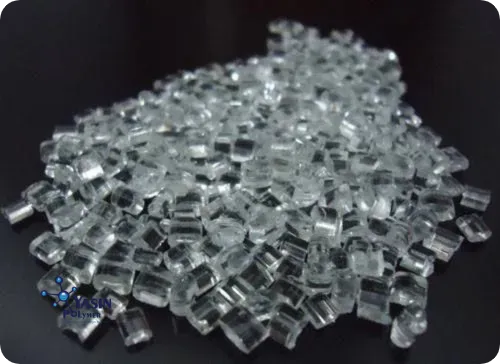
How GPPS Granules Are Revolutionizing the Plastics Industry
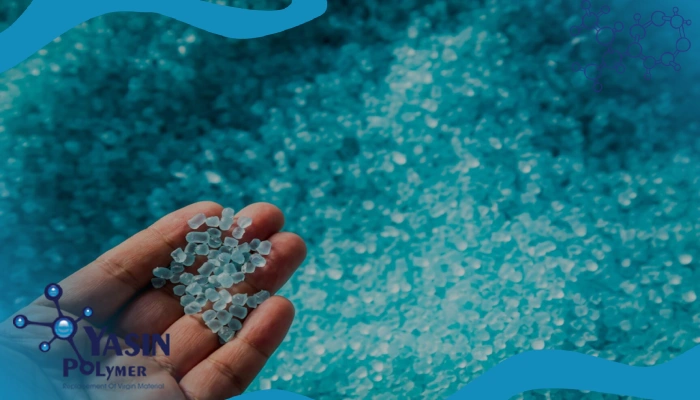
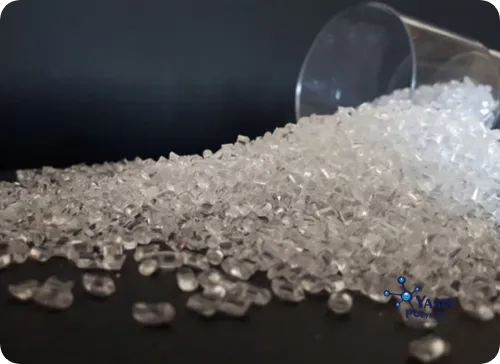
GPPS granules, or General Purpose Polystyrene, are emerging as a highly versatile plastic material widely used across modern manufacturing sectors. Known for their excellent balance of transparency, rigidity, and dimensional stability, these granules are increasingly shaping the way industries design and produce everyday products. This article explores the technological impact, current trends, and practical benefits of GPPS granules, providing valuable insights for manufacturers, engineers, and designers alike.
What Are GPPS Granules?
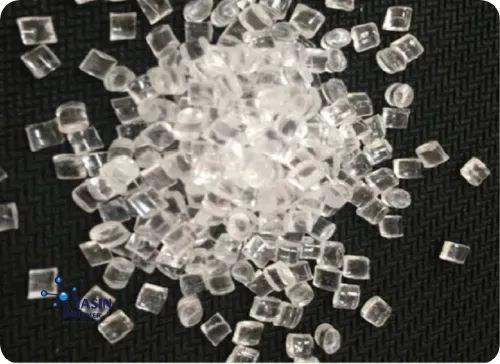
GPPS (General Purpose Polystyrene) is a type of polystyrene polymer made through the polymerization of styrene monomers. It is characterized by a simple chemical structure that gives it remarkable clarity and ease of processing. Unlike other polystyrene types, GPPS offers a combination of mechanical strength and optical transparency, making it suitable for applications where both aesthetics and performance matter.
Key Physical Properties of GPPS Granules
GPPS granules are appreciated for their distinct physical characteristics, including:
- Transparency: Allows for clear and visually appealing products
- Rigidity: Maintains structural integrity under stress
- Dimensional Stability: Minimal shrinkage or deformation during processing
| Property | Description |
| Transparency | Clear, glass-like appearance |
| Rigidity | High stiffness for structural support |
| Dimensional Stability | Excellent resistance to deformation |
| Density | Typically 1.04–1.06 g/cm³ |
| Melting Point | Around 240°C |
Comparison With Other Polystyrene Types
GPPS granules differ from other commonly used polystyrene materials:
- EPS (Expanded Polystyrene): Lightweight and insulating, but not as rigid or clear as GPPS.
- HIPS (High Impact Polystyrene): More impact-resistant due to rubber modification, but less transparent.
Applications and Industries
GPPS granules are widely employed in various sectors, including:
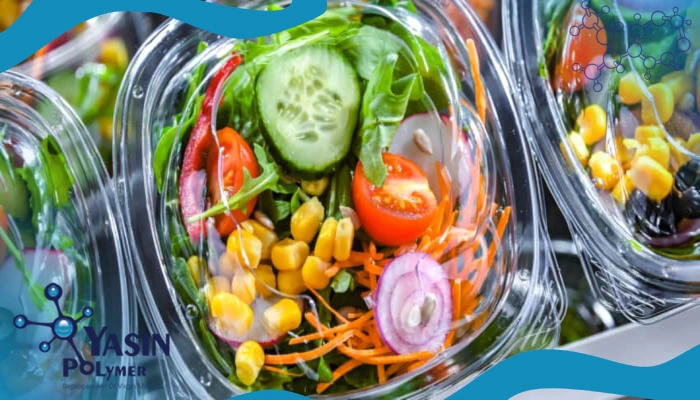
- Packaging: Transparent containers, food packaging, and disposable cutlery
- Consumer Goods: Toys, household appliances, and electronics casings
- Medical: Laboratory equipment and diagnostic devices
- Industrial Components: Light-duty mechanical parts and display panels
The combination of clarity, rigidity, and ease of processing makes GPPS granules a preferred material for applications that demand both performance and visual appeal. As the plastics industry continues to evolve, GPPS granules remain at the forefront of innovation, driving efficiency and quality across diverse manufacturing processes.
Key Advantages of GPPS Granules
GPPS granules offer a range of advantages that make them a preferred choice in both domestic and industrial applications. One of their primary benefits is being lightweight and easy to process, which simplifies manufacturing and reduces handling costs. Additionally, GPPS granules are cost-effective for mass production, allowing manufacturers to produce high-quality products without significantly increasing expenses.
These granules are highly valued for their clarity and aesthetic appeal, making them ideal for products where transparency and visual presentation matter, such as packaging, household items, and consumer electronics. Beyond appearance, GPPS granules also provide good electrical insulation properties, ensuring safety and reliability in electronic components.
Another important advantage is their low moisture absorption, which enhances durability and stability in humid environments, making GPPS suitable for a variety of industrial and domestic contexts. Overall, the combination of ease of processing, economic efficiency, visual appeal, and functional performance positions GPPS granules as a versatile material capable of meeting diverse manufacturing demands.
Industrial Applications of GPPS Granules
GPPS granules are widely used across multiple industrial sectors due to their unique combination of clarity, rigidity, and ease of processing. Their versatility allows manufacturers to produce high-quality products efficiently, making GPPS a preferred material in modern manufacturing. Below is a breakdown of key industrial applications:
Packaging Industry
In the packaging sector, GPPS granules are commonly used for:
- Food containers: Clear and rigid containers that meet hygiene standards
- Blister packs: Transparent packaging for pharmaceuticals and electronics
- Protective packaging: Lightweight yet sturdy solutions for fragile products
Why GPPS is preferred: Its excellent clarity, rigidity, and moldability make it ideal for packaging that requires both aesthetic appeal and structural strength. For example, many consumer electronics brands use GPPS for transparent protective casings that showcase the product while safeguarding it during shipping.
Electronics & Appliances
GPPS granules play a crucial role in the electronics and household appliances industry:
- Casings for electronics and appliances: Durable, dimensionally accurate, and visually appealing
- Benefits: Electrical insulation ensures safety, while dimensional accuracy facilitates precise assembly
Leading appliance manufacturers often choose GPPS for components such as control panels, casing covers, and transparent display parts, combining functionality with cost-efficiency.
Consumer Goods
In the consumer goods market, GPPS granules are used for:
- Toys: Lightweight and clear components
- Cosmetic packaging: Transparent containers for creams, gels, and beauty products
- Disposable items: Cutlery, cups, and other short-term use products
Advantages: GPPS provides high aesthetic appeal and cost-effectiveness, making it ideal for products that must attract consumers while keeping production costs manageable.
Industrial Components
GPPS granules are also employed in industrial applications where performance and processing flexibility are key:
- Lightweight machine parts: Components that reduce overall product weight
- Automotive interiors: Panels and trim pieces requiring precision and durability
The combination of durability, dimensional stability, and ease of processing allows manufacturers to create reliable and long-lasting parts. Some automotive suppliers use GPPS granules for interior trims, balancing lightweight design with structural integrity.
How GPPS Granules Are Driving Innovation in Plastics
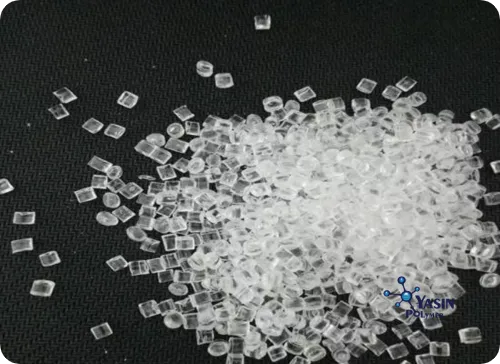
GPPS granules are at the forefront of technological innovation in the plastics industry, enabling new methods of production and environmentally conscious solutions. Emerging technologies such as injection molding, 3D printing, and composite materials are increasingly utilizing GPPS due to its clarity, rigidity, and ease of processing. These technologies allow manufacturers to produce complex, high-precision parts efficiently while maintaining consistent quality.
In addition to advanced manufacturing techniques, GPPS granules are contributing to environmental innovations. Recyclable blends and bio-based GPPS variants are being developed to reduce plastic waste and carbon footprint, supporting sustainability goals without compromising performance.
The impact of GPPS on manufacturing efficiency and product quality is substantial. Its consistent physical properties reduce material waste, accelerate production cycles, and enable superior aesthetic and structural performance in final products.
From a market perspective, the adoption of GPPS granules is growing steadily as industries recognize their potential to improve both operational efficiency and product innovation. This trend is reflected in the increasing number of applications across packaging, consumer goods, electronics, and industrial components, highlighting GPPS as a key driver of innovation in modern plastics.
Environmental and Sustainability Considerations
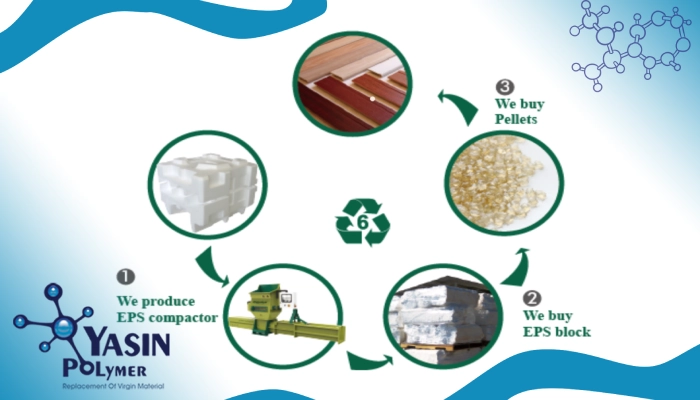
As the plastics industry moves toward greater sustainability, GPPS granules present both challenges and opportunities. Recycling options for GPPS include mechanical recycling, where used plastics are melted and reformed, and chemical recycling, which breaks the polymer down to its monomers for repolymerization. These methods help reduce waste and extend the lifecycle of GPPS products.
However, challenges remain. GPPS, like many plastics, can contribute to landfill accumulation if not properly managed, and its production and processing consume significant energy resources. Addressing these issues is essential to minimize environmental impact.
Opportunities for GPPS sustainability are expanding through circular economy initiatives and industrial recycling programs both globally and in countries like Iran. By integrating recycled GPPS into new products and optimizing production processes, manufacturers can reduce waste, lower energy consumption, and promote environmentally responsible practices. These efforts not only enhance the ecological footprint of GPPS but also support the long-term viability and innovation of the plastics industry.
Challenges and Limitations
While GPPS granules offer numerous advantages, they also have inherent limitations that manufacturers must consider. One key challenge is brittleness under high stress, which can lead to cracking or breakage in applications requiring high impact resistance. Additionally, GPPS exhibits low heat resistance, making it unsuitable for components exposed to elevated temperatures. Flammability is another concern, requiring careful handling and, in some cases, the use of flame-retardant additives.
To mitigate these limitations, several best practices are employed in the industry:
- Additives: Incorporating impact modifiers or flame retardants to enhance safety and durability
- Blending: Combining GPPS with other polymers such as HIPS to improve toughness
- Processing methods: Optimizing molding temperatures, cooling rates, and design geometry to minimize stress points and enhance structural integrity
By understanding these constraints and applying appropriate strategies, manufacturers can maximize the benefits of GPPS granules while ensuring safe, durable, and high-quality products across diverse applications.
Future Outlook of GPPS in the Plastics Industry
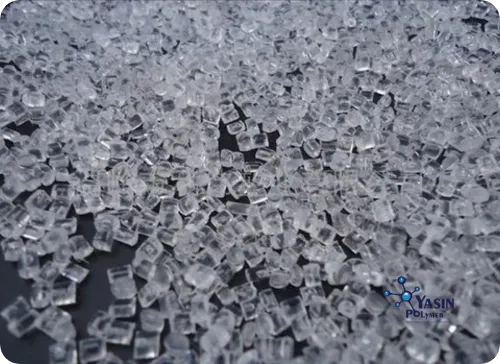
The future of GPPS granules in the plastics industry looks promising, driven by growing demand across multiple sectors and continuous material innovations. Market projections indicate steady growth in GPPS usage, particularly in packaging, electronics, consumer goods, and industrial components. Emerging technologies and applications are expected to further expand its adoption.
Potential innovations include the development of nanocomposites and hybrid materials, which enhance mechanical properties, thermal stability, and overall performance. GPPS is also poised to play a key role in sustainable and high-tech manufacturing, contributing to recyclable products, energy-efficient production, and environmentally responsible solutions.
Several emerging industries are increasingly adopting GPPS for its versatility, clarity, and ease of processing, including medical devices, 3D-printed components, and advanced consumer electronics.
| Aspect | Future Trends and Opportunities |
| Market Growth | Steady increase in packaging, electronics, consumer goods |
| Material Innovations | Nanocomposites, hybrid materials for enhanced performance |
| Sustainability Role | Recyclable blends, energy-efficient production, eco-friendly use |
| Emerging Industries | Medical devices, 3D printing, advanced electronics |
| Technological Impact | Improved efficiency, precision, and product quality |
This outlook underscores that GPPS granules will continue to drive innovation, efficiency, and sustainability in the plastics industry, making them a cornerstone material for the next generation of manufacturing solutions.
Practical Guidelines for Using GPPS Granules
Using General-Purpose Polystyrene (GPPS) granules effectively requires attention to quality, processing conditions, and safety to ensure optimal product performance. The following guidelines help manufacturers and engineers maximize efficiency and maintain material integrity.
Selecting High-Quality GPPS Granules
- Purity: Ensure granules are free from contaminants or mixed polymers that could affect clarity and mechanical strength.
- Size Distribution: Uniform granule size promotes consistent melting and molding performance.
- Additives: Check for stabilizers, UV inhibitors, or flame retardants based on specific application requirements.
Recommended Processing Conditions
- Temperature: GPPS typically processes well between 180°C and 250°C, depending on the molding method.
- Molding Speed: Moderate injection or extrusion speeds help maintain dimensional accuracy and prevent defects such as air pockets or warping.
- Cooling: Controlled cooling is crucial to prevent internal stress, shrinkage, or surface irregularities.
Storage and Handling Best Practices
- Store granules in a dry, cool, and ventilated area to prevent moisture absorption and contamination.
- Avoid prolonged exposure to direct sunlight or high humidity, which can degrade material quality.
- Use sealed containers to maintain granule uniformity and prevent foreign particle contamination.
Safety Precautions for Industrial Use
- Ensure proper ventilation in processing areas to minimize inhalation of fumes.
- Use personal protective equipment (PPE), such as gloves and safety glasses, when handling hot GPPS or during molding operations.
- Follow fire safety protocols, as GPPS is flammable and can release hazardous fumes when ignited.
By following these practical guidelines, manufacturers can maintain high-quality GPPS granules, optimize processing performance, and ensure workplace safety, resulting in consistent and durable final products.
Conclusion
GPPS granules have established themselves as a versatile and efficient material in the plastics industry. Their clarity, rigidity, cost-efficiency, and recyclability make them highly suitable for a wide range of applications—from packaging and consumer goods to electronics and industrial components. By combining ease of processing with reliable mechanical and optical properties, GPPS granules allow manufacturers to produce high-quality products with consistent performance.
Looking forward, GPPS continues to drive innovation and sustainability in plastics manufacturing. Emerging technologies, recyclable blends, and bio-based variants are expanding its potential while supporting eco-conscious production practices. Industry professionals are encouraged to adopt GPPS strategically, leveraging its versatility while promoting environmentally responsible applications.
FAQ
- What are GPPS granules, and why are they important?
GPPS granules (General Purpose Polystyrene) are transparent, rigid plastic pellets used for molding and extrusion. They are valued for their clarity, dimensional stability, and ease of processing, making them ideal for packaging, electronics, consumer goods, and industrial components. - How do GPPS granules differ from other polystyrene types?
Compared to EPS (Expanded Polystyrene) and HIPS (High Impact Polystyrene), GPPS offers higher clarity and rigidity but lower impact resistance than HIPS. EPS is lightweight and insulating but less suitable for precision or transparent applications. - What are the main challenges of using GPPS?
GPPS is brittle under high stress, has low heat resistance, and is flammable. Manufacturers often use additives or blends (like HIPS) to enhance impact resistance and safety for demanding applications. - How can GPPS be made more sustainable?
GPPS can be mechanically or chemically recycled, and emerging bio-based variants are being developed. Circular economy practices, industrial recycling programs, and the use of recycled content in production help reduce environmental impact and support sustainable manufacturing.