Top 5 Benefits of Using Recycled GPPS Granules in Plastic Packaging Production
2026-02-07
What is GPPS? Understanding Its Physical Properties and Wide-Ranging Applications
2026-02-14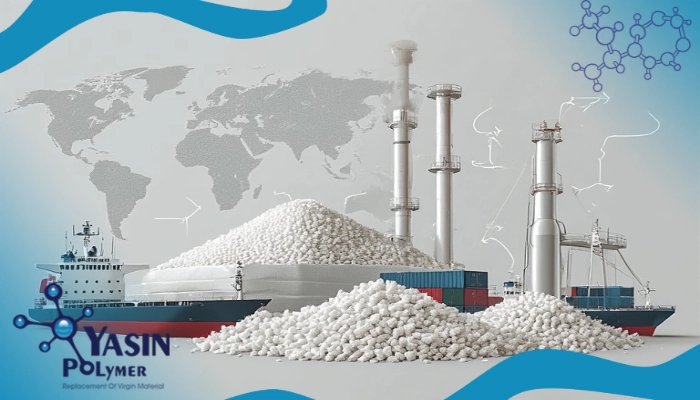
In the global plastics and polymers market, few countries have positioned themselves as reliably and competitively as Iran for polystyrene granule exports. With abundant feedstock from its vast natural gas reserves, advanced petrochemical infrastructure, competitive pricing, and a growing emphasis on quality and sustainability, Iran has emerged as a key supplier of GPPS, Polystyrene granule, Recycled GPPS Granule, Recycled EPS Granule, and related materials.
But why exactly is Polystyrene granule Iran gaining such strong traction in international markets? Is it purely cost advantage, or are there deeper structural, technical, and strategic reasons?
At Yasin Polymer, a trusted Iranian producer and exporter of high-purity GPPS, recycled polystyrene granules, and EPS derivatives, we see firsthand how Iran is becoming a preferred source for manufacturers in packaging, construction, insulation, disposable goods, and electronics industries worldwide.
The Hidden Opportunity in Iran’s Polystyrene Granule Supply Chain
Global demand for polystyrene continues to grow steadily in 2026—driven by packaging (food trays, protective foam), construction (insulation boards, lightweight panels), consumer goods (disposable cutlery, CD cases), and automotive/electronics applications. Yet supply chains face disruptions, rising energy costs in Europe and Asia, and increasing pressure for sustainable recycled options.
Many buyers are discovering that Polystyrene granule Iran offers:
- Stable, large-volume supply even amid global volatility
- Competitive pricing (often 15–30% below European or East Asian equivalents)
- Consistent quality meeting international standards (ISO, REACH-compliant grades)
- Growing availability of Recycled GPPS Granule and Recycled EPS Granule for circular economy needs
Iran exported significant volumes of styrene polymers (including GPPS and EPS grades) in recent years, with key destinations including Turkey, Romania, Uzbekistan, India, Iraq, and emerging African markets. For importers facing shortages or high costs from traditional suppliers (South Korea, Chinese Taipei, Belgium), Polystyrene granule Iran represents a strategic, cost-effective alternative without compromising performance.
Understanding Iran’s Polystyrene Production and Export Strengths
Iran’s dominance in polystyrene granule exports stems from a powerful combination of raw material abundance, integrated petrochemical complexes, skilled manufacturing, and export-oriented policies.
-
Abundant & Cost-Effective Feedstock
Iran holds the world’s second-largest natural gas reserves and significant oil resources. Styrene monomer—the key precursor for GPPS, HIPS, and EPS—is produced domestically at competitive costs thanks to low feedstock prices and integrated refining-petrochemical chains (e.g., Pars Petrochemical, Tabriz Petrochemical, Takht-e Jamshid).
This vertical integration keeps production costs low, allowing Iranian Polystyrene granule to remain price-competitive globally.
-
Advanced Production Capacity & Technology
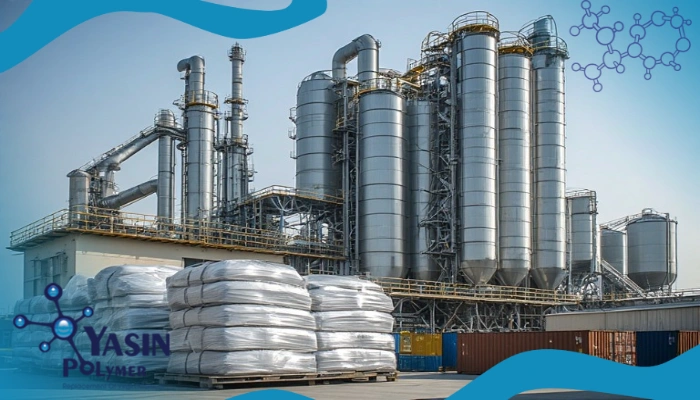
Major producers operate modern plants with:
- High-purity polymerization lines for crystal-clear GPPS
- Expandable polystyrene (EPS) bead production for insulation and packaging foams
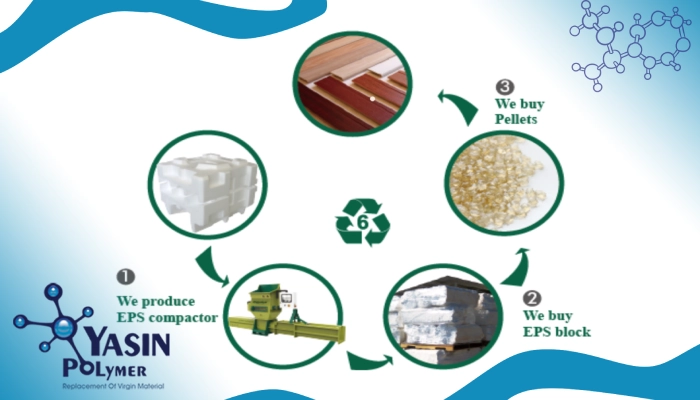
- Advanced recycling facilities producing high-quality Recycled GPPS Granule and Recycled EPS Granule with consistent melt flow, low impurities, and mechanical properties close to virgin grades
Many Iranian facilities use European/Japanese technology licenses or joint ventures, ensuring product quality aligns with global benchmarks.
-
Diverse Product Portfolio
Iran supplies a wide range of polystyrene granule types:
- GPPS (General Purpose Polystyrene): Crystal grades for transparent packaging, disposable items, XPS insulation boards
- High-Impact Polystyrene (HIPS): Toughened grades for electronics housings, toys
- Expandable Polystyrene (EPS): Beads for foam blocks, protective packaging, construction insulation
- Recycled GPPS Granule & Recycled EPS Granule: Sustainable options with 70–95% post-consumer/post-industrial content, ideal for cost-sensitive and eco-conscious applications
-
Strategic Export Infrastructure
Ports like Bandar Abbas, Imam Khomeini, and Chabahar provide excellent access to Asia, Europe, Africa, and the Middle East. Iran’s geographic location reduces shipping times and costs to key markets compared to distant suppliers.
-
Quality & Certification Focus
Leading exporters (including Yasin Polymer) prioritize:
- Strict QC labs (MFI, tensile strength, impact, Vicat softening point, residual monomer <0.1%)
- REACH, RoHS, FDA food-contact compliance for export grades
- Consistent pellet size, low dust, excellent flowability
Iran vs. Major Polystyrene Exporters
| Factor | Iran | South Korea | Chinese Taipei | Europe (Belgium/Germany) | Advantage for Buyers |
| Feedstock Cost | Very low (domestic gas) | Medium-High | Medium | High | Iran |
| Production Cost | Low | Medium | Medium | High | Iran |
| Export Price (indicative $/ton) | Competitive (often lowest) | Higher | Higher | Highest | Iran |
| Supply Stability | High (sanctions-adapted) | High | High | Medium (energy crisis) | Iran / Korea |
| Recycled Grades Availability | Growing rapidly | Moderate | Moderate | High (EU regulations) | Iran / Europe |
| Lead Time to Middle East/Asia | 7–20 days | 20–35 days | 25–40 days | 30–50 days | Iran |
| Quality Consistency | High (export-focused producers) | Very High | High | Very High | Comparable |
Why Global Buyers Choose Iranian Polystyrene Granule
Global buyers increasingly turn to Polystyrene granule Iran not only for cost reasons but for a balanced mix of reliability, performance, sustainability, and strategic advantages. Below are the key drivers fueling this preference in 2026.
Economic Advantages
- Price stability — Shielded from extreme global gas price swings thanks to Iran’s abundant domestic natural gas feedstock and state-supported energy pricing.
- Volume reliability — Large-scale production capacity (multiple integrated plants) ensures steady, high-volume supply contracts even during peak demand seasons.
- Lower logistics costs to regional markets (Turkey, Iraq, India, Central Asia, Africa) due to shorter shipping distances, efficient port infrastructure (Bandar Abbas, Chabahar), and competitive freight rates compared to Far East or European origins.
Performance & Application Fit
- GPPS from Iran delivers excellent clarity, processability, and stiffness for food packaging, XPS insulation boards, and high-precision injection molding.
- Recycled GPPS Granule and Recycled EPS Granule meet sustainability targets while maintaining good mechanical properties, melt flow index consistency, and low odor/impurities suitable for non-critical applications.
- Consistent quality supports high-speed extrusion, thermoforming, and foam expansion without frequent die cleaning or process adjustments.
Sustainability Edge Iran’s expanding recycled polystyrene granule production helps buyers reduce carbon footprint and comply with green procurement policies, corporate ESG goals, and emerging regulations in Europe and Asia. Many Iranian suppliers now offer certified post-industrial and post-consumer recycled grades with traceability documentation.
Risk Mitigation Diversifying suppliers away from over-reliance on Northeast Asia or Europe reduces geopolitical and freight risk exposure—especially important amid ongoing Red Sea disruptions, Suez Canal issues, and volatile container rates in 2026.
Additional Reasons Buyers Prefer Iranian Polystyrene Granule
Beyond economics and performance, Iranian Polystyrene granule stands out for its fast order-to-delivery cycles (often 2–4 weeks to key regional ports), flexible minimum order quantities (suitable for both large converters and mid-sized processors), and responsive technical support from export-oriented producers. Many buyers report fewer quality rejections compared to lower-tier Asian suppliers, thanks to rigorous in-house QC and third-party testing (SGS, Intertek). Iranian material also offers customizable pellet specifications (MFI range, color masterbatch integration, additive packages) without long lead times. For companies building resilient supply chains post-pandemic, the combination of cost competitiveness, geographic proximity to emerging markets, and growing recycled portfolio makes Polystyrene granule Iran a strategic long-term choice rather than a short-term price play.
Partner with Yasin Polymer for Premium Polystyrene Granule from Iran
Ready to secure reliable, high-quality Polystyrene granule Iran supplies?
- Contact Yasin Polymer — Leading exporter of virgin GPPS, Recycled GPPS Granule, Recycled EPS Granule, and EPS beads
- Request samples & COA — Test in your process (free samples for qualified buyers)
- Discuss customized grades — Tailored MFI, color, additives
- Secure long-term contracts — Fixed pricing, priority loading
- Enjoy full export support — Documentation, SGS inspection, flexible payment terms
Visit yasinpolymer’s website today. Optimize your supply chain with trusted Iranian polystyrene granule — quality you can rely on, prices that make sense.
Frequently Asked Questions (FAQ)
Is Iranian GPPS suitable for food-contact applications?
Yes — Many export-grade GPPS from Iran comply with FDA, EU 10/2011, and other food-contact regulations (low residual styrene <0.1%).
What is the quality difference between virgin and Recycled GPPS Granule from Iran?
Virgin offers maximum clarity and consistency; high-quality Recycled GPPS Granule (filtered, homogenized) delivers 85–95% of virgin performance at lower cost—ideal for non-critical applications.
How competitive is Polystyrene granule Iran pricing in 2026?
Iranian material typically undercuts Korean/Taiwanese by 15–30% and European by more, thanks to low feedstock and production costs.
Can I source Recycled EPS Granule for sustainable foam production?
Yes — Iranian suppliers offer consistent Recycled EPS Granule with good expansion ratios and bead integrity for insulation and packaging foams.
What are typical export destinations for Iranian polystyrene granule?
Turkey, Iraq, Uzbekistan, India, Romania, Afghanistan, Pakistan, Oman, Russia, and growing volumes to Africa and Eastern Europe.
How does Iran ensure consistent quality in polystyrene granule exports?
Through modern QC labs, ISO-certified processes, third-party testing (SGS), and export-focused production standards.
What payment and shipping options are available?
LC, TT, flexible terms; main ports Bandar Abbas / Chabahar; CIF, FOB, CFR to most destinations.
Choose Yasin Polymer for your next Polystyrene granule order from Iran — where quality meets value in the global market. Contact us now!