Recycled GPPS Granule Applications
2026-01-01
The Comprehensive Guide to Different Grades of Polystyrene Granules: GPPS, HIPS, and EPS
2026-01-27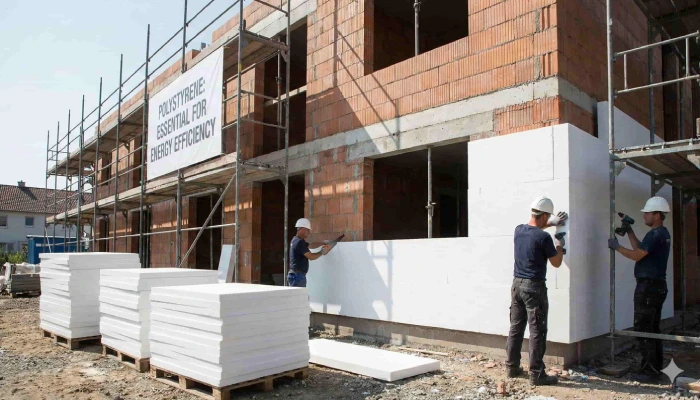
The Vital Application of Polystyrene in Construction
The Polymer Revolution in Architecture
The global construction industry is undergoing a paradigm shift. As sustainability, thermal efficiency, and cost-effectiveness become the pillars of modern architecture, the role of advanced polymers has moved from the periphery to the center stage. Among these materials, Polystyrene granule products stand out as the most versatile and indispensable components.
From the skyscrapers of Dubai to residential projects in Europe, the demand for high-quality raw materials is skyrocketing. For businesses looking to source these materials, the market for Polystyrene granule Iran has become a focal point due to the country’s vast petrochemical infrastructure and the high purity of its exports. In this article, we explore how General Purpose Polystyrene (GPPS) and its recycled counterparts are redefining the durability of our built environment.
Understanding the Core: GPPS and the Power of Transparency
General Purpose Polystyrene, commonly known as GPPS, is a rigid, transparent thermoplastic. In construction, aesthetics and structural integrity must go hand-in-hand.
Glazing and Interior Design While glass is traditional, GPPS offers a lightweight, shatter-resistant alternative for interior partitions, shower doors, and lighting fixtures. Its high clarity allows for excellent light transmission, reducing the need for artificial lighting in “green” buildings. Moreover, the ease of fabrication allows architects to implement curved designs that would be cost-prohibitive with standard tempered glass.
Precision Molding Manufacturers utilize Polystyrene granule to create intricate decorative moldings. Unlike wood, which rots, or plaster, which cracks, polystyrene-based moldings are moisture-resistant and maintain their dimensions for decades. The superior melt strength of Polystyrene granule Iran allows for high-definition detailing in injection molding, capturing sharp edges and complex textures that are essential for luxury interior finishes. Additionally, these polymer profiles act as excellent acoustic dampeners, reducing noise transmission between rooms—a critical factor in modern multi-unit residential developments. By selecting high-purity granules, contractors ensure a smooth surface finish that requires minimal priming and painting, further optimizing the total cost of ownership.
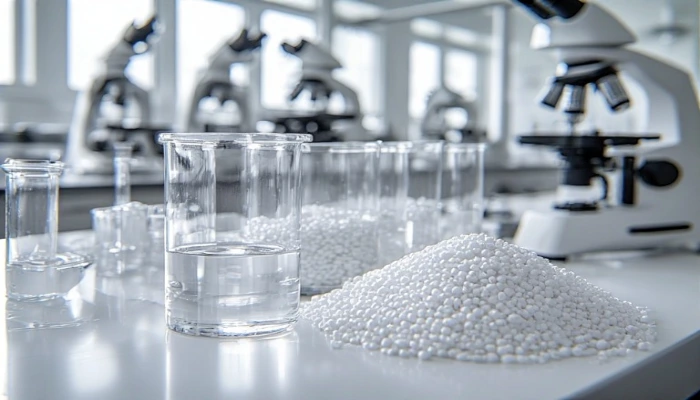
Thermal Insulation: The Heroism of EPS Granules
Energy efficiency is no longer an option; it is a legal requirement in many jurisdictions. Expanded Polystyrene (EPS), derived from specific grades of Polystyrene granule, is the gold standard for insulation.
- Exterior Insulation and Finish Systems (EIFS): EPS boards act as a thermal blanket for buildings, preventing heat loss in winter and heat gain in summer.
- Geofoam in Civil Engineering: High-density EPS is used as a lightweight fill material for road embankments and bridge abutments, preventing soil settling issues.
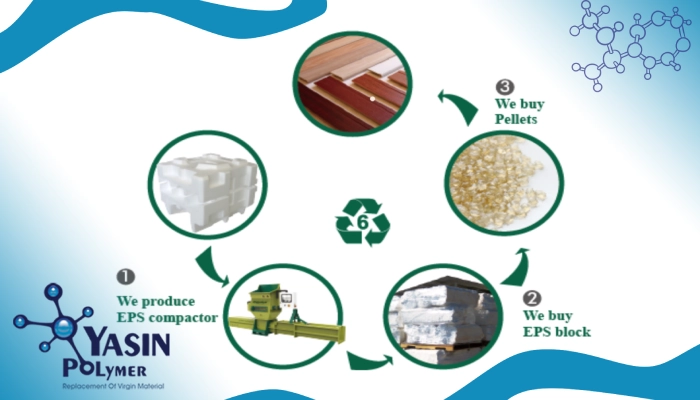
For companies prioritizing ESG (Environmental, Social, and Governance) goals, the transition toward Recycled EPS Granule is a game-changer. By incorporating recycled content into insulation boards, developers can achieve higher LEED certifications while significantly lowering the carbon footprint of the project.
The Economic Logic of Recycled GPPS Granule
In the competitive landscape of construction, material costs can dictate the viability of a project. This is where Recycled GPPS Granule enters the equation.
Performance vs. Cost
Modern recycling technologies, like those employed by Yasin Polymer, ensure that Recycled GPPS Granule retains nearly 90-95% of the mechanical properties of virgin resin. This makes it ideal for:
- Protective Packaging: Keeping delicate construction components safe during transit.
- Sub-flooring materials: Providing a moisture barrier and impact sound insulation.
- Cable Insulation: Protecting electrical systems in low-stress environments.
Iran’s Strategic Role: Polystyrene Granule Iran
When sourcing polymers, geographic and economic factors are vital. The term Polystyrene granule Iran has become synonymous with “High Quality at Competitive Pricing.”
Why Source from Iran?
- Abundant Feedstock: Access to direct naphtha and gas supplies ensures a continuous production cycle of GPPS.
- Technological Advancement: Iranian refineries utilize European-standard polymerization techniques.
- Logistical Advantages: Positioned as a bridge between East and West, suppliers like Yasin Polymer can efficiently export to the CIS, Middle East, and Europe.
Comparative Analysis: Virgin vs. Recycled Granules in Infrastructure
| Feature | Virgin GPPS | Recycled GPPS Granule | Recycled EPS Granule |
| Clarity | Crystal Clear | Translucent/Opaque | N/A (Foam based) |
| Common Use | Glazing, Petri dishes | Hangers, Frames, Sub-floors | Insulation, Road fill |
| Cost Impact | Premium | Economical | Highly Sustainable |
| Carbon Footprint | Moderate | Low | Lowest |
Circular Economy in Construction
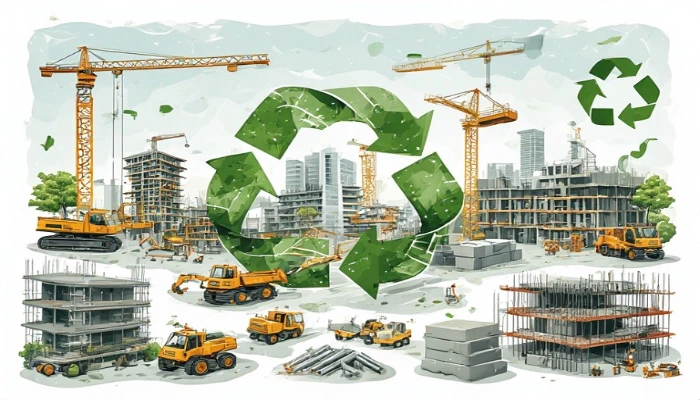
The future of the building industry is circular. The use of Recycled EPS Granule and Recycled GPPS Granule allows the construction sector to “mine” its own waste. Instead of sending old insulation or packaging to landfills, it is re-processed into high-performance granules that start a new life inside a concrete wall or under a highway.
Quality Control and Specifications at Yasin Polymer
Quality control in polymer production is not merely a final inspection; it is a rigorous, multi-stage scientific process. At Yasin Polymer, the production of every Polystyrene granule batch follows strict ISO 9001 and ISO 14001 standards to ensure global competitiveness. Whether we are dealing with virgin GPPS or specialized recycled grades, our laboratory focuses on three critical technical pillars:
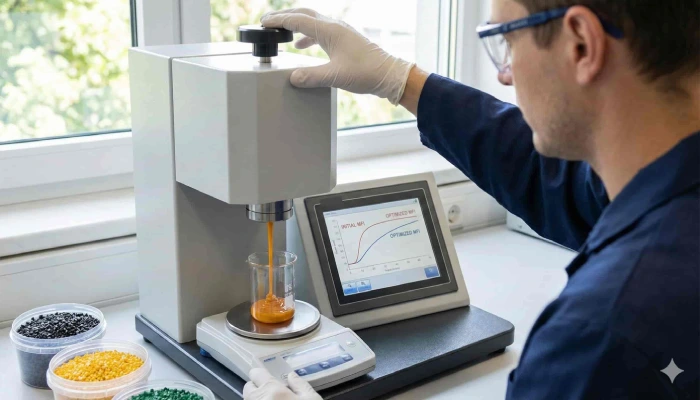
Melt Flow Index (MFI) Optimization
The Melt Flow Index is perhaps the most vital parameter for any plastic manufacturer. It measures the ease of flow of the melted polymer.
- Precision Engineering: At Yasin Polymer, we calibrate the MFI of our Polystyrene granule to match the specific requirements of the client’s machinery. A high MFI is essential for thin-walled injection molding, while a lower MFI is preferred for robust extrusion processes.
- Consistency: For Recycled GPPS Granule, maintaining a consistent MFI is a challenge that we solve through advanced homogenization techniques. This ensures that our clients do not have to constantly recalibrate their machines, reducing downtime and increasing production efficiency.
Advanced Thermal Stability and Heat Deflection
Construction materials are often exposed to extreme environmental stressors. Our Polystyrene granule Iran production line includes thermal stability testing that measures how the polymer behaves under prolonged heat exposure.
- VICAT Softening Point: We test the temperature at which the polymer starts to lose its structural rigidity. This is crucial for GPPS used in outdoor glazing or lighting fixtures.
- Oxidative Induction Time (OIT): Especially for our Recycled EPS Granule, we ensure the material can withstand the thermal processing required during steam chest molding without degrading. This ensures that the insulation panels produced from our granules maintain their R-value (thermal resistance) for the entire lifespan of the building.
Purity and Contamination Control in Recycled Streams
The biggest barrier to using recycled materials in construction is the fear of impurities. At Yasin Polymer, we have revolutionized the cleaning process for Recycled GPPS Granule and Recycled EPS Granule.
- Filtration and Degassing: Our extrusion lines utilize multi-stage laser filters that remove microscopic contaminants—metal, wood, or non-PS plastics—that could cause structural weak points or “bubbles” in the final product.
- Volatile Organic Compound (VOC) Reduction: We employ advanced degassing units to ensure that our Polystyrene granule is free from odors and residual monomers, making it safe for indoor residential applications. This level of purity ensures that our recycled products are nearly indistinguishable from virgin GPPS in terms of tensile strength and impact resistance.
Impact Strength and Tensile Testing
To ensure that the construction components made from our materials can handle structural loads, we perform Charpy and Izod impact tests.
- Structural Reliability: We measure the “Elongation at Break” for every batch of Polystyrene granule. This ensures that if a GPPS partition is struck, it behaves predictably rather than shattering dangerously. This focus on safety and mechanical integrity is why Yasin Polymer is considered the best center for polymer supplies in the region.
Conclusion: Choosing the Right Partner
The application of polystyrene in construction is an evolving science. From the raw Polystyrene granule to the final insulating panel or decorative trim, quality is the only variable that cannot be compromised.
As a leading name in the industry, Yasin Polymer provides the bridge between raw petrochemical potential and architectural excellence. Whether you require high-clarity GPPS for glazing or sustainable Recycled EPS Granule for large-scale civil projects, our expertise in the Polystyrene granule Iran market ensures your project is built to last.
frequently asked questions
1. What are the primary advantages of sourcing Polystyrene granule Iran for international projects?
Sourcing Polystyrene granule Iran offers a unique combination of high-grade purity and economic efficiency. Due to Iran’s direct access to upstream petrochemical feedstocks, suppliers like Yasin Polymer can provide consistent batches of GPPS with superior thermal stability. Furthermore, the strategic geographical location of Iran allows for faster shipping and lower logistical costs to markets across the CIS, Middle East, and Europe, making it a highly competitive hub for polymer procurement.
2. Can Recycled GPPS Granule fully replace virgin resin in construction applications?
In many applications, yes. While virgin GPPS is preferred for high-clarity glazing, Recycled GPPS Granule is an excellent and sustainable alternative for structural components like sub-flooring, protective panels, and decorative moldings. Modern filtration technologies used at Yasin Polymer ensure that the mechanical properties of our recycled granules remain remarkably close to virgin standards, allowing firms to meet green building certifications without sacrificing durability.
3. How does Recycled EPS Granule contribute to building energy efficiency?
Recycled EPS Granule is the primary raw material for high-performance insulation boards. Its closed-cell structure creates a powerful thermal barrier that minimizes heat exchange between the building’s interior and the external environment. By utilizing recycled content, developers can achieve significant energy savings in HVAC systems while simultaneously reducing the embodied carbon of the construction project, aligning with global Net-Zero energy goals.
4. How does Yasin Polymer ensure the consistency of MFI in its Polystyrene granule batches?
Consistency is our hallmark. Every batch of Polystyrene granule undergoes rigorous testing in our specialized laboratories to measure the Melt Flow Index (MFI). For our Recycled GPPS Granule and Recycled EPS Granule lines, we utilize advanced blending and homogenization silos. This ensures that the flow characteristics remain uniform throughout the entire shipment, preventing costly recalibrations of our clients’ injection molding or extrusion machinery.