GPPS vs HIPS: A Technical Comparison for Manufacturers
2025-12-31
The Vital Application of Polystyrene in Construction
2026-01-24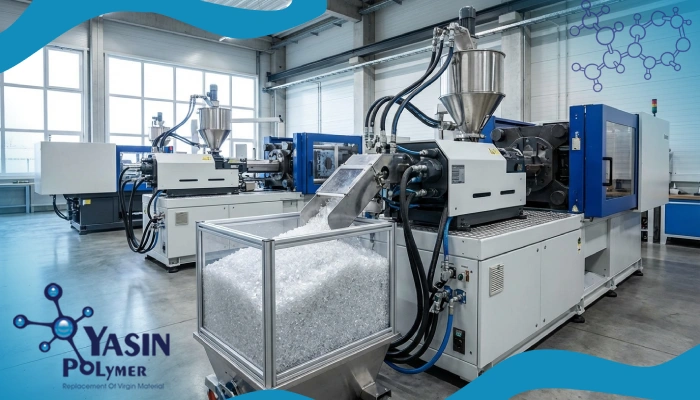
Recycled GPPS Granule Applications
In the competitive landscape of plastic manufacturing, raw material costs can make or break a product line’s profitability. For decades, virgin General Purpose Polystyrene (GPPS) has been the gold standard for clarity and ease of processing. However, with rising petrochemical prices and a global shift toward sustainability, manufacturers are increasingly turning to recycled alternatives.
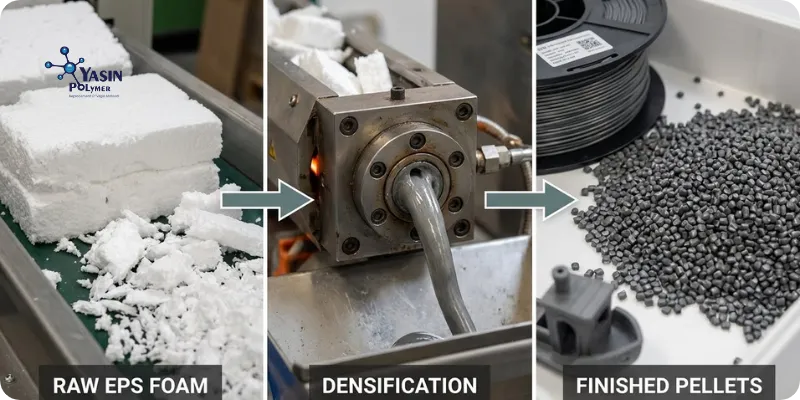
Recycled GPPS granule applications have expanded significantly in recent years. No longer seen merely as “waste,” high-quality recycled granules (often referred to as reprocessed or regrind PS) offer a strategic advantage for specific industries. For global manufacturers—and particularly those sourcing Polystyrene granule Iran—finding the right balance between quality and cost is paramount.
This guide explores where recycled GPPS shines, the technical challenges of using it, and how to integrate it into your production line without sacrificing essential product quality.
Why Manufacturers are Switching to Recycled GPPS?
Before diving into specific applications, it is essential to understand the economic and environmental drivers pushing the industry toward recycled materials.
1. Significant Cost Reduction
The primary motivator is price. Virgin GPPS is directly tied to crude oil prices and fluctuates unpredictably. Recycled GPPS granules generally trade at a lower price point, allowing manufacturers to maintain competitive pricing on finished goods, especially for disposable or non-critical items.
2. Sustainability and Corporate Responsibility
Consumers and governments are demanding “greener” products. utilizing recycled materials helps companies meet sustainability goals, reduce their carbon footprint, and comply with emerging regulations regarding plastic waste management and circular economy principles.
3. Processing Versatility
One of the key strengths of General Purpose Polystyrene is its ease of processing. Fortunately, this property is largely retained in recycled grades. It can often be blended with virgin material (e.g., a 20-30% ratio) to reduce costs while maintaining acceptable physical properties.
Key Industrial Applications of Recycled GPPS Granules
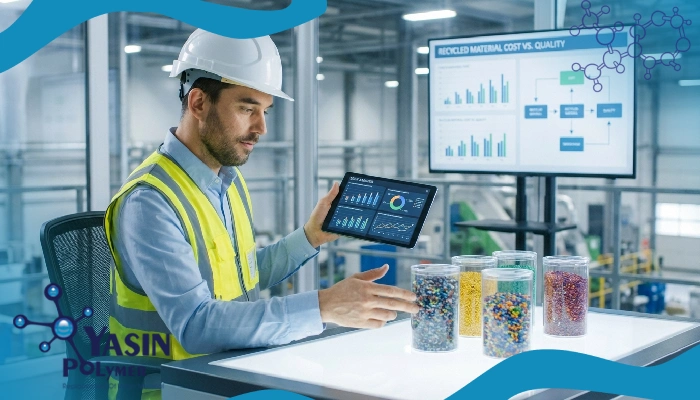
Not every product is suitable for recycled material. The recycling process (mechanical recycling) often induces a slight yellow tint or a reduction in transparency compared to virgin crystal grades. Therefore, the best recycled GPPS granule applications are those where optical clarity is secondary to rigidity and cost.
Construction and Insulation (XPS Boards)
One of the largest consumers of recycled polystyrene is the construction industry.
- XPS Insulation Boards: Extruded Polystyrene (XPS) foam boards do not require transparency. They rely on the thermal insulation properties of the polymer. Recycled GPPS is widely used here because the material is foamed and often colored (usually pink, blue, or green), completely masking any visual imperfections of the recycled feedstock.
- Cornices and Ceiling Tiles: Rigid decorative elements used in interiors often utilize recycled grades, as they are typically painted or coated after molding.

Non-Food Packaging & Rigid Containers
- While food contact regulations are strict, the non-food packaging sector offers immense opportunities.
Protective Packaging: Rigid trays used to hold electronics, hardware, or tools during shipping benefit from the stiffness of GPPS but do not require crystal clarity. - Flower Pots and Seedling Trays: These items are almost exclusively produced using black or dark-colored recycled PS to block light and hide material inconsistencies.
- Industrial Spools: Reels for wire, cable, or thread are frequently molded from recycled GPPS due to the need for dimensional stability and low cost.
Consumer Goods & Office Supplies
This sector includes “classic” uses where the plastic is hard, shiny, but not necessarily glass-clear.
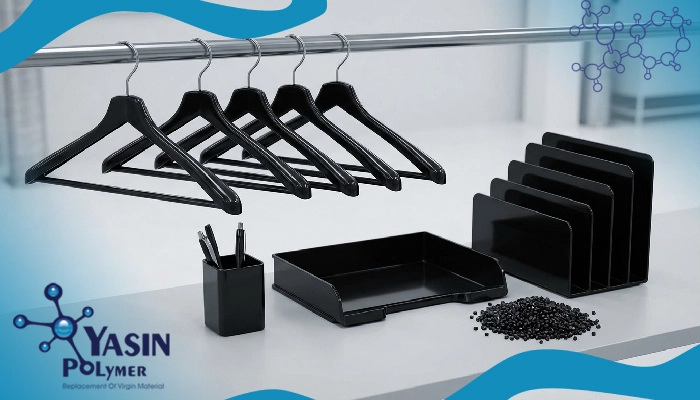
- Coat Hangers: The ubiquitous black plastic coat hanger is a prime example. The brittleness of GPPS is acceptable here, and the black masterbatch hides the yellowing of recycled material.
- Office Accessories: Items like solid rulers, desk organizers, and clipboard backings.
- CD and DVD Jewel Cases: While virgin material is used for the clear cover, the dark grey or black trays inside are often molded from recycled content.
Decorative Items & Toys
- Toy Components: Internal structural parts of toys, or external parts that will be painted or metalized (vacuum plated), are excellent candidates.
- Picture Frames: Faux-wood picture frames are often extruded from recycled PS. The material holds embossed textures well and can be foiled to look like wood or metal.
Technical Considerations: Challenges and Solutions
Switching from virgin to recycled resin is not always a “drop-in” solution. Engineering managers must address specific behaviors of recycled polymers.
1. Addressing the “Yellowing” Issue
Challenge: Repeated thermal history (heating and cooling) causes degradation in the polymer chains, leading to a yellowish tint. This makes it unsuitable for “crystal clear” applications. Solution:
- Color Correction: Use blue tinters or optical brighteners to counteract the yellowing if a semi-transparent look is needed.
- Opaque Molding: The most common solution is to color the product. Using black, dark blue, or grey masterbatches completely eliminates the visual issue.
2. Dealing with Brittleness
Challenge: GPPS is naturally brittle. Recycled GPPS can be even more brittle due to shorter polymer chains resulting from degradation. Solution:
- Blending with HIPS: Adding a percentage of High Impact Polystyrene (HIPS) regrind or off-grade material can significantly improve toughness.
- Impact Modifiers: Specific additives (SBS rubber) can be compounded into the recycled granules to restore flexibility and prevent cracking during ejection from the mold.
3. Processing Consistency
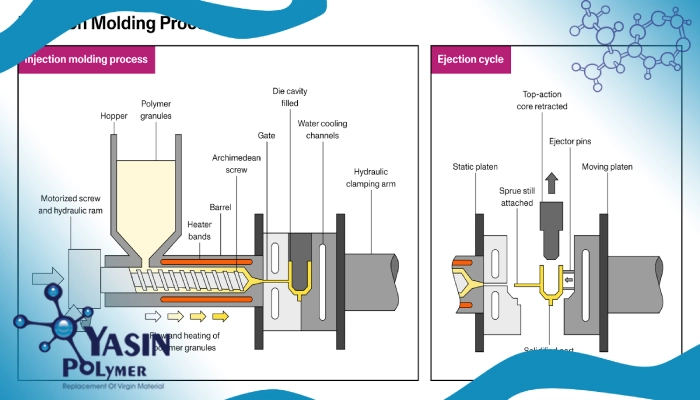
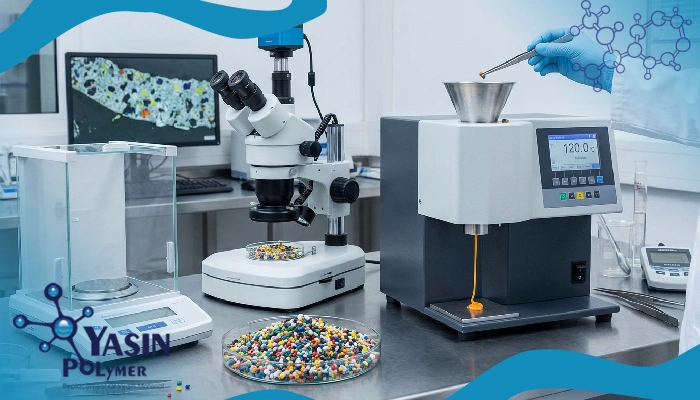
Challenge: Recycled batches can vary in Melt Flow Index (MFI). Solution: Ensure your supplier blends large batches (homogenization) before delivery. On the production floor, machine operators may need to adjust injection pressures and temperatures slightly lower than virgin settings to prevent burning the already sensitive material.
When NOT to Use Recycled GPPS? (Limitations)
- Honesty is crucial in manufacturing. There are specific scenarios where recycled grades are ill-advised, and sticking to virgin material is the only safe option.
- High-End Optical Parts: If your product requires glass-like transparency (e.g., lab test tubes, cosmetic jars, or high-end display cases), recycled GPPS will likely fail quality control due to haze or silver streaks.
- Direct Food Contact: Unless the material has gone through authorized “Super Clean” recycling processes (which is rare for standard mechanical GPPS recycling), it should not be used for direct food contact items like disposable cutlery or cups. FDA and EU regulations are strict regarding migration limits.
Note: For a deeper dive into the structural and chemical differences between these material grades, read our detailed comparison on [Virgin vs. Recycled GPPS Granules].
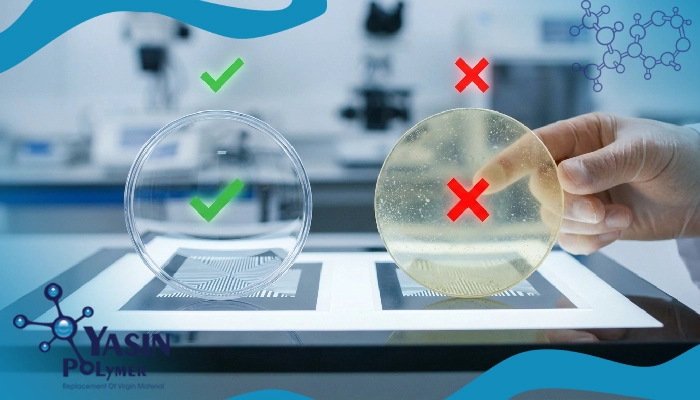
How to Identify High-Quality Recycled GPPS Granules?
- Not all recycled granules are created equal. To ensure your production line runs smoothly, use this checklist when sourcing material:
- Visual Inspection: The granules should be uniform in size (lentil or cylindrical shape). Look for “black specks” or contamination, which indicates poor filtration during the recycling pelletizing process.
- Filtration Mesh Size: Ask the supplier what mesh size was used during recycling. A finer mesh (e.g., 100-120 mesh) ensures that paper labels, dust, and metal particles have been removed.
- Melt Flow Index (MFI) Testing: Request a datasheet. The MFI should be consistent from bag to bag. Inconsistent flow will cause short shots or flash in your molds.
- Smell Test: High-quality recycled GPPS should not have a strong, acrid odor. A bad smell indicates severe thermal degradation or contamination with other plastics.
Conclusion
Recycled GPPS granules offer a powerful opportunity for manufacturers to reduce costs and embrace sustainability. While they cannot replace virgin material in high-optical or food-grade applications, they are the undisputed champion for construction insulation, rigid packaging, and opaque consumer goods.
Success lies in matching the right material grade to the right application. By understanding the limitations and utilizing technical solutions like masterbatches and blending, you can produce high-quality parts at a fraction of the cost.
Ready to optimize your raw material costs? At Yasin Polymer, we specialize in sourcing and supplying both premium virgin and high-grade recycled polystyrene suited for your specific machinery. Contact us today for a consultation or to request a sample of our current inventory.
Frequently Asked Questions
Yes, blending is very common. Manufacturers often mix 10% to 30% recycled GPPS with virgin material to reduce costs without significantly compromising the physical properties or transparency of the final product. However, it is recommended to test the mixture on a small scale first to ensure color consistency. Generally, recycled GPPS has a slightly higher Melt Flow Index (MFI) due to polymer chain degradation from previous heat histories. You may need to lower the barrel temperature slightly (by 5-10°C) and adjust the injection pressure to prevent flashing or burning the material. Silver streaks (splay marks) are often caused by moisture trapped in the granules. Even though GPPS is not highly hygroscopic, recycled granules can absorb surface moisture if stored improperly. It is highly recommended to dry the recycled granules for 1-2 hours at 70°C before processing to eliminate surface moisture. No, standard GPPS (whether virgin or recycled) has poor UV resistance. Exposure to sunlight will cause the material to yellow rapidly and become brittle. If outdoor use is necessary, UV stabilizers must be added, or the part should be painted/coated to protect the polymer structure.