The Role of Styrene Monomer in GPPS Production
2025-11-22
Advanced Recycling Technologies for Polystyrene Waste
2025-11-29
Future of Polystyrene in a Circular Economy
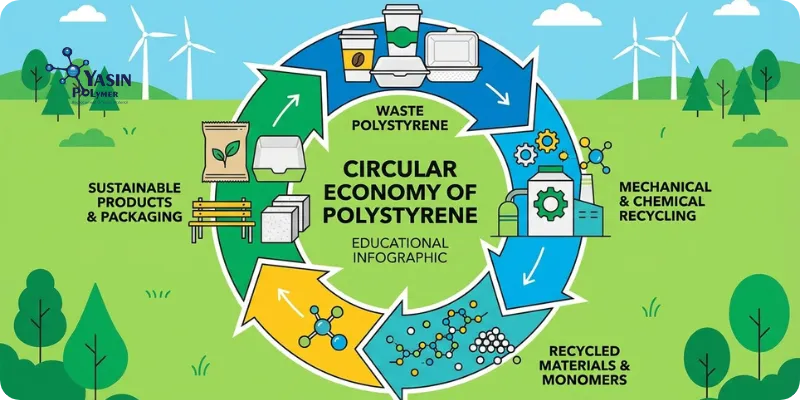
The future of polystyrene in a circular economy is increasingly shaped by sustainable practices and innovative recycling technologies. Today, industries are moving beyond single-use applications by integrating mechanical and chemical recycling methods, which allow polystyrene to be repurposed into new products without losing material quality. Companies are also exploring design strategies that reduce contamination and improve collection, making recycling more efficient. For businesses and consumers, this shift means polystyrene can contribute to a closed-loop system, minimizing waste and environmental impact. Adopting these approaches requires collaboration between manufacturers, waste management systems, and policymakers to ensure that recycled polystyrene meets safety and performance standards. By focusing on practical solutions, the material can remain valuable while supporting global sustainability goals.
Key Challenges for Polystyrene Circularity
Achieving circularity for polystyrene faces several practical challenges that impact recycling and sustainability efforts. One major issue is the material’s low recycling rate due to contamination and the difficulty of separating polystyrene from other plastics in waste streams. Additionally, polystyrene products are often lightweight and bulky, making transportation and collection inefficient. Technological limitations in current recycling methods also restrict the ability to produce high-quality recycled polystyrene suitable for reuse in manufacturing. On top of these technical obstacles, economic factors—such as the low market value of recycled polystyrene compared to virgin material—reduce incentives for companies to invest in recycling infrastructure. Addressing these challenges requires coordinated efforts across policy, innovation, and industry practices to improve collection systems, advance recycling technologies, and create viable markets for recycled polystyrene.
Innovations Driving Polystyrene Recycling
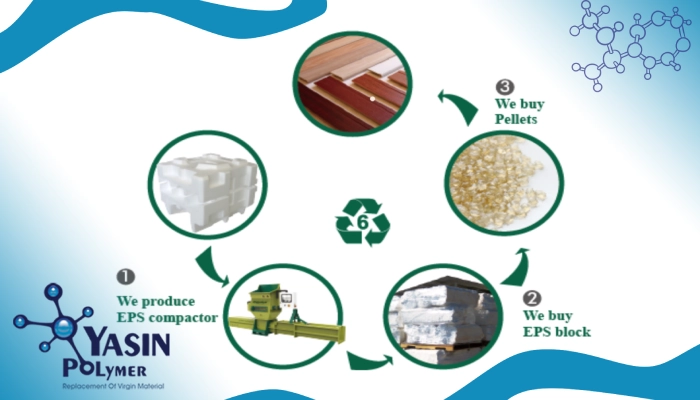
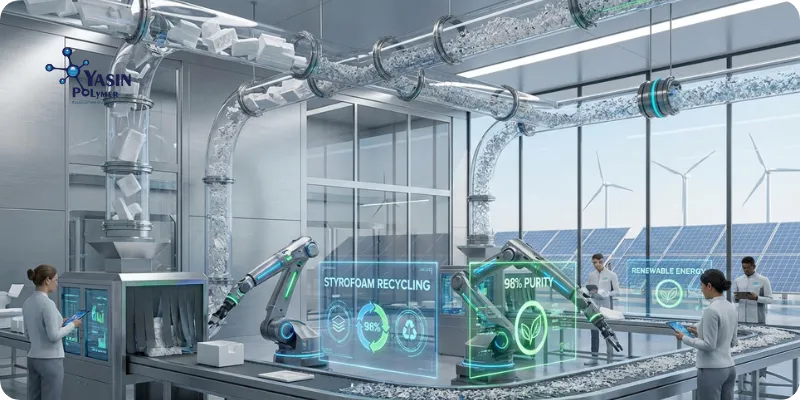
Recent innovations in polystyrene recycling are transforming how this versatile plastic is reused and repurposed. Advanced chemical recycling techniques now allow polystyrene to be broken down into its original monomers, producing high-quality recycled material suitable for manufacturing new products. On the mechanical side, automated sorting systems and improved shredding technologies increase the efficiency of collecting and processing polystyrene waste, reducing contamination and energy consumption. Industry collaborations and research initiatives are also introducing bio-based additives and solvent-based processes that enhance the recyclability of expanded polystyrene (EPS). These innovations not only minimize environmental impact but also create practical, cost-effective solutions for manufacturers and recycling facilities, making polystyrene recycling more sustainable and widely feasible than ever before.
Mechanical vs Chemical Recycling for Polystyrene
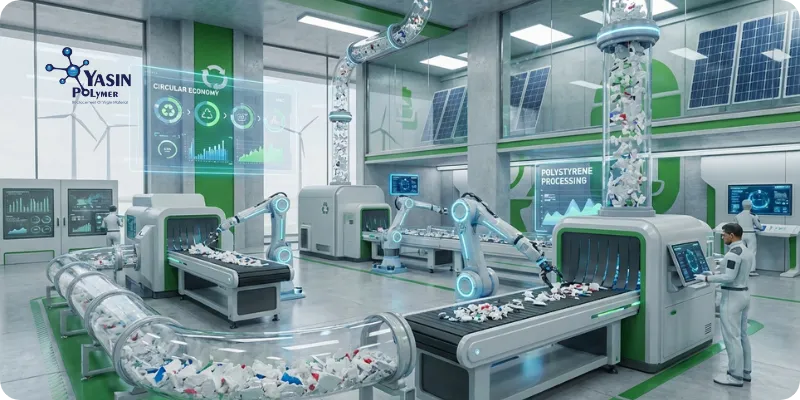
Recycling polystyrene can be achieved through two main approaches: mechanical and chemical. Mechanical recycling involves physically processing waste polystyrene into reusable pellets or granules. This method is cost-effective, energy-efficient, and suitable for clean, uncontaminated plastic waste. However, repeated mechanical recycling can degrade the polymer, reducing material quality over time. Chemical recycling, on the other hand, breaks polystyrene down into its original monomers or other valuable chemicals through processes like depolymerization. This approach allows for recycling even contaminated or mixed waste and produces high-quality output, though it generally requires more energy and advanced technology. Choosing between the two depends on the type of waste, desired quality, and sustainability goals.
| Feature | Mechanical Recycling | Chemical Recycling |
| Process | Physical shredding and remelting | Depolymerization to monomers or chemicals |
| Suitable Waste | Clean, uncontaminated polystyrene | Contaminated or mixed polystyrene |
| Energy Requirement | Low | High |
| Material Quality After Recycling | May decrease after multiple cycles | Maintains high quality |
| Cost | Generally lower | Higher due to technology and energy |
| Practical Use | Packaging, construction, insulation | Feedstock for new polystyrene or chemicals |
Reusing EPS in Construction and Insulation
Expanded Polystyrene (EPS) has become a valuable material for sustainable construction practices due to its lightweight, insulating, and durable properties. Reusing EPS not only reduces waste but also offers practical benefits for building projects. Here’s how EPS can be effectively applied:
- Thermal Insulation: EPS panels can be incorporated into walls, roofs, and floors to improve energy efficiency. Reused EPS maintains its insulating performance, helping buildings reduce heating and cooling costs.
- Lightweight Fill: In civil engineering projects, EPS can serve as lightweight fill in embankments, roads, and foundations, lowering structural load without compromising stability.
- Acoustic Applications: Reused EPS can enhance soundproofing in partitions and ceilings, contributing to a quieter indoor environment.
- Moisture Resistance: Properly treated EPS resists water absorption, making it suitable for damp areas, basements, and exterior insulation finishing systems (EIFS).
- Ease of Handling and Installation: EPS is easy to cut, shape, and install, allowing contractors to adapt it for custom applications and reduce construction time.
- Environmental Benefits: By reusing EPS, builders reduce landfill waste, lower carbon emissions from manufacturing new material, and contribute to a circular economy in construction.

Environmental Impact and Life‑Cycle Benefits
Polystyrene materials, when managed responsibly, offer notable environmental advantages throughout their life cycle. By utilizing recycled polystyrene and implementing circular economy practices, manufacturers can significantly reduce greenhouse gas emissions and lower the demand for virgin resources. Life-cycle assessments highlight that products made from recycled polystyrene require less energy to produce, generate less waste, and support extended material reuse. For businesses and consumers alike, choosing recycled or responsibly processed polystyrene not only minimizes environmental impact but also contributes to sustainable production practices that align with modern regulatory standards and industry best practices.
Policy, Regulation, and Industry Incentives
Policies, regulations, and industry incentives play a critical role in shaping sustainable practices and market behavior. Clear regulations provide a framework for compliance, ensuring that companies meet environmental and safety standards while maintaining fair competition. Industry incentives, such as tax credits, grants, or subsidies, encourage innovation and adoption of best practices by reducing financial barriers. For businesses, understanding these frameworks is essential to align operations with current legal requirements and to take advantage of available support programs. Staying informed about policy updates and incentive changes allows organizations to act proactively, minimize risks, and implement effective, responsible strategies that are both economically and environmentally beneficial.
Future Applications and Market Trends for Recycled PS
Recycled polystyrene (PS) is gaining attention as industries seek sustainable materials. Understanding its future applications and market trends can help businesses and researchers make informed decisions. Key points include:
- Construction Materials: Recycled PS is increasingly used in insulation panels, lightweight concrete, and modular building components, offering energy efficiency and durability.
- Packaging Innovations: Companies are developing recyclable and reusable PS packaging solutions to reduce environmental impact while maintaining product protection.
- Automotive Industry: Recycled PS is being integrated into vehicle interiors and lightweight components, contributing to fuel efficiency and emission reduction.
- Consumer Products: Everyday items such as furniture, electronics casings, and household goods are incorporating recycled PS, promoting circular economy practices.
- Market Dynamics: Growth is driven by regulatory pressure for sustainable materials, technological advances in recycling processes, and rising consumer demand for eco-friendly products.
By focusing on these areas, stakeholders can leverage recycled PS effectively while contributing to environmental sustainability.
Infrastructure and Scale-Up Barriers for Polystyrene Circularity
Transitioning polystyrene recycling from pilot projects to large-scale operations faces several practical barriers. Current recycling infrastructure is often limited, with many facilities unable to process diverse types of polystyrene efficiently. Contamination and material separation challenges reduce both the quality and economic viability of recycled output. Additionally, logistical issues such as collection, transport, and sorting add complexity and cost to scaling operations. Overcoming these barriers requires coordinated investment in advanced sorting technologies, regional recycling hubs, and standardized collection practices. Industry partnerships, supported by clear regulatory frameworks, are also essential to expand capacity while maintaining environmental and economic sustainability. Addressing these infrastructure gaps is a critical step toward achieving a truly circular polystyrene economy.
Conclusion
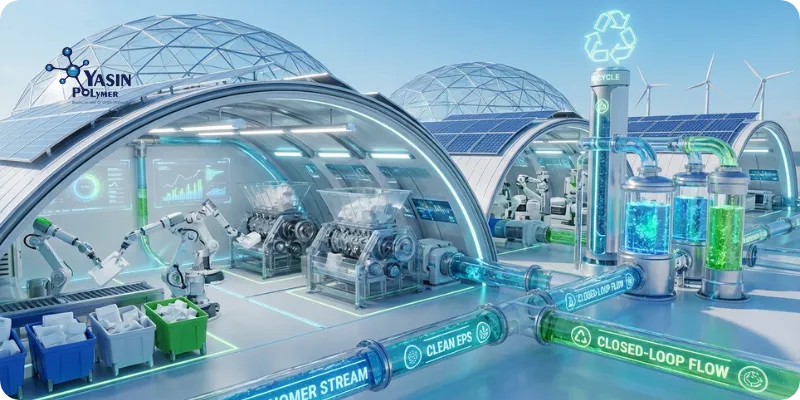
The future of polystyrene in a circular economy depends on a combination of technological innovation, strong policy frameworks, and coordinated industry action. While challenges such as contamination, low recycling rates, and infrastructure gaps persist, advancements in both mechanical and chemical recycling are opening new pathways for high-quality material recovery. As markets evolve and sustainable practices gain momentum, polystyrene can transition from a traditionally linear, disposable material to a valuable resource within a closed-loop system. With continued collaboration across manufacturers, recyclers, and policymakers, polystyrene has the potential to support long-term environmental and economic sustainability.
FAQs
1. Why is polystyrene challenging to recycle in a circular economy?
Polystyrene is difficult to recycle because it is often contaminated, lightweight, and bulky, making sorting, transportation, and processing inefficient. These factors reduce recycling rates and limit the quality of recycled material.
2. What innovations are improving polystyrene recycling?
Advanced chemical recycling, automated mechanical sorting systems, solvent-based purification, and bio-based additives are helping increase recycling efficiency, reduce contamination, and produce higher-quality recycled polystyrene suitable for new applications.
3. How does chemical recycling differ from mechanical recycling for polystyrene?
Mechanical recycling reshapes polystyrene through shredding and remelting, which is energy-efficient but best for clean waste. Chemical recycling breaks the polymer down into monomers, enabling high-quality output even from contaminated or mixed waste, though it requires more energy and specialized technology.
4. What are the key market drivers for recycled polystyrene?
Growing regulatory pressure for sustainability, advances in recycling technologies, and rising consumer demand for eco-friendly products are fueling market growth. Industries like construction, packaging, automotive, and consumer goods increasingly incorporate recycled PS.