The 19th IranPlast International Exhibition
2025-10-05
Types of EPS in Sustainable Architecture
2025-10-19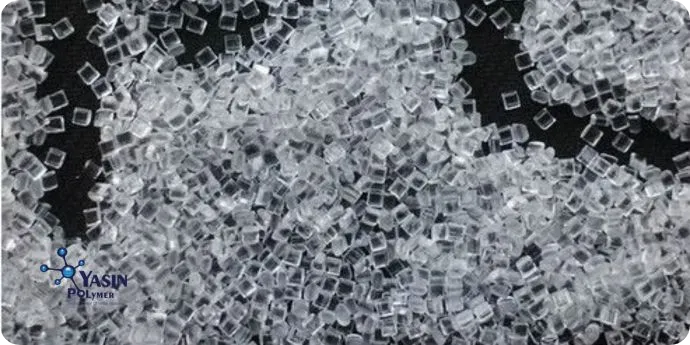
Top Uses of Polystyrene Granules in Iran’s Manufacturing Industry
Polystyrene granules are lightweight, versatile plastic materials widely used in numerous industrial sectors across Iran. Known for their excellent insulation, durability, and cost-effectiveness, these granules serve as essential raw materials in products ranging from consumer packaging to large-scale construction components. Their adaptability makes them a cornerstone of Iran’s fast-growing manufacturing economy. From packaging to construction, polystyrene granules play a vital role in supporting the country’s push toward efficiency, innovation, and sustainable production. In this article, we’ll explore the key industrial applications of polystyrene granules, their contribution to Iran’s market development, and the reasons behind their increasing demand in various sectors.
What Are Polystyrene Granules?
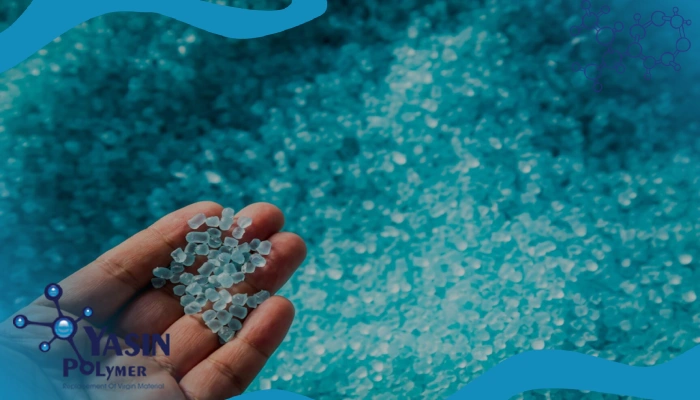
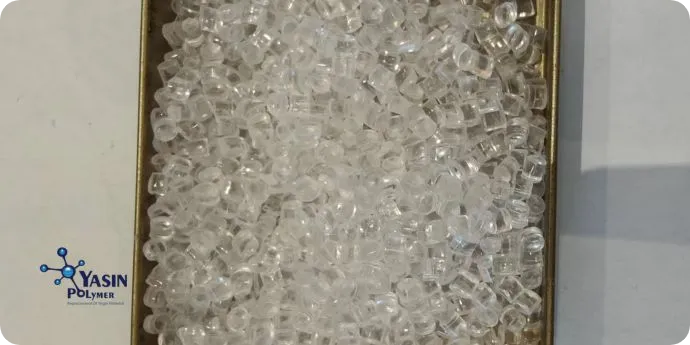
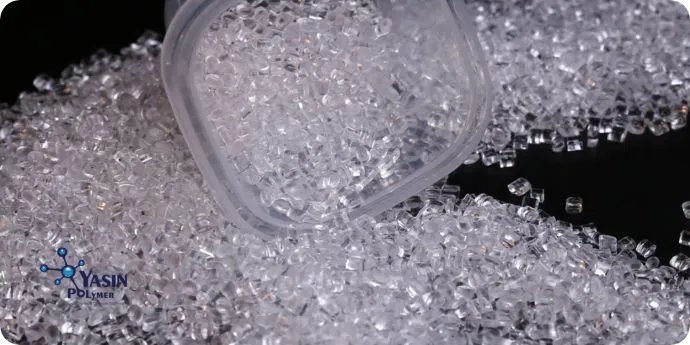
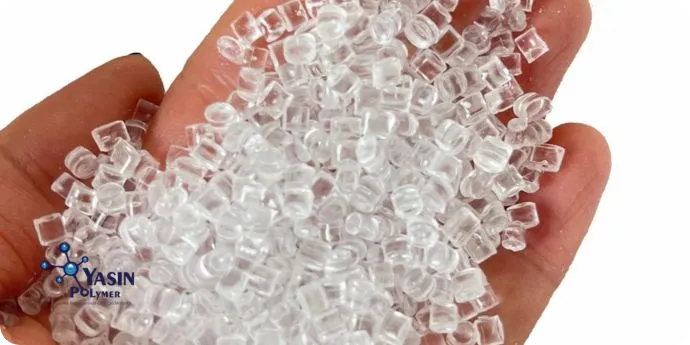
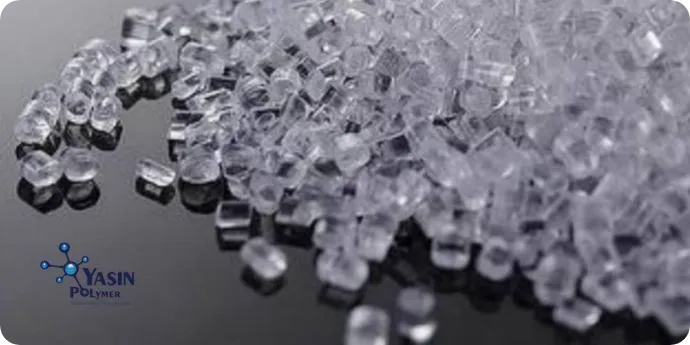
Polystyrene granules are thermoplastic materials derived from styrene monomers, commonly used in manufacturing lightweight and durable plastic products. In Iran’s industrial market, two main types are prevalent — Expanded Polystyrene (EPS) and General-Purpose Polystyrene (GPPS). EPS is widely used for insulation and packaging, while GPPS offers higher transparency and rigidity, making it suitable for consumer goods and electronics.
Polystyrene stands out from other plastics like polyethylene (PE) and polypropylene (PP) due to its superior shape stability, insulation capacity, and smooth surface finish. While PE and PP are more flexible, polystyrene provides a solid balance between form and functionality, which makes it ideal for precision-based applications.
In Iran, polystyrene granules are both locally produced—primarily by petrochemical companies such as Tabriz and Bandar Imam—and partly imported to meet the growing industrial demand.
| Type | Full Name | Key Properties | Common Uses |
| EPS | Expanded Polystyrene | Lightweight, excellent insulation, shock-resistant | Packaging, construction panels, insulation boards |
| GPPS | General-Purpose Polystyrene | Rigid, glossy, transparent, easy to mold | Household items, electronics casings, disposable goods |
This distinction helps Iranian manufacturers choose the right type of polystyrene granule based on their production goals and performance requirements.
Major Applications of Polystyrene Granules in Iran
Polystyrene granules serve as a key raw material across multiple industrial sectors in Iran. Their versatility, affordability, and adaptability to different production methods make them vital in shaping modern manufacturing. Below are the main industries where polystyrene granules are extensively used:
Packaging Industry
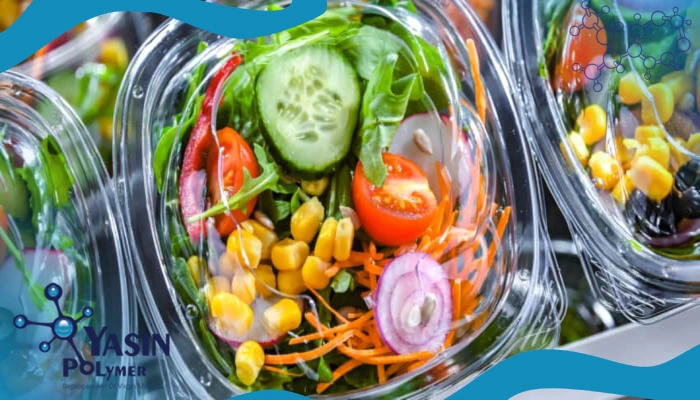
- Food and Beverage Containers: Polystyrene is widely used in producing disposable cups, trays, and food delivery boxes due to its lightweight and hygienic nature.
- Electronics and Industrial Packaging: The material’s shock absorption and moisture resistance protect sensitive items like electronic devices and mechanical components during transport.
- Cost-Effective Solution: Iranian packaging manufacturers prefer polystyrene for its low cost, easy molding, and ability to maintain product freshness.
In Iran, food delivery companies, restaurant suppliers, and industrial exporters rely heavily on EPS-based packaging for efficiency and product protection.
Construction and Insulation Materials
- Lightweight Concrete and Wall Panels: Polystyrene granules are mixed with concrete to reduce structural weight while maintaining strength.
- Thermal Insulation Boards: EPS panels are essential in creating energy-efficient buildings, especially suited to Iran’s hot summers and cold winters.
- Energy and Sustainability Goals: The Iranian government encourages the use of insulating materials to reduce energy consumption and support national sustainability targets.
These applications help builders achieve thermal comfort and long-term energy savings, aligning with Iran’s move toward greener construction standards.
Household and Consumer Products
- Appliances and Electronics: GPPS granules are used in TV casings, refrigerator interiors, and air conditioner parts.
- Toys and Furniture: Their ease of molding allows precise, durable, and safe product designs.
- Recycling and Safety: Many Iranian manufacturers are now adopting improved recycling systems and non-toxic formulations to meet modern safety standards.
This growing trend supports a more sustainable and eco-friendly domestic market.
Automotive Industry
- Interior Components: Polystyrene granules are molded into dashboards, trims, and panels for lightweight durability.
- Fuel Efficiency: Reducing component weight directly improves vehicle fuel economy and lowers carbon emissions.
- Thermal and Acoustic Insulation: EPS-based parts help minimize engine noise and temperature variations inside the cabin.
Iran’s automotive manufacturers use polystyrene as a cost-efficient and sustainable material for modern vehicle design.
Electronics and Electrical Equipment
- Protective Casings: GPPS is used for producing sleek, durable casings for TVs, radios, and home appliances.
- Insulation Components: Thanks to its high dielectric strength, polystyrene ensures reliable insulation in electrical circuits.
- Precision Molding: Its smooth surface and formability allow precise engineering of sensitive electronic parts.
As Iran’s electronics sector continues to expand, polystyrene granules remain crucial in ensuring product safety, performance, and design flexibility.
Advantages of Using Polystyrene Granules in Manufacturing
Polystyrene granules offer a wide range of advantages that make them one of the most practical and economical materials for Iran’s manufacturing sector. Their combination of mechanical strength, versatility, and affordability supports industries from packaging to construction.
Mechanical and Thermal Advantages
- Lightweight: Reduces product weight without compromising strength.
- Highly moldable: Easily shaped into complex forms with precision.
- Durable and stable: Maintains structure under pressure and temperature changes.
- Excellent insulation: Provides superior thermal resistance, ideal for both packaging and building applications.
Economic Benefits
- Cost-effective: Offers lower production costs compared to many other plastics.
- Easy to mass-produce: Compatible with high-speed molding and extrusion processes.
- Energy-efficient production: Requires less heat and material waste during manufacturing.
- Widely available: Produced domestically in Iran, reducing dependence on imports.
Environmental Considerations
- Recyclable: Modern facilities in Iran are increasing polystyrene recovery and reuse rates.
- Innovations in sustainability: Research is advancing toward biodegradable and eco-friendly polystyrene alternatives.
- Lower material waste: Lightweight design reduces overall plastic consumption in mass production.
The Market Landscape for Polystyrene in Iran
The polystyrene market in Iran has grown steadily over the past decade, driven by strong demand in packaging, construction, and automotive manufacturing. Local production capabilities and strategic industrial zones have helped Iran become a significant player in the regional plastics market.
Current Market Size and Trends
- Iran produces over 400,000 tons of polystyrene annually, with a growing share allocated to domestic industries.
- Exports mainly target neighboring countries such as Turkey, Iraq, and Pakistan, while imports supplement specialized GPPS grades not produced locally.
- Market trend: Increasing demand for lightweight, recyclable materials in construction and consumer goods sectors.
| Metric | Value |
| Annual Production | ~400,000 tons |
| Import Share | ~15% (mostly GPPS) |
| Export Destinations | Turkey, Iraq, Pakistan |
| Growth Rate (YoY) | 6–8% |
Key Industries Driving Demand
- Packaging Industry: The largest consumer of EPS and GPPS granules, focusing on food packaging and logistics.
- Construction Sector: Rising demand for insulation boards and lightweight panels to support energy efficiency goals.
- Automotive and Electronics: Continuous innovation in lightweight and heat-resistant components boosts usage.
Local Manufacturers and Industrial Zones
- Major production hubs are located in Assaluyeh, Tabriz, and Bandar Imam, home to leading petrochemical complexes.
- Tehran’s industrial zones and Karaj host numerous small and medium manufacturers converting granules into finished goods.
- Key producers such as Tabriz Petrochemical Company (TPC) and Bandar Imam Petrochemical play a central role in ensuring material availability across Iran.
Challenges and Environmental Concerns
Despite its versatility, polystyrene presents notable environmental challenges in Iran’s manufacturing sector. Improper disposal often leads to landfill accumulation, while fragmentation can contribute to microplastic pollution, affecting soil and water quality. Recycling rates remain limited due to contamination issues and insufficient infrastructure, making post-consumer waste management a significant concern.
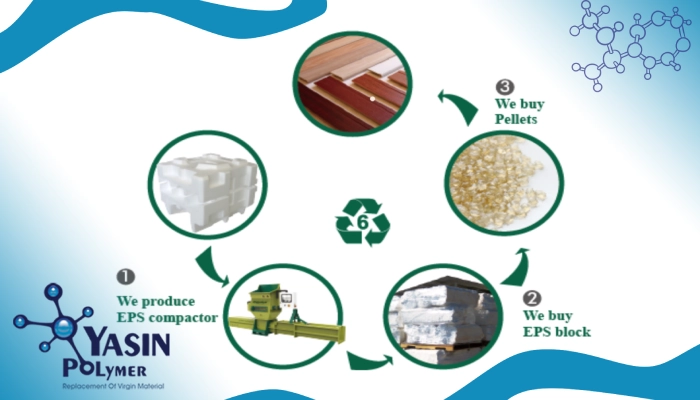
However, efforts are underway to address these problems. Several Iranian companies and municipal initiatives focus on collecting, cleaning, and reprocessing EPS and GPPS granules, turning them into usable raw materials for packaging and construction. Additionally, research into bio-based polystyrene and circular production methods offers promising pathways for more sustainable solutions. By combining regulatory support, industry innovation, and consumer awareness, Iran can gradually reduce environmental impacts while maintaining the economic benefits of polystyrene in manufacturing.
Future Trends and Innovations in Polystyrene Use
The future of polystyrene in Iran’s manufacturing sector is shaped by technological innovation and sustainability initiatives. Emerging applications such as 3D printing with polystyrene granules allow manufacturers to create complex, lightweight components with high precision, opening new possibilities in both industrial and consumer products. Advanced polymer blends are also being developed to enhance durability, thermal resistance, and recyclability, addressing longstanding environmental concerns.
Sustainability remains a key focus, with increased adoption of energy-efficient production processes and exploration of bio-based or recyclable polystyrene alternatives. These efforts align with Iran’s broader industrial and environmental goals, aiming to reduce carbon footprint while maintaining economic growth. Analysts predict steady market expansion, driven by rising demand in packaging, construction, and automotive industries, alongside potential regulatory frameworks encouraging eco-friendly production and waste management practices.
Overall, polystyrene granules are expected to remain a strategic material, with innovation and sustainability guiding their evolving role in Iran’s manufacturing landscape.
Conclusion
Polystyrene granules have established themselves as a versatile and essential material in Iran’s manufacturing sector. Their clarity, rigidity, lightweight nature, and cost-efficiency make them ideal for a wide range of applications, from packaging and construction to consumer goods, automotive, and electronics. The domestic production of EPS and GPPS, supplemented by selective imports, ensures material availability while supporting local industrial growth.
Despite challenges such as environmental impact and limited biodegradability, ongoing innovations—including recyclable, bio-based, and blended formulations—are paving the way for more sustainable and efficient use. With technological advancements like 3D printing and energy-efficient production methods, polystyrene granules are poised to maintain their critical role in Iran’s industrial development.
By adopting eco-conscious practices, manufacturers can balance economic benefits with environmental responsibility, ensuring polystyrene remains a strategic material for modern manufacturing.
Frequently Asked Questions (FAQ)
- What are the main types of polystyrene granules used in Iran?
Iran primarily uses Expanded Polystyrene (EPS) for insulation and packaging, and General-Purpose Polystyrene (GPPS) for rigid, transparent, and moldable consumer and electronic products. - How are polystyrene granules contributing to sustainable manufacturing?
Through mechanical recycling, bio-based alternatives, and energy-efficient production, polystyrene granules are increasingly integrated into eco-friendly processes, reducing waste and supporting circular economy initiatives. - Which industries in Iran use polystyrene granules the most?
The packaging, construction, automotive, electronics, and consumer goods industries are the primary consumers, leveraging EPS and GPPS for lightweight, durable, and cost-effective products. - What are the main environmental challenges of polystyrene in Iran?
Challenges include low biodegradability, landfill accumulation, and microplastic pollution. Limited recycling infrastructure and contamination of post-consumer waste also restrict recovery, although industry initiatives are gradually improving sustainability.