Top Uses of Polystyrene Granules in Iran’s Manufacturing Industry
2025-10-15
Recycled GPPS Vortex: Swirling Secrets of Core & Creation
2025-10-21
Types of EPS in Sustainable Architecture
Expanded Polystyrene (EPS) is a lightweight, rigid foam made from polystyrene beads that are expanded and fused together, creating a structure filled with tiny air pockets. This unique physical structure gives EPS excellent thermal insulation properties while keeping it strong and durable for construction purposes.
EPS is especially valuable in sustainable architecture because it significantly reduces energy consumption in buildings. Its ability to retain heat in winter and keep interiors cool in summer lowers reliance on heating and cooling systems, contributing to energy efficiency and a smaller carbon footprint.
Key properties that make EPS ideal for green building include:
- High thermal insulation: Maintains consistent indoor temperatures with minimal energy use.
- Lightweight yet strong: Reduces structural load without compromising durability.
- Moisture resistance: Prevents mold and structural damage over time.
- Recyclability: Can be reused or recycled, supporting circular construction practices.
Several modern buildings have successfully incorporated EPS to enhance sustainability. For example, the Bullitt Center in Seattle, recognized as one of the greenest commercial buildings in the world, uses EPS insulation to achieve high energy efficiency and long-term environmental performance.
Types of EPS Panels Used in Green Building
Expanded Polystyrene (EPS) panels are a cornerstone of sustainable construction, offering versatile solutions for insulation and structural applications. Understanding the different types of EPS panels helps architects and builders choose the right material for their projects.
- EPS Beads
EPS beads are lightweight, small granules commonly used for filling cavities, voids, and gaps in walls, floors, and roofs. They provide excellent thermal insulation and are ideal for irregular spaces where traditional boards cannot fit.
Advantages:
- Lightweight and easy to handle
- Fills complex shapes and cavities efficiently
- High insulation value for minimal material use
Limitations: - Requires containment or encasement for structural stability
- Less suitable for load-bearing applications
Real-world example: Used in insulated concrete forms (ICFs) for energy-efficient residential buildings.
- EPS Boards/Sheets
EPS boards or sheets come in standardized sizes and are widely used in walls, roofs, and floors. Their uniform shape ensures consistent insulation performance and straightforward installation.
Advantages:
- Easy to cut and install
- Provides uniform thermal performance
- Reduces construction time
Limitations: - Requires proper sealing to prevent moisture penetration
Real-world example: Commonly used in the insulation of commercial building roofs and external walls.
- Structural Insulated Panels (SIPs)
SIPs consist of an EPS core sandwiched between structural layers, such as oriented strand board (OSB). These panels combine insulation and structural support, making them ideal for energy-efficient and sustainable construction.
Advantages:
- Combines structural strength with insulation
- Speeds up construction
- Reduces air leakage for improved energy efficiency
Limitations: - Higher initial cost compared to standard boards
- Requires precise installation for maximum performance
Real-world example: Used in passive houses and net-zero energy buildings worldwide.
Comparison Overview:
| Type | Advantages | Applications | Limitations |
| EPS Beads | Lightweight, flexible, high insulation | Cavity filling, irregular spaces | Needs containment |
| EPS Boards/Sheets | Uniform thermal performance, easy installation | Walls, roofs, floors | Moisture management required |
| SIPs | Structural strength + insulation, energy efficient | Passive houses, commercial buildings | Higher cost, precise installation needed |
By selecting the appropriate EPS panel type, builders can enhance energy efficiency, reduce material waste, and contribute to sustainable architecture goals.
EPS vs. Alternative Insulation Materials
When designing sustainable buildings, choosing the right insulation material is critical for energy efficiency, cost-effectiveness, and environmental impact. Here is a comparison of common insulation materials:
| Material | Cost | Thermal Efficiency (R-value) | Lifespan / Durability | Environmental Impact |
|---|---|---|---|---|
| XPS (Extruded Polystyrene) | Moderate-High | R-5 per inch (approx.) | Highly durable, moisture-resistant | Recyclable, long lifespan |
| Fiberglass | Low | R-2.9 to R-3.8 per inch | Can lose effectiveness if wet, moderate lifespan | Made from recycled glass; energy-intensive production |
| Polyurethane (Spray Foam) | High | R-6 to R-7 per inch | Durable, adheres to surfaces, reduces air leaks | Higher embodied energy; difficult to recycle |
| Mineral Wool | Moderate-High | R-3.7 to R-4.3 per inch | Fire-resistant, long-lasting | Made from natural rock; energy-intensive production |
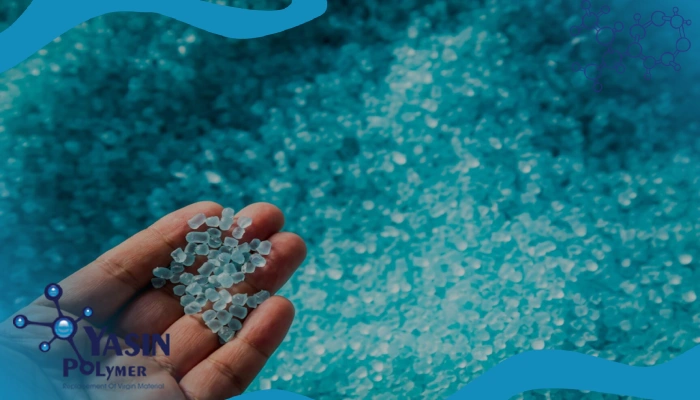
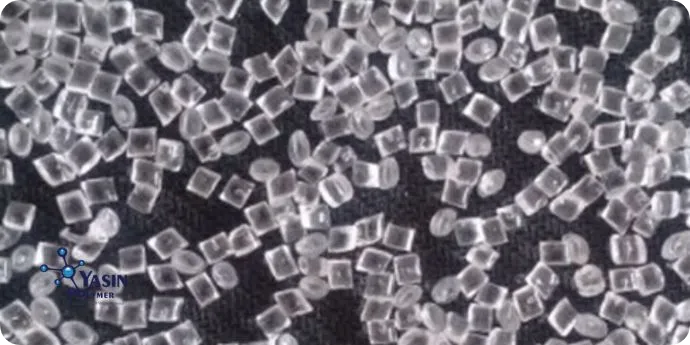
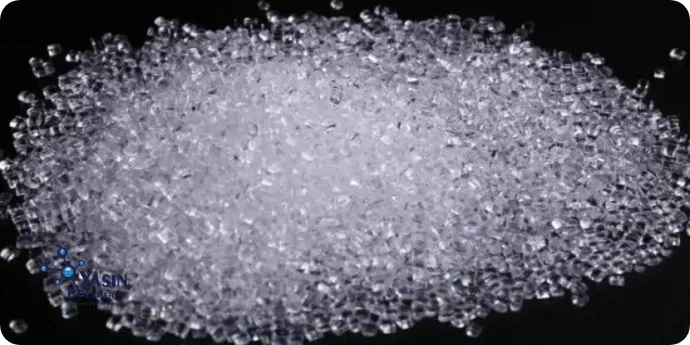
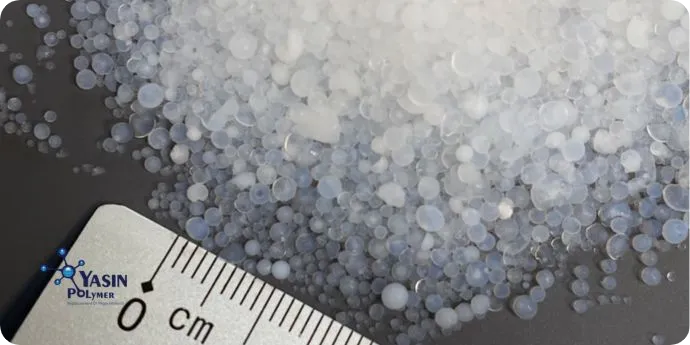
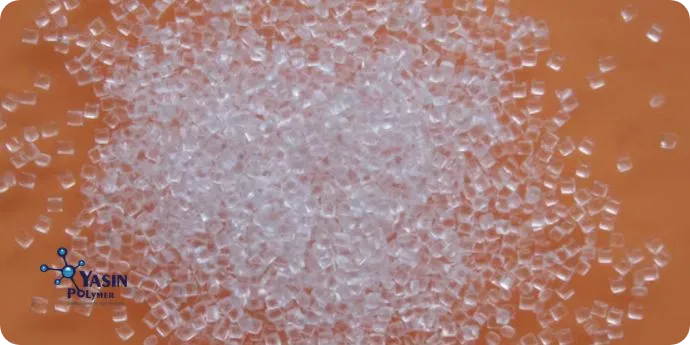
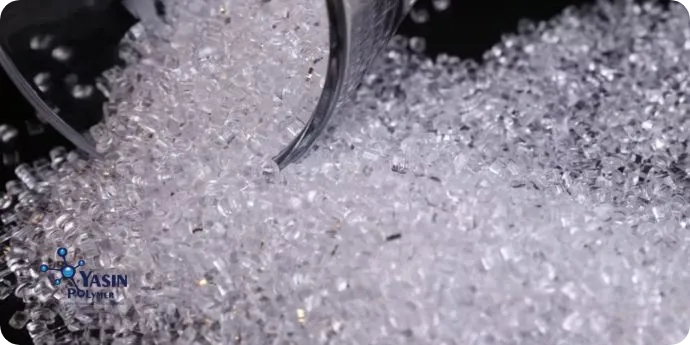
Note: We are not associated with EPS insulation products. Our company produces EPS Recycle Granules, made from recycled waste EPS foam. These granules are translucent, honey-colored, and are also known as Polystyrene Granules. They are not used as insulation material.
Key Insights
- Cost considerations: EPS is moderately priced, offering a balance between upfront cost and long-term energy savings. Fiberglass is cheaper but may require replacement sooner, especially in moist environments. Polyurethane provides superior insulation but at a higher initial investment.
- Thermal performance: Polyurethane has the highest R-value per inch, but EPS and Mineral Wool provide reliable, long-term thermal efficiency suitable for most sustainable projects.
- Durability and lifespan: EPS is moisture-resistant and maintains its insulation properties over decades, making it a dependable choice for both residential and commercial applications.
- Environmental impact: EPS is recyclable and has low embodied energy, making it preferable in eco-conscious projects. Mineral Wool and Fiberglass also have recyclable components, though production is more energy-intensive.
Choosing the Right Material
- EPS: Ideal for projects prioritizing energy efficiency, moisture resistance, and recyclability.
- Fiberglass: Suitable for budget-sensitive projects with dry conditions.
- Polyurethane: Best for high-performance insulation where maximum R-value and air sealing are required.
- Mineral Wool: Recommended for fire-resistant and acoustically insulated designs.
By evaluating these factors, architects and builders can select the most suitable insulation material to meet both sustainability goals and practical building needs.
Applications of EPS in Sustainable Architecture
Expanded Polystyrene (EPS) is a versatile material widely used in sustainable architecture due to its lightweight nature, excellent insulation properties, and adaptability in various construction applications. Its practical use spans multiple areas in modern buildings, enhancing both energy efficiency and cost-effectiveness.
Thermal Insulation in Walls, Floors, and Roofs
EPS is highly effective in reducing heat transfer, making it an ideal material for insulating walls, floors, and roofs. Its thermal performance helps maintain consistent indoor temperatures, reducing the need for active heating and cooling systems.
Benefits:
- Lower energy bills and reduced carbon footprint
- Improved indoor comfort
- Long-term durability with minimal maintenance
Real-world example: Residential passive houses in Germany utilize EPS insulation in walls and roofs to achieve nearly zero energy consumption.
Lightweight Cladding and Facades
EPS can be used as part of exterior cladding systems or façade panels, offering a lightweight alternative to traditional materials while still providing thermal insulation. Its flexibility allows for creative architectural designs without adding significant structural load.
Benefits:
- Easier installation and reduced labor costs
- Supports innovative design while maintaining sustainability
- Enhances building energy performance
Real-world example: The EcoTower in Singapore incorporates EPS-based façade panels for both aesthetics and thermal efficiency.
Prefabricated Construction Panels
EPS cores are widely used in Structural Insulated Panels (SIPs) and other prefabricated systems, combining insulation with structural support. These panels accelerate construction timelines and improve overall energy performance.
Benefits:
- Faster construction with fewer on-site adjustments
- Superior air-tightness and insulation
- Reduced material waste and environmental impact
Real-world example: Many net-zero energy buildings in North America rely on EPS SIPs for walls and roofing systems to achieve high energy efficiency.
Visual Aid Suggestion:
Including diagrams of EPS panel layers, wall insulation setups, and façade applications can help readers quickly understand how EPS is integrated into building systems. Simple illustrations showing EPS in walls, roofs, and cladding can significantly enhance comprehension.
By applying EPS in these practical ways, architects and builders can achieve energy-efficient, cost-effective, and environmentally responsible structures.
Environmental Impact and Sustainability of EPS
Expanded Polystyrene (EPS) plays a significant role in promoting sustainable architecture by combining energy efficiency, recyclability, and a relatively low environmental impact. Its integration into modern building practices supports long-term ecological and economic benefits.
- Contribution to Sustainable Architecture
EPS reduces overall energy demand in buildings by providing superior thermal insulation. Lower heating and cooling requirements directly translate to reduced greenhouse gas emissions, making it a valuable material for eco-conscious construction projects. - Recyclability
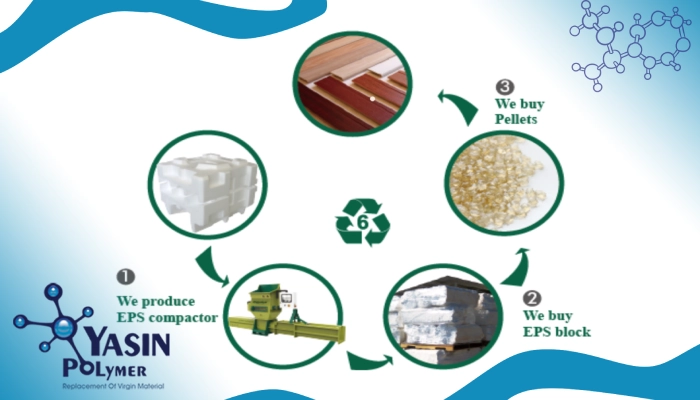
EPS can be recycled through mechanical processing, where it is ground into beads and reused in new construction products, such as insulation panels, concrete fillers, or decorative elements. Many construction projects incorporate post-consumer EPS, minimizing landfill waste and promoting circular material use. - Energy Efficiency
Buildings insulated with EPS maintain stable indoor temperatures, which reduces the need for HVAC systems. This energy efficiency not only lowers operational costs but also supports sustainable building certifications. - Carbon Footprint Comparison
Compared to alternative insulation materials like fiberglass, polyurethane, or mineral wool, EPS has a lower embodied energy per unit of insulation. Its lightweight nature also reduces transportation emissions and structural load, contributing to an overall smaller carbon footprint. - Life Cycle Assessment (LCA) Insights
LCAs of EPS demonstrate that its environmental impact is minimal over the building’s lifespan. Studies show that EPS can save multiple times the energy required for its production through its insulation performance over decades. - Support for Green Certifications
The use of EPS can contribute to achieving LEED, BREEAM, and other green building certifications. By enhancing thermal efficiency, reducing energy consumption, and enabling recyclable material use, EPS helps projects meet key sustainability criteria.
By considering these factors, EPS emerges as a highly sustainable material choice that balances performance, durability, and environmental responsibility in modern construction.
Performance Metrics: EPS in Action
Understanding the performance metrics of Expanded Polystyrene (EPS) is essential for architects, engineers, and builders aiming to maximize energy efficiency, durability, and occupant comfort. Below are the key indicators that define EPS performance in sustainable architecture.
- Thermal Resistance (R-value):
- Measures EPS’s ability to resist heat flow, expressed in R-value per inch.
- Higher R-values indicate better insulation, reducing heating and cooling demands.
- Example: Standard EPS boards provide an R-value of 3.6–4.2 per inch.
- Importance: Ensures energy-efficient building performance and compliance with green building standards.
- Moisture Resistance and Durability:
- EPS is highly resistant to water absorption, preventing mold growth and structural degradation.
- Durability is measured through long-term exposure tests to moisture, temperature cycles, and compression.
- Importance: Maintains insulation efficiency over decades, reducing maintenance costs and increasing lifespan.
- Acoustic Insulation Properties:
- EPS panels provide sound attenuation by absorbing and dampening airborne noise.
- Measured using Sound Transmission Class (STC) ratings in laboratory and real-world conditions.
- Importance: Enhances indoor comfort, especially in residential, educational, and commercial buildings.
Performance Benchmarks (Example Table):
| Metric | Typical EPS Performance | Measurement Method |
| Thermal Resistance (R-value) | 3.6–4.2 per inch | Heat flow tests per ASTM C518 |
| Moisture Resistance | <1% water absorption | ASTM D2842 water soak test |
| Acoustic Insulation | STC 35–45 | ASTM E90 laboratory tests |
By evaluating these performance metrics, builders can select the right EPS products for walls, floors, roofs, and prefabricated panels, ensuring optimized energy efficiency, durability, and occupant comfort.
Challenges and Limitations of EPS in Architecture
While Expanded Polystyrene (EPS) offers numerous benefits in sustainable construction, it is important to be aware of its potential challenges and implement best practices to mitigate them.
- Fire Safety:
- EPS is combustible and can contribute to fire spread if not properly protected.
- Mitigation: Use fire-retardant additives, protective cladding, or intumescent coatings. Follow building codes for insulation materials and ensure proper separation from open flames.
- UV Degradation:
- Prolonged exposure to sunlight can cause EPS to degrade, reducing structural integrity and insulation performance.
- Mitigation: Cover EPS panels with UV-resistant facades, paints, or sealants. Ensure external EPS components are shielded from direct sunlight whenever possible.
- Structural Limitations:
- EPS is lightweight and provides insulation, but it has limited load-bearing capacity.
- Mitigation: Use EPS primarily for insulation or as a core material in Structural Insulated Panels (SIPs), combining it with stronger external layers. Avoid using EPS as the main structural element in high-load applications.
Best Practices Summary:
- Integrate EPS with complementary materials to enhance safety and structural performance.
- Follow local building regulations and industry standards for fire and UV protection.
- Select the appropriate EPS type based on specific project needs and performance requirements.
By understanding these limitations and implementing proper safeguards, EPS can be used effectively and safely in sustainable architecture, maintaining both energy efficiency and long-term durability.
Conclusion
Expanded Polystyrene (EPS) has proven itself as a cornerstone material in sustainable architecture, offering the ideal balance between energy efficiency, versatility, and environmental responsibility. Its high insulation value, lightweight structure, and recyclability make it a reliable choice for reducing energy consumption and carbon emissions in modern construction.
EPS continues to evolve through innovations such as fire-retardant formulations, recycled-content products, and bio-based alternatives, further enhancing its role in green building design. As more architects and builders adopt circular construction principles, EPS stands out as a material that not only supports performance and cost-efficiency but also aligns with the global shift toward sustainable, low-impact development.
By integrating EPS into energy-efficient designs, the construction industry can move one step closer to achieving net-zero energy goals and a more sustainable built environment.
FAQ
- Why is EPS considered a sustainable material for construction?
EPS provides excellent thermal insulation, reducing the need for heating and cooling. It is recyclable, lightweight, and has low embodied energy, making it a sustainable choice for energy-efficient building design. - Can EPS be used safely in buildings considering its flammability?
Yes. When fire-retardant additives are used and EPS is properly encased or protected within wall systems or cladding, it meets international safety standards. Compliance with local building codes ensures safe application. - How does EPS compare to materials like Fiberglass or Mineral Wool?
EPS offers a better balance between cost, insulation efficiency, and moisture resistance. While Fiberglass is cheaper and Mineral Wool is more fire-resistant, EPS generally provides superior long-term energy performance and recyclability. - What is the future outlook for EPS in sustainable architecture?
The future of EPS lies in innovation and circularity—including bio-based formulations, recycled EPS products, and modular prefabricated systems. These advancements are making EPS even more compatible with next-generation green building practices.